

Maddy summaryHB 1298 prohibits publishing a judicial or law enforcement officer's home address, date of birth, or social security number online without their consent if done with the intent to cause fear for the officer's safety or their immediate family's safety. The law applies only to electronic publications and targets individuals who share such sensitive personal information under these specific conditions. Violating this prohibition is classified as a Class 6 felony. The bill directly protects officers by restricting the online dissemination of their personal details that could enable threats or harassment.

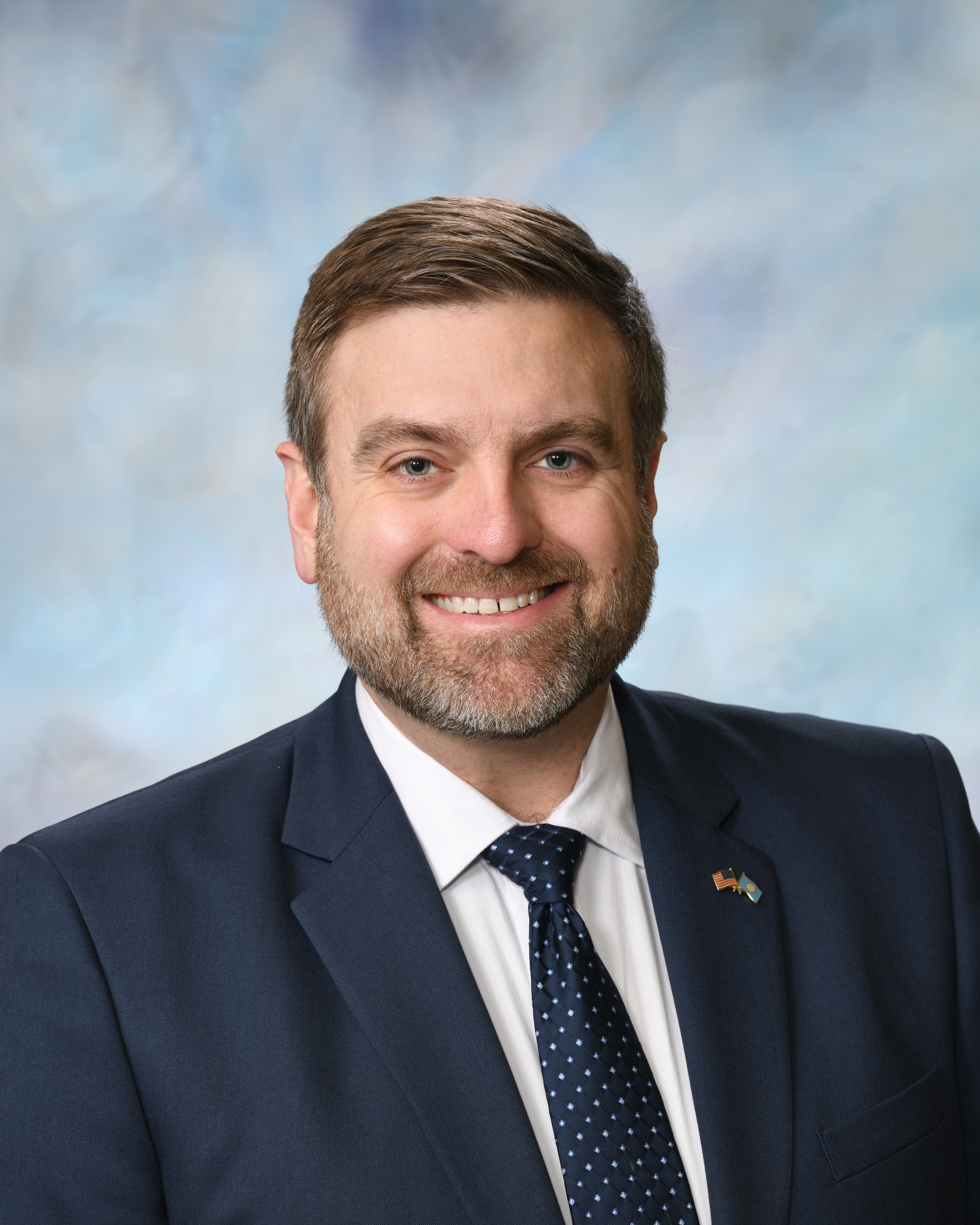
Rep. Matt Roby
Sponsored bills
Maddy summaryHB 1262 appropriates $2 million from the general fund to construct a juvenile corrections center in Brown County, including necessary infrastructure like utilities and equipment. The bill directs the Department of Corrections to manage the project, with the Bureau of Human Resources overseeing design and construction. It declares an emergency to expedite funding, requiring immediate use of the allocated funds for the facility's completion. The bill does not affect specific individuals but directly provides resources for a state-run juvenile corrections facility in Brown County.
Maddy summarySouth Dakota Senate Bill 137 creates a legal process to quickly dismiss lawsuits that target free speech on public issues. It allows people sued for protected expression - like criticizing government actions or speaking on matters of public concern - to file a special motion asking a court to dismiss the case within 60 days. If filed, the court must pause all other legal proceedings related to the lawsuit until the motion is decided, with limited discovery allowed only for specific evidence. The bill does not apply to lawsuits by or against government entities enforcing public safety laws or to routine commercial disputes.
Maddy summaryHB 1200 appropriates $8 million from South Dakota's general fund to the Department of Public Safety for grants to nonprofit organizations providing specific victim services. It directly supports nonprofits focused on helping children abused or neglected, domestic violence victims, sexual assault victims, or victims of commercial sexual exploitation/trafficking. The bill allows grant funds to cover 24/7 emergency services, counseling, crisis lines, case management, sexual assault nurse examiner training, and child advocacy center services - excluding new programs or legal aid. Nonprofits must apply annually between July 1 and August 31, report on services delivered, and prioritize organizations seeking additional funding. The appropriation becomes effective June 30, 2026.
Maddy summaryHB 1108 allows courts to immediately seal court files when protection order petitions are dismissed, either initially or after a hearing. This applies directly to individuals whose protection order cases (covered under South Dakota statutes §22-19A-8 and §25-10-3) are dismissed by a judge. The key provision requires courts to grant sealing of the entire court file upon dismissal, rather than requiring additional steps or waiting periods. This change provides a streamlined process for removing sensitive court records from public view in dismissed cases. The bill affects anyone involved in a dismissed protection order case, focusing on expediting privacy protections.
Maddy summaryHB 1140 allows South Dakota courts to require defendants on probation or parole to complete treatment at nonprofit organizations that have received state grants for "alternative care programs," specifically for individuals convicted of repeat DUI/DWI offenses. The bill adds this option as a condition of probation (under § 23A-27-18.3), requiring the defendant’s consent, program availability, and pre-sentencing application approval. It directly affects individuals convicted of third or fourth DUI/DWI offenses who are on probation or parole, offering an alternative to jail time through treatment. The law modifies driver’s license revocation rules (§ 32-23-4 and 32-23-4.6), allowing courts to permit limited driving (e.g., for work or treatment) upon successful completion of such programs. This creates a concrete pathway for court-mandated treatment instead of incarceration for eligible offenders.
Maddy summaryHB 1183 revises South Dakota's law granting immunity from prosecution for drug possession charges after an overdose. It directly affects individuals experiencing a drug-related overdose who contact emergency services for medical help. The key change specifies that immunity only applies if the evidence used for any charges stems from the overdose event itself and the need for medical assistance. This clarifies eligibility for the existing immunity provision, requiring that the evidence leading to prosecution originated during the overdose situation. The bill does not expand immunity but refines the conditions under which it applies.
Maddy summaryHB 1244 repeals South Dakota’s special donations fund (created under § 13-66-3) and appropriates $500,000 from the general fund to the Department of Education. This grant supports the Jobs for America's Graduates-South Dakota program by providing financial assistance to school districts and accredited nonpublic schools implementing the initiative. The funds must match private donations or federal grants for program operations and cannot be added to an endowment. It directly affects schools participating in the JAG program and transfers existing funds from the repealed special donations fund into the general fund. The bill takes effect June 30, 2026.
Maddy summaryHB 1215 allows South Dakota counties and municipalities to issue licenses for cigar bars, directly affecting business owners seeking to operate such establishments and local governments responsible for licensing. The bill requires cigar bars to have a humidor, be fully enclosed with proper ventilation, generate at least 10% of income from cigar sales, and prohibit all tobacco products except cigars. Local governments must hold public hearings for applications and report annual cigar sales income to the Department of Revenue, while also posting clear smoking restrictions. The law explicitly excludes these venues from other liquor license limits and prohibits transferring licenses to new owners.
Maddy summarySB 130 appropriates $8 million from South Dakota's general fund to the South Dakota Ellsworth Development Authority. The funds must cover public roadway and infrastructure improvements directly needed due to construction at Ellsworth Air Force Base, including road reconstruction, safety upgrades, and traffic studies. The authority must report annually on how funds were used and cannot spend more than 3% of the appropriation on administrative costs. This bill specifically affects infrastructure supporting Ellsworth Air Force Base operations and surrounding public roads.