

Maddy summaryHB 1066 revises South Dakota's theft statute to clarify that contractors, subcontractors, or suppliers do not commit theft by withholding payment proceeds until work is completed and approved. The bill amends Section 44-9-13 to explicitly state that holding funds pending final work approval is not a violation of the theft law. This directly affects construction industry professionals who handle project payments and must pay for labor or materials before using funds. The key change removes ambiguity about when withholding payment constitutes theft, specifically excluding legitimate holds for completed work. The amendment maintains existing penalties for actual theft but clarifies the legal boundary for payment management.

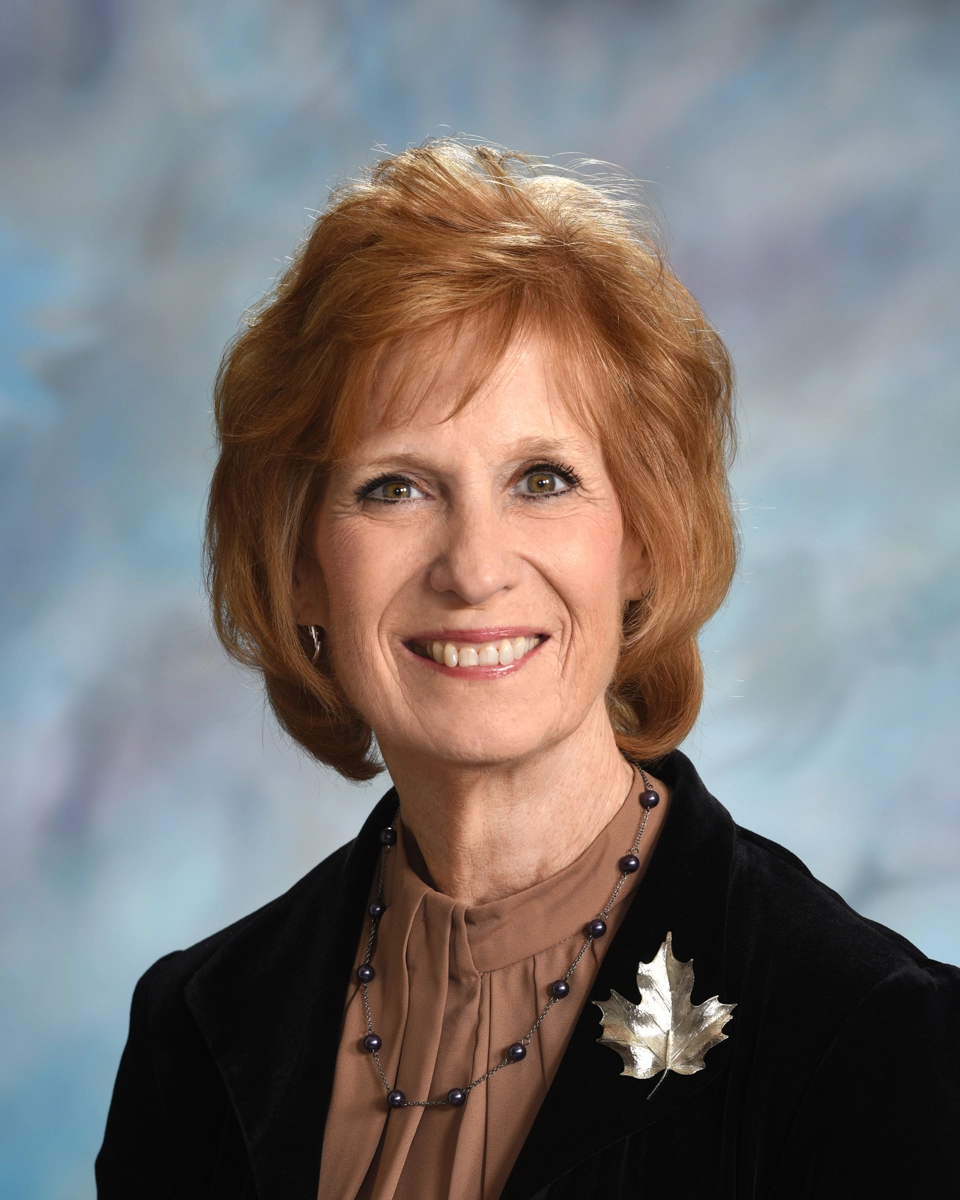
Rep. Trish Ladner
Sponsored bills
Maddy summarySB 131 clarifies the timing for nonprofit-hosted pheasant hunts benefiting disabled veterans and Purple Heart recipients. It revises the law to specify these hunts may occur "before or during the regular pheasant season" (removing confusing prior language about the "private shooting preserve season"). The bill directly affects nonprofit organizations hosting these events and the disabled veterans/Purple Heart recipients participating. Key provisions maintain that no fees may be charged to participants and require the Game, Fish and Parks Commission to create rules for administering these hunts. The bill does not change eligibility criteria for participants or alter the no-fee requirement.
Maddy summarySB 132 amends South Dakota law (§ 1-46A-5) to clarify the composition and consultation process of the South Dakota Veterans Council. The bill specifies that the Council must include one representative each from eight designated veterans organizations, such as the American Legion, Disabled American Veterans, and Veterans of Foreign Wars, plus a representative from Vietnam Veterans of America chapters 1054 and 959. It requires the Department of Veterans Affairs to consult with the Council quarterly on veteran-related matters and mandates the Council provide recommendations on budgets, legislation, policies, and programs affecting veterans and their dependents. This bill directly affects the Council's membership structure and its formal role in advising state veterans' affairs.
Maddy summaryHB 1161 defines "female" and "male" based on biological reproductive systems and requires state-owned or leased facilities (like schools, government buildings, and public spaces) to designate multi-occupancy changing rooms, restrooms, and sleeping quarters for exclusive use by males or females. The bill specifies that exceptions apply for children under 10 with parents, individuals assisting those with disabilities, emergency personnel, and certain maintenance staff. It also clarifies that gender-specific designations do not apply to rooms used by firefighters, law enforcement, or performers in their professional capacity. The law directly affects public facilities operated by the state or its subdivisions.
Maddy summaryHB 1200 appropriates $8 million from South Dakota's general fund to the Department of Public Safety for grants to nonprofit organizations providing specific victim services. It directly supports nonprofits focused on helping children abused or neglected, domestic violence victims, sexual assault victims, or victims of commercial sexual exploitation/trafficking. The bill allows grant funds to cover 24/7 emergency services, counseling, crisis lines, case management, sexual assault nurse examiner training, and child advocacy center services - excluding new programs or legal aid. Nonprofits must apply annually between July 1 and August 31, report on services delivered, and prioritize organizations seeking additional funding. The appropriation becomes effective June 30, 2026.
Maddy summaryHB 1184 defines "female" in South Dakota law as "an individual who naturally has, had, will have, or would have, but for a congenital anomaly or intentional or unintentional disruption, the reproductive system that produces, transports, and utilizes eggs for fertilization." This definition applies to all state laws, regulations, and programs. The bill prohibits state funding for any program, service, or policy that contradicts this definition of "female." It directly affects state agencies, healthcare providers, schools, and any entity receiving state funds that use gender-related terms.
Maddy summaryHB 1092 updates South Dakota's open records law by clarifying which government records can be kept private. It exempts specific categories, including student personal information (except directory details), medical records (excluding birth/death records), trade secrets, attorney work product, law enforcement investigation details, property appraisal records, and security plans for buildings or critical infrastructure. The bill explicitly states it does not change existing laws regarding birth/death records or certain law enforcement privileges. This affects public entities like schools, hospitals, police departments, and government agencies that handle these exempt records.
Maddy summarySB 36 requires electric utilities and wholesale electricity generators in South Dakota to develop and submit wildfire mitigation plans to either the Public Utilities Commission or their local governing body (like a city council). These plans must include specific strategies for risk assessment, infrastructure inspections, vegetation management, and community outreach to reduce wildfire risks. Utilities must also submit annual compliance reports by April 1st each year, with filing fees of $500 for initial plans and $250 for reports. The bill establishes a standardized process for these plans and reports but does not specify liability protections beyond the plan requirements.
Maddy summaryThis bill reduces property taxes for homeowners by lowering the mill levy rate on owner-occupied single-family homes from $5.21 to $20.51 per $1,000 of taxable value (with the exact figure clarified in the bill text). It simultaneously raises the state sales tax from 4.2% to 4.7% for 2026-2027 and to 5% after 2027, and expands the gross receipts tax to cover more services like dry cleaning, beauty shops, and rentals. The revenue from these tax increases is explicitly allocated to replace lost school district property tax revenue and fund pay raises for state and school employees. The bill ensures school districts maintain their total funding levels under the new system.
Maddy summaryHB 1113 establishes a downpayment assistance program for manufactured or mobile home buyers in South Dakota. The program provides zero-interest loans of up to $10,000 per applicant from a $5 million revolving fund in the South Dakota housing infrastructure fund. Eligibility requires household income below 120% of the state median income and purchasing a home meeting federal safety standards and local zoning requirements for single-family residences. Repayments return to the fund to support new loans, with loans secured by a second lien due upon home sale or repayment of the primary mortgage. This directly assists low-to-moderate income residents seeking to purchase qualifying manufactured or mobile homes.