GUARD Act
What changed between versions
Section 3(a) now allows 'State, local, and Tribal law enforcement agencies and grantees' to use eligible Federal grant funds for investigating financial fraud, expanding beyond just law enforcement agencies to include other grantees.
The definition of elder financial fraud was reworded from 'an elderly or adult with a disability's money' to 'the money, property, or other resources of an elderly individual or adult with a disability,' clarifying that the definition explicitly covers both elderly individuals and adults with disabilities.
The definition of general financial fraud was restructured into a list format and changed 'to deceive others' to 'to deceive an individual,' slightly narrowing the scope.
The eligible Federal grant funds definition was revised to add statutory citations for each program, merged the IoT National Training and Technical Assistance Program into the main DOJ training program item, and added a qualifier that VAWA cybercrime grants must go 'to a local law enforcement agency.'
Section 4 (report on efforts) was simplified from a joint multi-agency report to one led by Treasury acting through FinCEN, with the focus narrowed to evaluating efficacy and making legislative recommendations.
Section 5 (state of scams report) was drastically simplified: it now requires a biennial report based on FinCEN data (Bank Secrecy Act reports), analyzing trends, typologies, digital assets, and Rapid Response Program activities. It removed the original's detailed requirements for estimating numbers of scams, dollar losses, percentages attributed to overseas actors or organized crime, synthetic identity estimates, multi-agency funding breakdowns (CFPB, DOJ, FBI, FCC, Fed, FTC, FinCEN, SEC, SSA), and public comment solicitation.
The state of scams report in Section 5 is now required every two years ('two years thereafter'), making it a recurring obligation rather than a one-time report.
Section 6 now requires the annual report to also be sent to the Senate Judiciary Committee and the House Judiciary Committee, in addition to the Banking and Financial Services Committees.
How they voted
Actions timeline
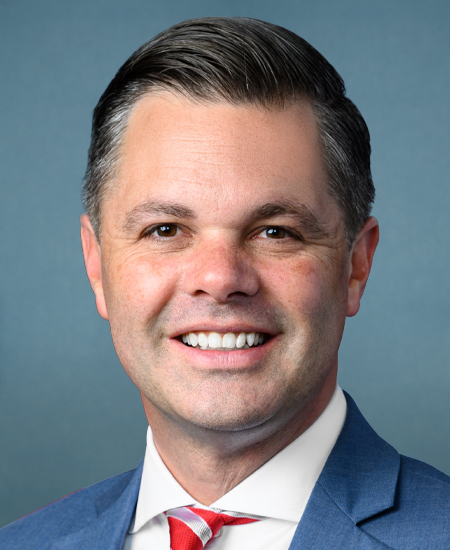
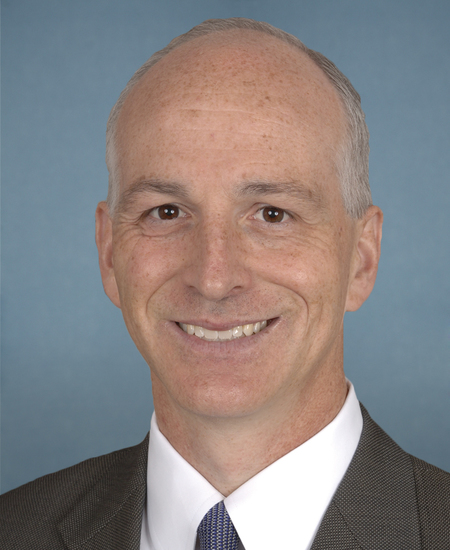
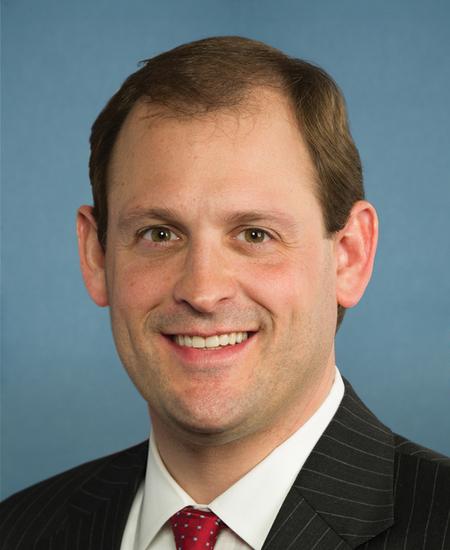
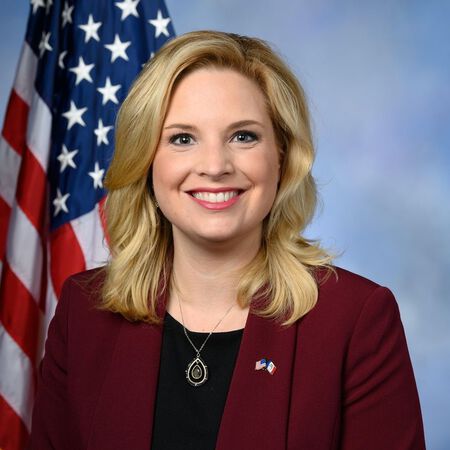
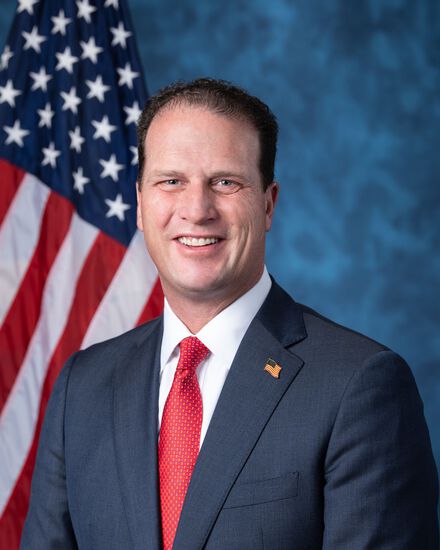
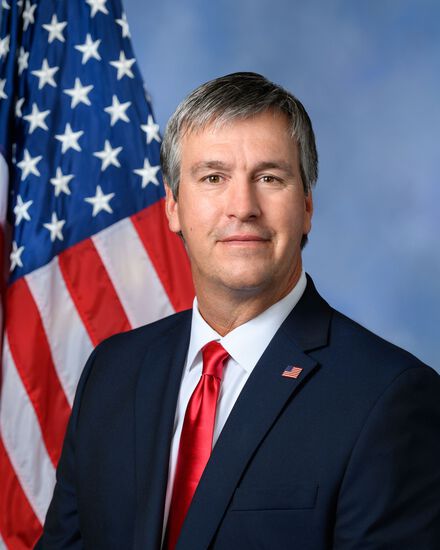
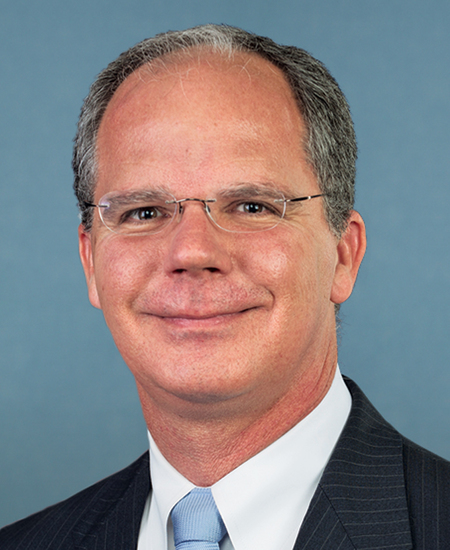
Sponsors