Support for Patients and Communities Reauthorization Act
What changed between versions
New Section 304 makes permanent the Medicaid State Plan Amendment option allowing states to cover substance use disorder treatment in institutions for mental diseases (IMDs), removing the prior 2019-2023 sunset. It adds requirements for evidence-based placement criteria, utilization management, a compliance review process, and a one-time assessment of treatment availability, with additional requirements effective October 1, 2025.
New Section 105 reauthorizes the youth prevention and recovery program (SUPPORT Act section 7102(c)(9)) for FY2024-2028.
Section 301 makes the Medicaid requirement for medication-assisted treatment coverage permanent by removing the September 30, 2025 end date, and changes state certification from a one-time pre-period requirement to a recurring requirement at least every 5 years.
Opioid overdose reversal agent provisions (Section 118) were narrowed: the term changed from 'agent' to 'drug,' scope limited to drugs approved under section 505 of the FD&C Act for emergency treatment of known or suspected opioid overdose, and the update deadline changed from end of calendar year 2023 to one year after enactment.
New Section 305 expands the prohibition on Medicaid enrollment termination due to incarceration from only eligible juveniles to all individuals and women during pregnancy (plus 60 days postpartum). The same expansion is applied to CHIP. Effective January 1, 2025.
New Section 205 expands the list of organizations whose continuing education qualifies for the controlled substance prescriber training requirement, adding podiatric medicine, pharmacy, optometry, dentistry, psychiatric nursing, nursing, and family medicine accrediting bodies.
Section 303 expands antipsychotic medication monitoring from children only to include adults over 18, individuals receiving home and community-based services, and individuals in institutional care settings (nursing facilities, ICFs), effective 24 months after enactment.
New Section 101 authorizes $4.25 million per year (FY2024-2028) for prenatal and postnatal health activities under PHS Act section 317L(d).
Overdose prevention grant funding (Section 103) increased from $496 million to $505.579 million per year for FY2024-2028, and a new subsection authorizes use of funds for wastewater surveillance to identify controlled substance use trends.
Treatment, recovery, and workforce support grants (Section 116) increased from $5 million to $12 million per year. Transportation services added as an allowable use capped at 5 percent of funds, with a new restriction that no other uses are authorized.
A new Title IV (Offsets) was added with Section 401 on promoting value in Medicaid managed care, indicating the bill now includes budget offset provisions.
The definition of 'other concurrent substance use disorders' (Section 119) was narrowed from a broad category including polydrug use to specifically alcohol use disorders co-occurring with opioid or stimulant misuse as a primary disorder.
Xylazine provisions (Section 203) were significantly revised: animal drug exclusions were simplified and narrowed, ARCOS tracking was added for xylazine, the second congressional report deadline was moved from 4 years to 3 years after enactment, and new provisions require consultation with non-Federal experts and access to official data.
The trauma-informed practices task force (Section 115) now has a specific sunset date of September 30, 2026, rather than the prior indefinite continuation.
How they voted
Actions timeline
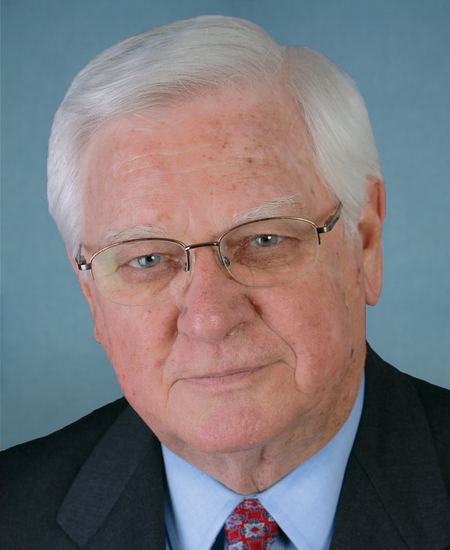
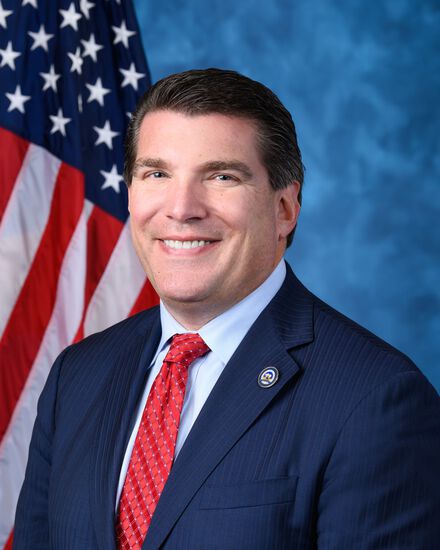
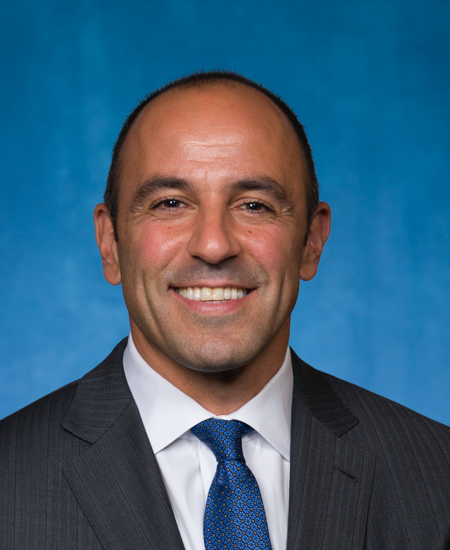
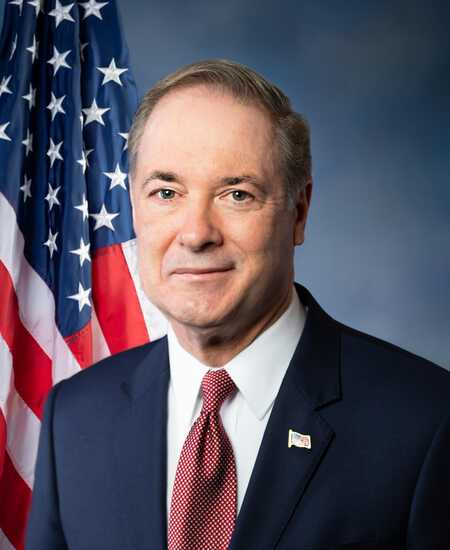
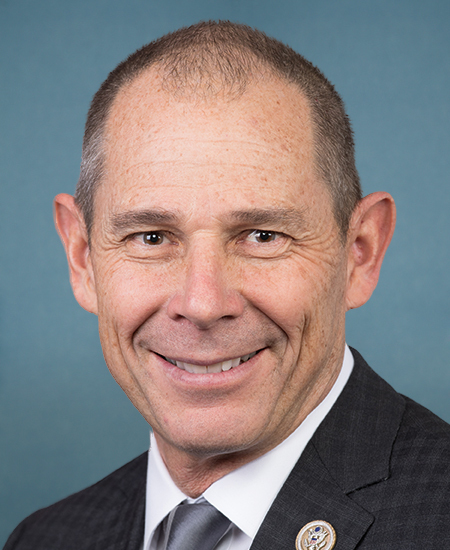
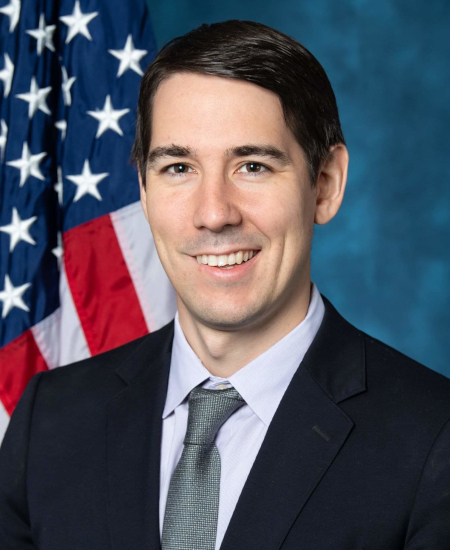
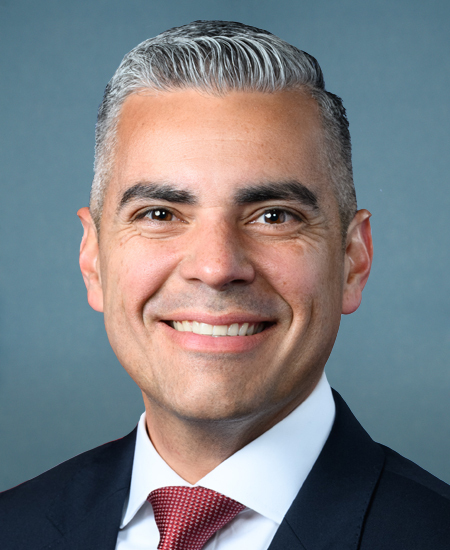
Sponsors