A Stronger Workforce for America Act
What changed between versions
The term 'out-of-school youth' is replaced with 'opportunity youth' throughout the bill, broadening the conceptual framing of the target population.
The term 'Offender' is renamed to 'Justice-involved individual' in definitions and a new category of 'Justice-involved individuals' is added as a type of individual with barriers to employment under WIOA section 3(24)(F).
New definitions are added for co-enrollment, digital literacy skills, evidence-based (with a tiered standard based on experimental, quasi-experimental, or correlational study evidence), labor organization, and work-based learning. All existing definitions are reordered alphabetically.
Local plans are changed from mandatory ('shall prepare') to optional ('may prepare'), giving local areas discretion on whether to develop a separate local plan.
States must now describe in their State plans how they will use real-time labor market information to assess economic conditions, and must describe activities to expand economic opportunity including skills-based initiatives (promoting demonstrated skills as an alternative to degree requirements) and evaluation of occupational licensing policies for streamlining and reciprocity.
The standard for activities is changed from 'proven' to 'evidence-based' throughout local board functions and performance provisions, aligning with the new formal definition of 'evidence-based' added to WIOA section 3.
State plan modifications under subsection (c)(3) are changed from 'shall' to 'may' for certain requirements, and an exception is added so that communicating changes in economic conditions and workforce trends is not considered a modification subject to federal approval.
Performance measurement for unsubsidized employment is shifted from the fourth quarter after exit to the second quarter after exit, with an additional requirement that participants remain in employment during the fourth quarter. This makes it easier to demonstrate successful employment outcomes.
The credential attainment indicator is changed from measuring completions 'during a program year' to measuring those who completed credentials 'within 6 months after the quarter in which the participant enters into the education and training program,' providing a longer window for credential completion.
The performance level identification process is revised so that the Secretaries 'propose to the State' expected levels of performance (rather than simply proposing them), and the list of predictive factors is expanded from including only 'ex-offolder status' to including 'justice-involved individual status, foster care status, school status, education level, highest grade level completed, low-income status.'
A new section (111) is added requiring States to review workforce development regions before the second full program year, with a continuation period maintaining existing local area designations until the end of the third full program year, followed by an initial alignment review and subsequent reviews every 8 years.
Rapid response activities are expanded to include identifying employees who work off-site or remotely, referencing individual training accounts under ACWIA, and new layoff aversion strategies such as connecting employers to short-term compensation programs, conducting skill assessments, establishing incumbent worker upskilling, facilitating business support, and partnering with business-focused organizations.
A new regional consortiums provision allows local boards and chief elected officials in a planning region to agree to receive funding as a single consortium, with one chief elected official responsible for designating the fiscal agent.
Pay-for-performance contract bonus payments may now be used to expand capacity for 'effective services and training' rather than just 'effective training,' broadening the scope of what bonuses can fund.
Veteran priority language is changed from 'prioritize covered veterans as described in section 4212(a)(2)' to 'give priority to covered persons in accordance with section 4215' of title 38, potentially broadening the class of individuals receiving priority.
How they voted
Actions timeline
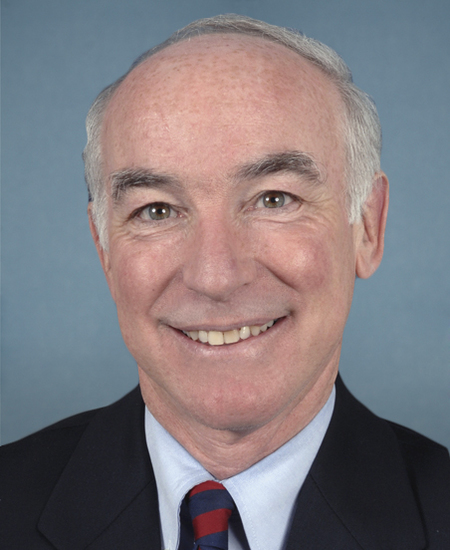
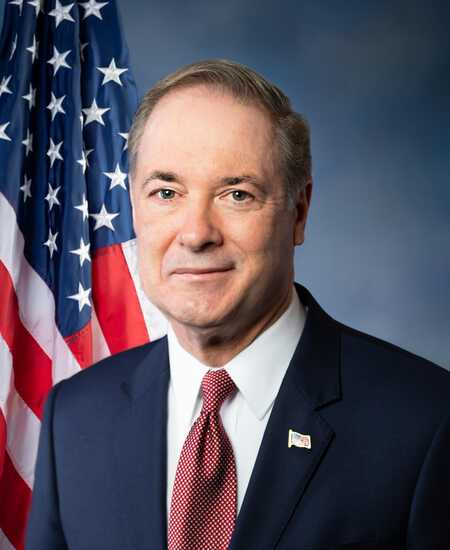
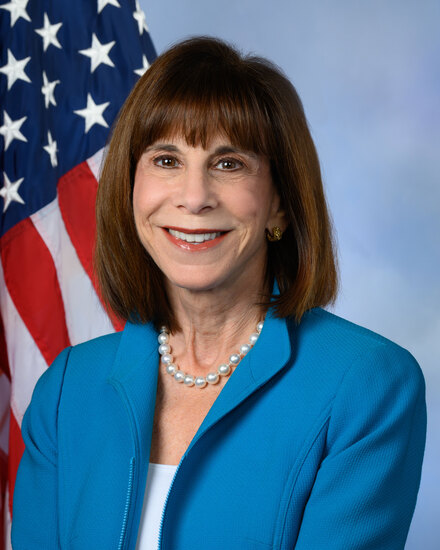
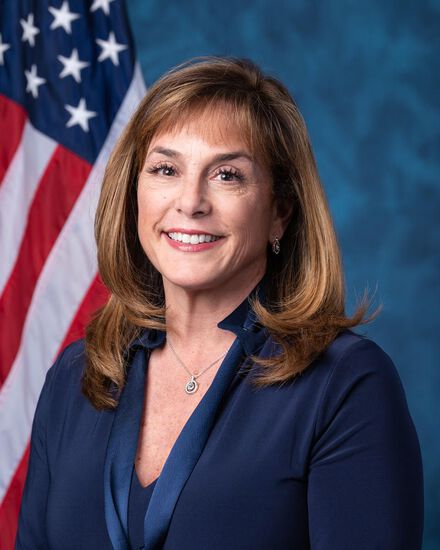
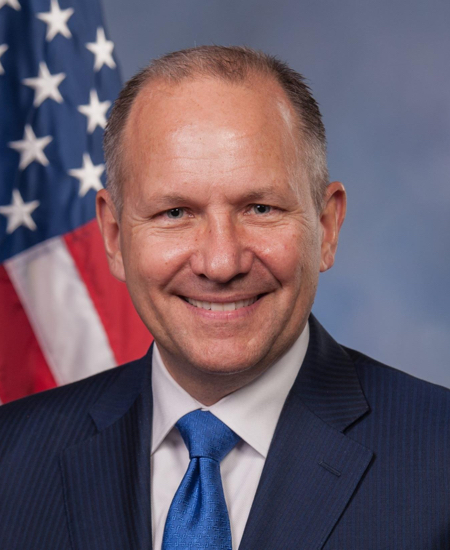
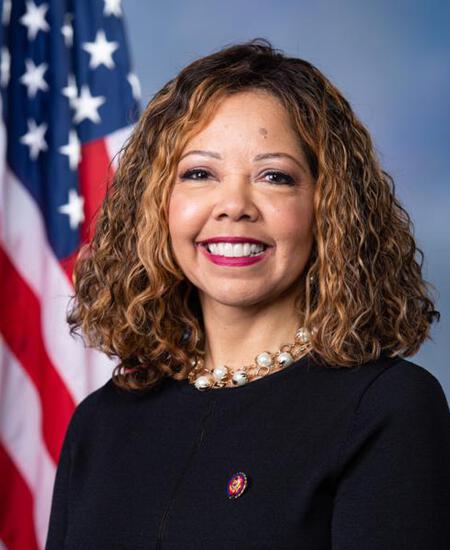
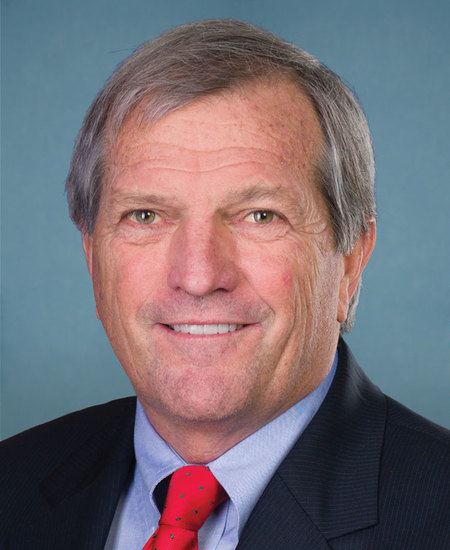
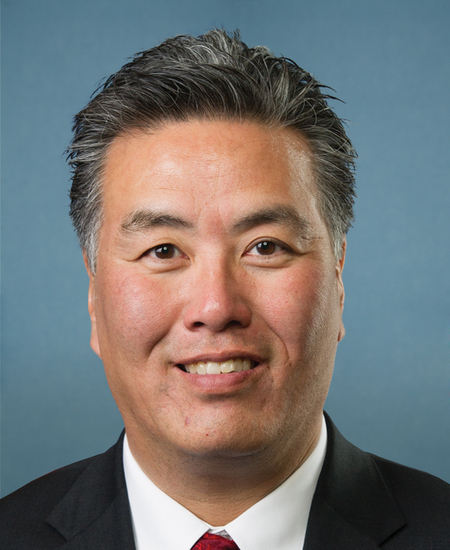
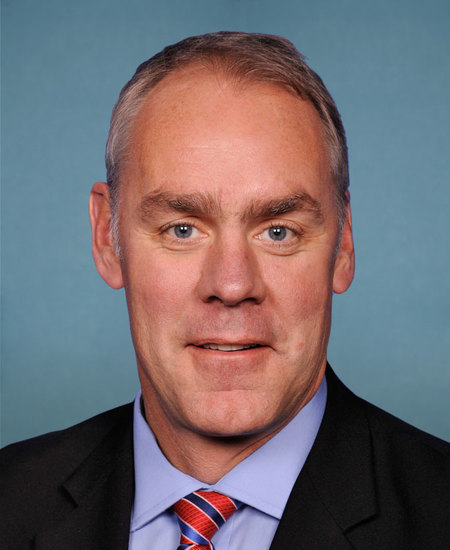
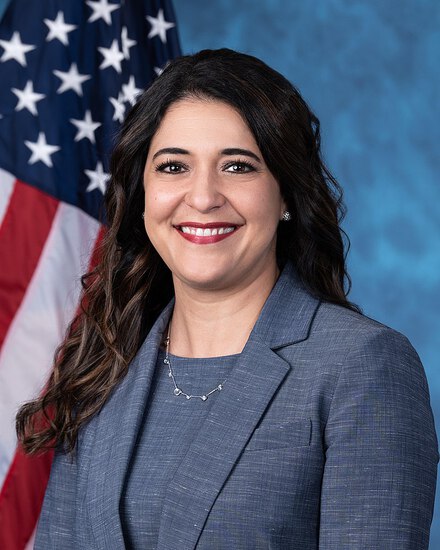
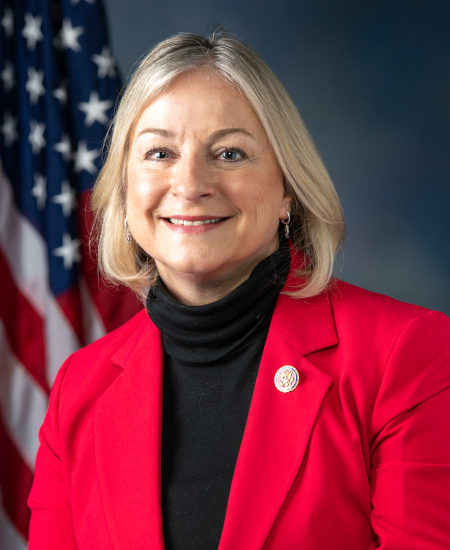
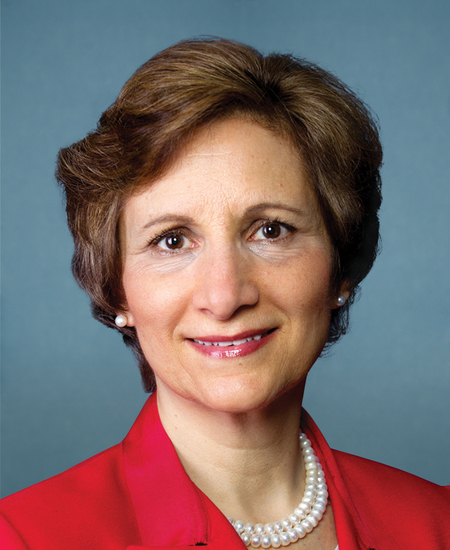
Sponsors