

An Act amending the act of April 9, 1929 (P.L.177, No.175), known as The Administrative Code of 1929, in powers and duties in general, providing for certain text-based communications prohibited.
This bill prohibits Pennsylvania state agencies from using text messages to collect unpaid fines, fees, or tolls or to notify individuals about such charges. It defines a text-based communication as any written message sent on a mobile device, explicitly excluding standard email. The law applies to all Commonwealth agencies as currently defined by state statute and will become effective 60 days after passage.
Bill status
passed
3 of 5 stages cleared
Introduction
May 2026
Committee Review
Jun 2026
House Passage
Jun 2026
Senate Passage
Governor
Introduced May 28, 2026
Last action Jun 25, 2026
Maddy AI version diff · 2 comparisons
What changed between versions
Printer's No. PN3556
→
Printer's No. PN3653
·
3 edits
MINOR
This bill update refines the formatting of a prohibition against government agencies using text messages for unpaid fines, removing unnecessary capitalization and clarifying the exemption for free information services. It also adds a comprehensive new definition for 'interactive mobile device' to ensure the law covers modern technology like smartphones and tablets. Additionally, the bill's procedural status was updated to reflect its second consideration by the House of Representatives.
Scope change
The scope of the bill remains focused on restricting text-based communications for debt collection by Commonwealth agencies, but the definition of covered devices is expanded to include modern mobile technologies.
REQUIREMENT
Removed all-caps formatting from the main prohibition text and slightly rephrased the sentence to improve readability while maintaining the same legal meaning.
DEFINITION
Added a detailed definition for 'interactive mobile device' that explicitly lists smartphones, tablets, and similar devices capable of internet access and communication.
TECHNICAL
Updated the bill header and committee reporting information to reflect the new printer's number and the bill's status after second consideration in the House.
Floor votes · House Jun 22, 2026
How they voted
201–0
Passed
Total votes 201
Jun 22, 2026
D
Democratic102
100% Yea
R
Republican99
100% Yea
Vote distribution
All Yea
All Nay
Mixed
No data
Full legislative history
Actions timeline
Total actions
11
Key actions
5
Committee
6
Amendments
1
Jun 25, 2026
Committee
Referred to Communications & Technology
upper
Jun 23, 2026
Lower · Passed
Third consideration and final passage
lower
Jun 23, 2026
Lower · Passed
Re-reported as committed
lower
Jun 22, 2026
House · Passed
House Vote: pass (201-0)
house
Jun 22, 2026
Committee
Re-committed to Appropriations
lower
Jun 22, 2026
Lower · Passed
Re-reported as committed
lower
Jun 9, 2026
Committee
Re-committed to Rules
lower
Jun 9, 2026
Lower · Passed
Reported as amended
lower
May 28, 2026
Committee
Referred to Consumer Protection, Technology & Utilities
lower
1 primary · 27 co-sponsors
Sponsors
Role
Legislator
Party
State
District
P

Mary Isaacson
DDemocratic
Co

Andrew Kuzma
RRepublican
Co
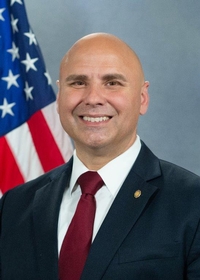
Bob Merski
DDemocratic
Co

Carol Hill-Evans
DDemocratic
Co

Dan Williams
DDemocratic
Co

Darisha Parker
DDemocratic
Co

Ed Neilson
DDemocratic
Co

Emily Kinkead
DDemocratic
Co

Gina Curry
DDemocratic
Co

Izzy Smith-Wade-El
DDemocratic
Co

Jeanne McNeill
DDemocratic
















Ask Maddy
·
AI policy assistant
Ask Maddy about HB 2551
Scope: PA
Hi! I can help you understand HB 2551. What would you like to know?
Try one of these
i
Maddy answers using official bill text and legislative records. Always verify before sharing.
Sources cited inline