

Maddy summaryThis House resolution marks the 25th anniversary of the September 11, 2001 terrorist attacks by formally honoring the memory of the nearly 3,000 victims and recognizing the sacrifices made by first responders, military personnel, and the passengers of United Airlines Flight 93. The bill acknowledges the ongoing health challenges faced by survivors and responders, highlighting the role of the World Trade Center Health Program in providing long-term medical support. It also credits charitable organizations and community groups that have continued to assist victims' families and veterans over the past two decades. Finally, the resolution urges the American public to observe the anniversary with ceremonies and reaffirms Congress's commitment to remembering the events and lessons of that day.
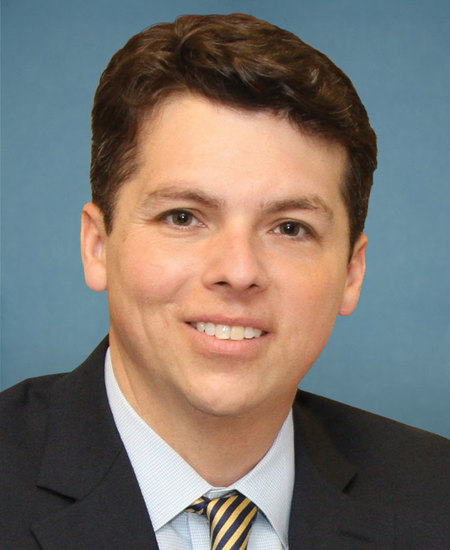
Rep. Brendan F. Boyle
Sponsored bills
Maddy summaryThe Back-to-School Supplies Affordability Act would prevent new tariffs from being applied to specific school supplies and educational materials, effectively freezing their import duties at levels recorded on January 19, 2025. This measure directly affects students, families, teachers, schools, and local governments by aiming to keep the cost of items like notebooks, backpacks, pencils, and keyboards stable. The bill designates certain products for duty exemption based on specific trade classifications or through regulations issued by the Secretary of Commerce in coordination with the Secretary of Education. Additionally, it requires the Secretary of Commerce to report every 180 days to congressional committees on which items are exempt, while allowing Congress to disapprove specific item designations through a joint resolution.
This bill designates the facility of the United States Postal Service located at 6 Pennsylvania Avenue in Matamoras, Pennsylvania, as the "PFC Edward Kuhn Memorial Post Office".
Maddy summaryThe Nitrous Oxide Safety Act of 2026 would classify consumer products containing nitrous oxide as banned hazardous items under federal law, except for specific exceptions. The bill prohibits the sale of nitrous oxide products for recreational use while allowing continued sales for medical and dental treatments, food production in commercial kitchens, research and development activities, and food propellant applications. This legislation directly affects manufacturers, retailers, and consumers by restricting access to nitrous oxide in consumer products after 180 days from enactment. The law defines nitrous oxide as the gas known as laughing gas or whippits and specifies which entities and activities are exempt from the ban.
Maddy summaryThe American Mariner Tax Fairness Act amends the Internal Revenue Code to allow U.S. merchant mariners working on qualifying vessels in foreign trade to treat their earnings as foreign earned income for tax purposes. This change directly affects U.S. citizens or residents who are actively employed on large, U.S.-flagged ships of at least 6,000 deadweight tons used exclusively in international commerce. To qualify, a mariner must work at least 90 full days during any 12-consecutive-month period while the vessel is engaged in U.S. foreign trade. The bill effectively grants these workers the same tax exclusion benefits currently available to individuals working abroad, applying to taxable years beginning after the law's enactment.
Maddy summaryThe Green New Deal for Public Housing Act directs the Department of Housing and Urban Development to provide grants to public housing agencies and tribal entities for the comprehensive rehabilitation, energy upgrades, and modernization of public housing stock. These funds are intended to transform properties into zero-carbon homes by installing renewable energy systems, electrifying appliances, and repairing infrastructure, while also establishing workforce development programs that offer training, apprenticeships, and stipends to residents and local low-income workers. The bill mandates strict labor standards, including prevailing wages and the use of U.S.-made materials, and requires agencies to maintain or increase the total number of public housing units while prioritizing resident participation through elected councils and community engagement processes.
Maddy summaryThis bill, known as the Presidential Tax Accountability and Audit Integrity Act, prevents the President and their close family members or related business associates from entering into agreements that waive or release federal tax debts while the President is in office. It stops the IRS from honoring any such waivers or orders made during the President's term and requires the agency to publicly report the identities of any taxpayers affected by these instruments within seven days. Additionally, the law ensures that the standard time limits for the government to collect unpaid taxes or sue for collection do not expire until at least three years after the President leaves office. These measures aim to increase transparency and maintain the integrity of the tax system by restricting special treatment for the highest office holder and their connections.
Maddy summaryThe FASTER Act of 2026 expands the list of major food allergens regulated by the FDA to include barley, rye, and oats alongside wheat. This change requires food manufacturers to clearly label these gluten-containing grains, helping consumers with allergies and Celiac disease identify potential triggers. The law also mandates that the FDA update its compliance guides within a year to reflect these new allergen categories. Additionally, the bill directs the Department of Health and Human Services to produce a comprehensive report on Celiac disease, covering data on prevalence, diagnostic methods, prevention strategies, and potential treatments. These provisions apply to all foods entering the market starting one year after the law is enacted.
Maddy summaryThe American Shipyard Investment Act of 2026 creates a new tax credit to encourage investment in U.S. shipyards that build or repair commercial and military vessels. This credit allows taxpayers to deduct 25 percent of their qualified investments in these facilities from their taxes, increasing to 35 percent for projects located in designated economic zones. The law defines eligible investments as property used for constructing, repairing, or manufacturing parts for ships and sets a deadline of December 31, 2033, for when the property must be put into service. Additionally, the bill permits businesses to transfer unused tax credits to other entities and provides an exemption from a specific alternative tax on shipping activities.
Maddy summaryThis bill expands federal election laws to prevent foreign nationals from influencing U.S. elections by tightening restrictions on domestic companies with significant foreign ownership or control. It requires businesses that are at least 50% owned by foreign individuals, or those with specific foreign influence, to file a sworn certification proving they are not foreign-controlled before making any political donations or spending money on election activities. Additionally, the law clarifies that these rules apply to state and local ballot initiatives and mandates that corporate political action funds certify their managers and board members are U.S. citizens or permanent residents. The legislation also prohibits recipients of funds from these businesses from using the money for further political contributions unless they receive and verify the required compliance certification.