

Relating to farm stores.
HB 4153 allows farmers to operate "farm stores" (not just farm stands) on land zoned for farming, expanding permitted uses beyond traditional farm stands. To qualify, farms must meet specific acreage requirements (e.g., 45 acres of farm use on an 80-acre tract) and limit store structures to 5,000 square feet (or 10,000 sq ft for pre-existing structures). Stores may sell farm products, processed foods, limited retail items (up to 25% of space), and certain agri-tourism activities like farm tours or farm-to-table meals. Local governments must permit these stores but can set reasonable rules for access, traffic, and sanitation without blocking operations.
Bill status
signed
all 5 stages cleared
Introduction
Feb 2026
Committee Review
Mar 2026
House Passage
Mar 2026
Senate Passage
Mar 2026
Signed into Law
Apr 2026
Introduced Feb 2, 2026
Signed Apr 7, 2026
Maddy AI version diff · 2 comparisons
What changed between versions
A-Engrossed
→
Enrolled
·
5 edits
·
Mar 10, 2026
MODERATE
The bill was finalized and enrolled, adding new sponsors and removing the original summary. The core policy text remains largely the same, but the list of local standards a government can adopt for farm stores was expanded to include traffic, noise, hours, and waste management, while explicitly preventing counties from banning these stores.
Scope change
The bill's scope regarding farm store eligibility and definitions remained unchanged; however, the scope of local government authority to regulate farm stores was broadened.
REQUIREMENT
Added specific categories of siting standards (traffic, noise, hours, sanitation) that local governments can adopt for farm stores.
Added a prohibition preventing counties from using siting standards to ban farm stores.
TECHNICAL
Updated the header to reflect the 'Enrolled' status and added new sponsors (Helfrich, Gorsek, Meek, Weber) while removing original sponsors (Levy B, Rieke Smith, Anderson).
Removed the non-binding summary and digest section that explained the bill's purpose.
Removed the original page numbering and formatting markers from the A-Engrossed version.
Floor votes · Senate Mar 6, 2026 · House Mar 4, 2026
How they voted
21–8
Passed · 1 other
Total votes 30
Mar 6, 2026
D
Democratic18
55% Yea
R
Republican12
91% Yea
Vote distribution
All Yea
All Nay
Mixed
No data
Full legislative history
Actions timeline
Total actions
24
Key actions
9
Committee
8
Apr 7, 2026
Signed into law
Governor signed.
lower
Mar 10, 2026
Upper · Passed
President signed.
upper
Mar 10, 2026
Lower · Passed
Speaker signed.
lower
Mar 6, 2026
Upper · Passed
Third reading. Carried by Girod. Passed.
upper
Mar 5, 2026
Upper · Passed
Recommendation: Do pass the A-Eng. bill.
upper
Mar 4, 2026
Introduced
Vote explanation(s) filed by Nathanson.
lower
Mar 4, 2026
Committee
Referred to Ways and Means.
upper
Mar 4, 2026
Introduced
First reading. Referred to President's desk.
upper
Mar 4, 2026
Lower · Passed
Third reading. Carried by Breese-Iverson. Passed.
lower
Mar 3, 2026
Lower · Passed
Recommendation: Do pass.
lower
Feb 27, 2026
Lower · Passed
Returned to Full Committee.
lower
Feb 25, 2026
Committee
Assigned to Subcommittee On Capital Construction.
lower
Feb 18, 2026
Committee
Referred to Ways and Means by order of Speaker.
lower
Feb 18, 2026
Lower · Passed
Recommendation: Do pass with amendments, be printed A-Engrossed, and be referred to Ways and Means.
lower
Feb 2, 2026
Committee
Referred to Agriculture, Land Use, Natural Resources, and Water.
lower
Feb 2, 2026
Introduced
First reading. Referred to Speaker's desk.
lower
7 primary · 11 co-sponsors
Sponsors
Role
Legislator
Party
State
District
P
Bobby Levy
RRepublican
P

David Smith
RRepublican
P
Dick Anderson
RRepublican
P
Janeen Sollman
DDemocratic
P
Jeff Helfrich
RRepublican
P

Sue Rieke Smith
DDemocratic
P

Vikki Breese Iverson
RRepublican
Co

Anthony Broadman
DDemocratic
Co

Chris Gorsek
DDemocratic
Co

Em Levy
DDemocratic
Co
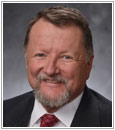
Fred Girod
RRepublican
Co

Lucetta Elmer
RRepublican
Co
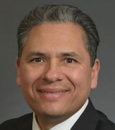
Mark Meek
DDemocratic
Co

Mark Owens
RRepublican
Co
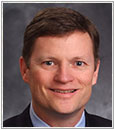
Mike McLane
RRepublican
Co

Suzanne Weber
RRepublican
Co

Todd Nash
RRepublican

Ask Maddy
·
AI policy assistant
Ask Maddy about HB 4153
Scope: OR
Hi! I can help you understand HB 4153. What would you like to know?
Try one of these
i
Maddy answers using official bill text and legislative records. Always verify before sharing.
Sources cited inline