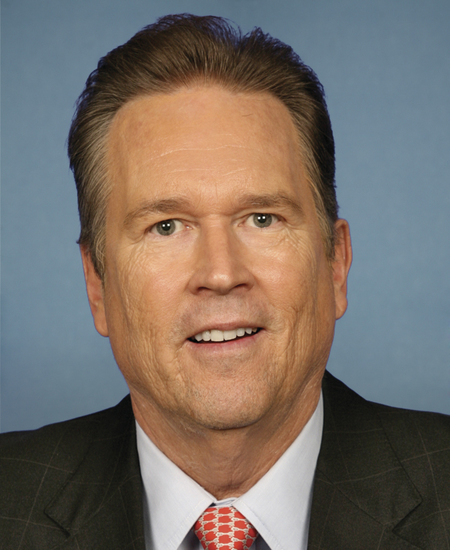
HR 9500 United States House · 119th Congress

Tax Relief for Fraud Victims Act

The Tax Relief for Fraud Victims Act helps individuals who suffer financial losses due to theft involving fraud, deceit, or misrepresentation by changing how they can claim tax deductions. It allows taxpayers to treat these theft losses as occurring when they discover them rather than when the theft happens, giving them more time to file for refunds. The bill also extends the deadline for filing refund claims related to these losses and provides special rules for withdrawing retirement funds to cover such losses without immediate tax penalties. Additionally, the legislation includes specific provisions for victims of pyrrhotite-related home damage, allowing them to claim deductions and file refunds based on discovery dates rather than the standard future effective date.
Bill status passed 3 of 5 stages cleared
Introduction
Jun 2026
Committee Review
Sep 2026
House Passage
Sep 2026
Senate Passage
President
Introduced Jun 29, 2026 Last action Sep 16, 2026
Maddy AI version diff · 1 comparison

What changed between versions

Introduced in House Engrossed in House · 6 edits · Sep 15, 2026
MODERATE
The engrossed version of HR 9500 significantly expands the scope of personal casualty loss relief by adding a new category for fraud-related losses (theft involving fraud, deceit, or misrepresentation) alongside the existing pyrrhotite-related losses, and makes the effective dates retroactive to December 31, 2020. It also adds a new requirement that the Treasury process related refund claims within 2 years of filing, and provides special rules for taxpayers who discovered fraud-related losses before the bill was enacted.
Scope change
The bill's scope expands from covering only pyrrhotite-related personal casualty losses to also covering fraud-related personal casualty losses (theft involving fraud, deceit, or misrepresentation). The time period for both categories is extended retroactively to losses sustained after December 31, 2020, rather than the originally proposed forward-looking date of December 31, 2025.
SCOPE

A new category called 'fraud-related personal casualty loss' is added, covering theft involving fraud, deceit, or misrepresentation sustained after December 31, 2020 and before January 1, 2026. This is combined with pyrrhotite-related losses under the umbrella term 'specified personal casualty loss.'

REQUIREMENT

A new subsection (e) requires the Treasury Secretary to process claims for credit or refund related to specified personal casualty losses within 2 years of filing, creating a processing deadline that did not exist in the introduced version.

TIMELINE

The effective date for specified personal casualty losses (both fraud-related and pyrrhotite-related) is changed from taxable years beginning after December 31, 2025 to after December 31, 2020, making the relief retroactive by approximately five years.

The effective date for distributions relating to theft losses involving fraud, deceit, or misrepresentation is changed from after December 31, 2025 to after December 31, 2020, also making it retroactive.

ELIGIBILITY

A new provision addresses taxpayers who discovered a fraud-related personal casualty loss before the bill's enactment date. For these taxpayers, certain statutory references to the discovery date are replaced with the enactment date, ensuring they can still claim relief even though they knew about the loss earlier.

DEFINITION

The definition of pyrrhotite-related personal casualty loss is updated to explicitly include the time window 'sustained after December 31, 2020, and before January 1, 2026,' which was previously only implied through the effective date provision.

Floor votes · House Sep 15, 2026

How they voted

40817
Passed · 8 other
Total votes 433
Sep 15, 2026
D Democratic214
212 Yea 2
99% Yea
I Independent1
1 Yea
100% Yea
R Republican218
195 Yea 17 Nay 6
89% Yea
Vote distribution
All Yea All Nay Mixed No data
Full legislative history

Actions timeline

Total actions
13
Key actions
2
Committee
3
Amendments
2
Sep 16, 2026
Committee
Received in the Senate and Read twice and referred to the Committee on Finance.
upper
Sep 15, 2026
Introduced
On motion to suspend the rules and pass the bill, as amended Agreed to by the Yeas and Nays: (2/3 required): 408 - 17 (Roll no. 305). (text: CR H5687-5688)
lower
Sep 15, 2026
Lower · Passed
Passed/agreed to in House: On motion to suspend the rules and pass the bill, as amended Agreed to by the Yeas and Nays: (2/3 required): 408 - 17 (Roll no. 305).
lower
Sep 15, 2026
Introduced
Mr. Smith (MO) moved to suspend the rules and pass the bill, as amended.
lower
Jul 1, 2026
Lower · Passed
Committee Consideration and Mark-up Session Held
lower
Jun 29, 2026
Committee
Referred to the House Committee on Ways and Means.
lower
Jun 29, 2026
Introduced
Introduced in House
lower
1 primary · 2 co-sponsors

Sponsors