

Establishes environmental standards for ambient lead and lead contamination
This bill requires New York's Environmental Conservation and Health departments to establish new lead exposure standards within 180 days. The standards will address lead in soil, floors, window sills, and air to protect children's health, meeting or exceeding federal benchmarks (like 40 CFR Part 745 as of January 2025). It mandates that all new standards must prevent blood lead levels from exceeding safe thresholds. The law expires one year after enactment unless implemented earlier.
Bill status
passed both
4 of 5 stages cleared
Introduction
Jan 2025
Committee Review
Feb 2026
Senate Passage
Feb 2026
Assembly Passage
Mar 2026
Governor
Introduced Jan 8, 2025
Last action Mar 31, 2026
Maddy AI version diff · 1 comparison
What changed between versions
S122
→
S122A
·
4 edits
MODERATE
The bill was significantly rewritten to simplify its language and shift its focus from setting specific numerical limits on lead to directing agencies to establish protective standards based on CDC recommendations. The most critical change is the addition of an expiration date, meaning the new rules will automatically end one year after they take effect.
Scope change
The bill's scope was narrowed by adding a sunset provision, limiting the duration of the new environmental standards to one year unless renewed.
REQUIREMENT
The specific numerical thresholds for lead in air, soil, and dust were removed from the text, replacing them with a directive to set standards that result in blood lead levels no higher than a CDC target.
The bill now explicitly requires the health commissioner to be consulted alongside the environmental conservation commissioner, whereas the original version did not explicitly name the health commissioner in this context.
TIMELINE
A new expiration clause was added, requiring the act and its resulting standards to automatically repeal one year after the effective date.
ELIGIBILITY
The list of sponsors was updated to include three additional senators (May, Webb, and Weber) compared to the original version.
Floor votes · Senate Mar 5, 2025 · Assembly Mar 31, 2026
How they voted
61–0
Passed · 2 other
Total votes 63
Mar 5, 2025
D
Democratic41
95% Yea
R
Republican22
100% Yea
Vote distribution
All Yea
All Nay
Mixed
No data
Full legislative history
Actions timeline
Total actions
27
Key actions
5
Committee
5
Amendments
1
Mar 31, 2026
Lower · Passed
PASSED ASSEMBLY
lower
Feb 10, 2026
Committee
REFERRED TO ENVIRONMENTAL CONSERVATION
lower
Feb 10, 2026
Upper · Passed
PASSED SENATE
upper
Jan 7, 2026
Committee
REFERRED TO ENVIRONMENTAL CONSERVATION
upper
Jun 10, 2025
Committee
REFERRED TO ENVIRONMENTAL CONSERVATION
lower
Jun 10, 2025
Upper · Passed
REPASSED SENATE
upper
Jun 4, 2025
Upper · Passed
AMENDED ON THIRD READING (T) 122A
upper
Mar 5, 2025
Committee
REFERRED TO ENVIRONMENTAL CONSERVATION
lower
Mar 5, 2025
Upper · Passed
PASSED SENATE
upper
Jan 8, 2025
Committee
REFERRED TO ENVIRONMENTAL CONSERVATION
upper
1 primary · 7 co-sponsors
Sponsors
Role
Legislator
Party
State
District
P
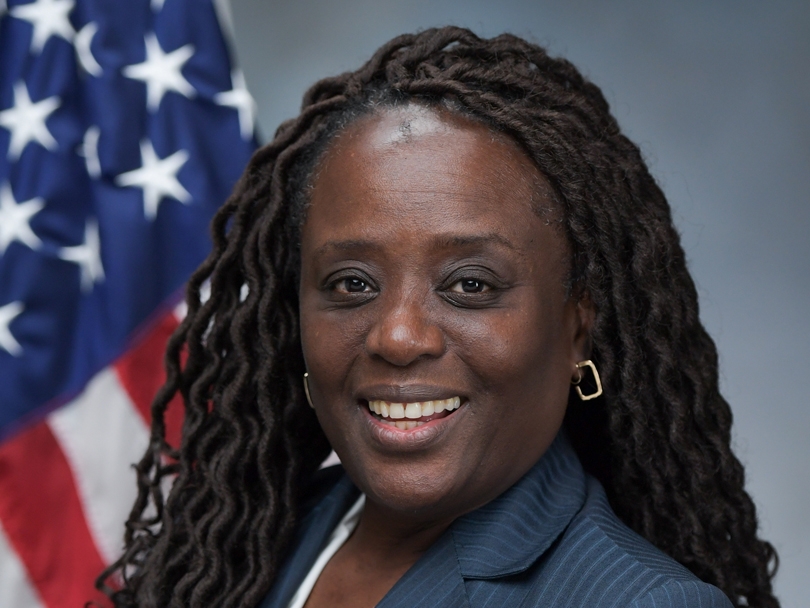
Cordell Cleare
DDemocratic
Co
Bill Weber
RRepublican/Conservative
Co
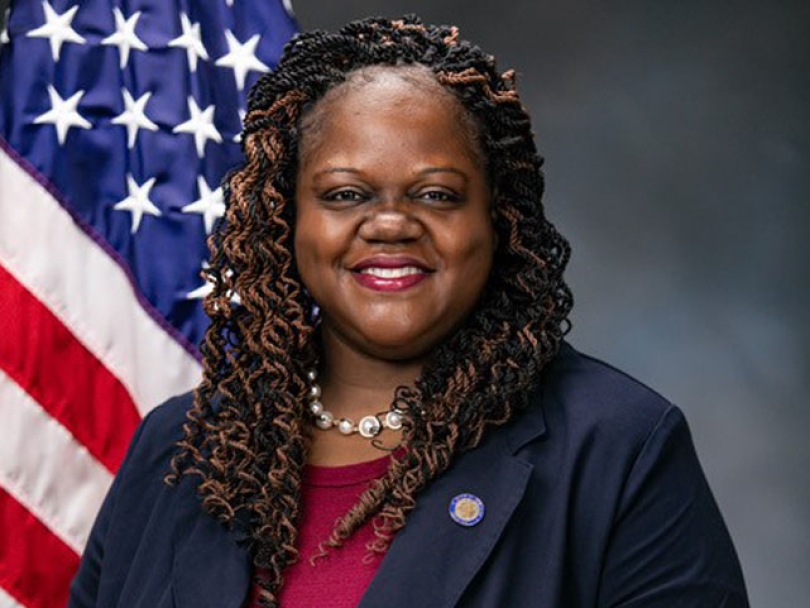
Lea Webb
DDemocratic/Working Families
Co
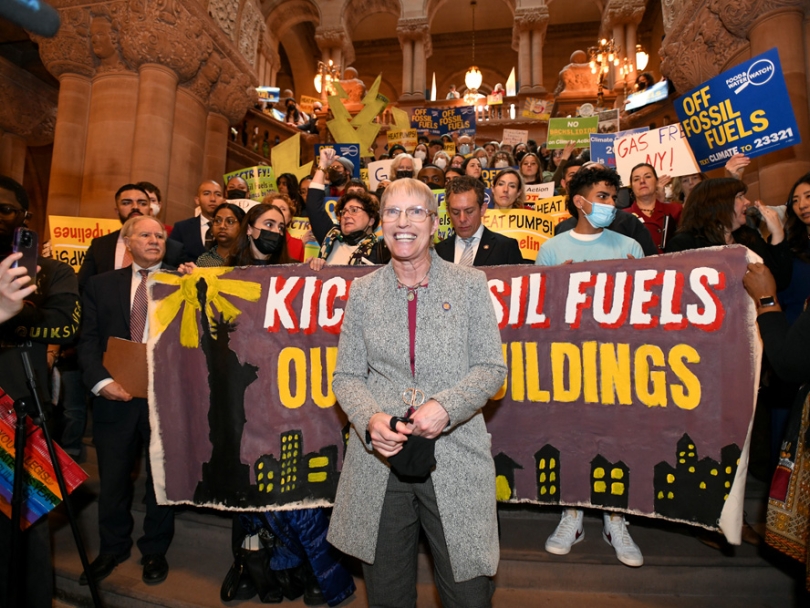
Rachel May
DDemocratic/Working Families
Co
Rob Rolison
RRepublican
Co
Robert Jackson
DDemocratic/Working Families
Co
Samra Brouk
DDemocratic/Working Families
Co
Steve Rhoads
RRepublican/Conservative
Ask Maddy
·
AI policy assistant
Ask Maddy about S 122
Scope: NY
Hi! I can help you understand S 122. What would you like to know?
Try one of these
i
Maddy answers using official bill text and legislative records. Always verify before sharing.
Sources cited inline