

Prohibits the impersonation of an employee organization or an employee representative
Summary
Prohibits falsely impersonating an employee organization or an employee representative with the intent to deceive the recipient and thereby cause harm to such recipient or employee organization by the use of fraud, misrepresentation, material omission, or other deception in making and disseminating a verbal, written or electronic communication; provides that the attorney general may bring an action or proceeding to enjoin such unlawful acts or practices.
Bill status
passed both
4 of 5 stages cleared
Introduction
Apr 2026
Committee Review
May 2026
Assembly Passage
May 2026
Senate Passage
Jun 2026
Governor
Introduced Apr 1, 2026
Last action Jun 4, 2026
Maddy AI version diff · 1 comparison
What changed between versions
A10835
→
A10835A
·
5 edits
MODERATE
The bill was amended to shift enforcement authority from private employee organizations to the Attorney General, who can now sue violators on behalf of the state. The definition of the offense was broadened to include material omissions and specific intent to deceive, and the penalty was reduced from $15,000 to $1,000 per incident with judicial discretion to lower the fine further.
Scope change
The bill's scope expanded to allow the Attorney General to pursue actions against any person, including out-of-state actors, regardless of whether they are an employee organization or representative.
ENFORCEMENT
Enforcement authority was transferred from private employee organizations to the Attorney General, who can now bring civil actions to stop false impersonation.
New provisions authorize the Attorney General to issue subpoenas and take proof of facts in connection with proposed actions.
DEFINITION
The definition of 'falsely impersonating' was updated to explicitly include 'material omission' and require 'specific intent to deceive' to cause harm.
REQUIREMENT
A new requirement was added stating that employee organizations have the sole authority to designate their own representatives.
FISCAL
The statutory fine for violations was reduced from $15,000 per incident to $1,000 per incident, with the option for courts to reduce the fine further if deemed disproportionate.
Floor votes · Senate Jun 4, 2026 · Assembly May 28, 2026
How they voted
60–0
Passed · 3 other
Total votes 63
Jun 4, 2026
D
Democratic41
92% Yea
R
Republican22
100% Yea
Vote distribution
All Yea
All Nay
Mixed
No data
Full legislative history
Actions timeline
Total actions
15
Key actions
4
Committee
4
Amendments
2
Jun 4, 2026
Upper · Passed
PASSED SENATE
upper
May 28, 2026
Committee
REFERRED TO CIVIL SERVICE AND PENSIONS
upper
May 28, 2026
Lower · Passed
PASSED ASSEMBLY
lower
May 20, 2026
Committee
REPORTED REFERRED TO RULES
lower
May 19, 2026
Committee
REPORTED REFERRED TO CODES
lower
Apr 22, 2026
Lower · Passed
PRINT NUMBER 10835A
lower
Apr 22, 2026
Lower · Passed
AMEND AND RECOMMIT TO GOVERNMENTAL EMPLOYEES
lower
Apr 1, 2026
Committee
REFERRED TO GOVERNMENTAL EMPLOYEES
lower
1 primary · 9 co-sponsors
Sponsors
Role
Legislator
Party
State
District
P

Judy Griffin
DDemocratic
Co

Angelo Santabarbara
DDemocratic
Co

Anna Kelles
DDemocratic/Working Families
Co
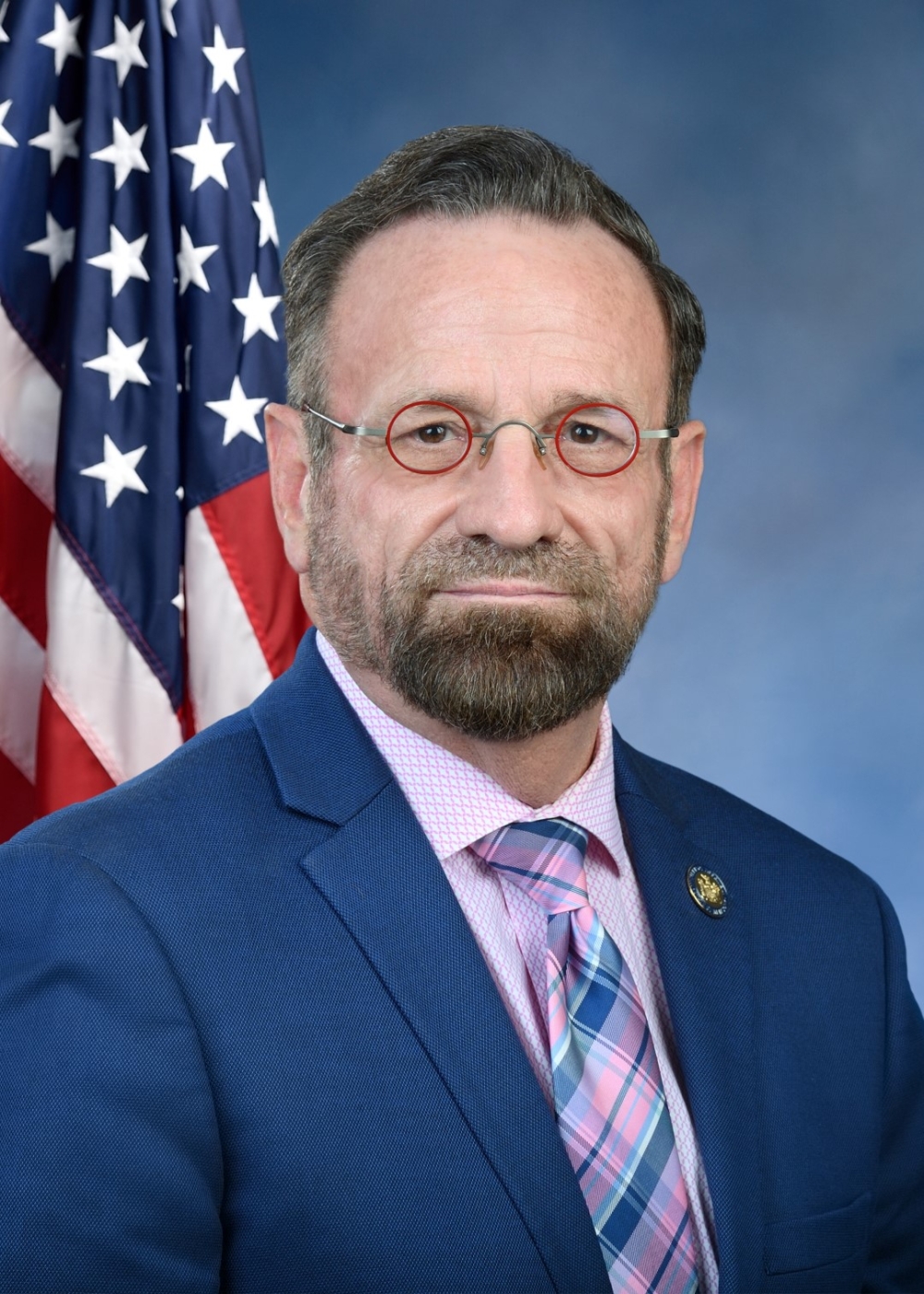
Harry Bronson
DDemocratic
Co
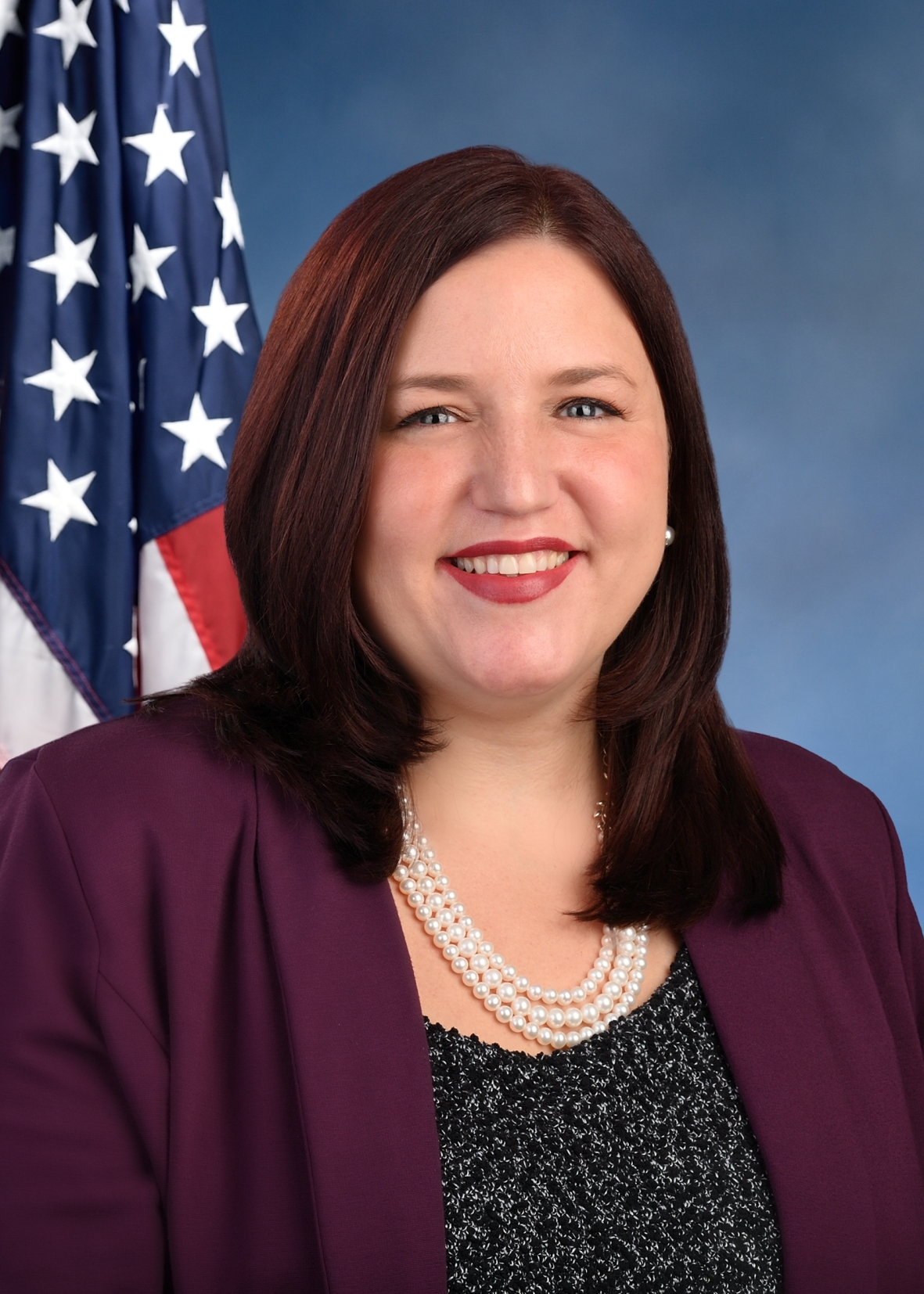
Jen Lunsford
DDemocratic/Working Families
Co
Jonathan Jacobson
DDemocratic
Co
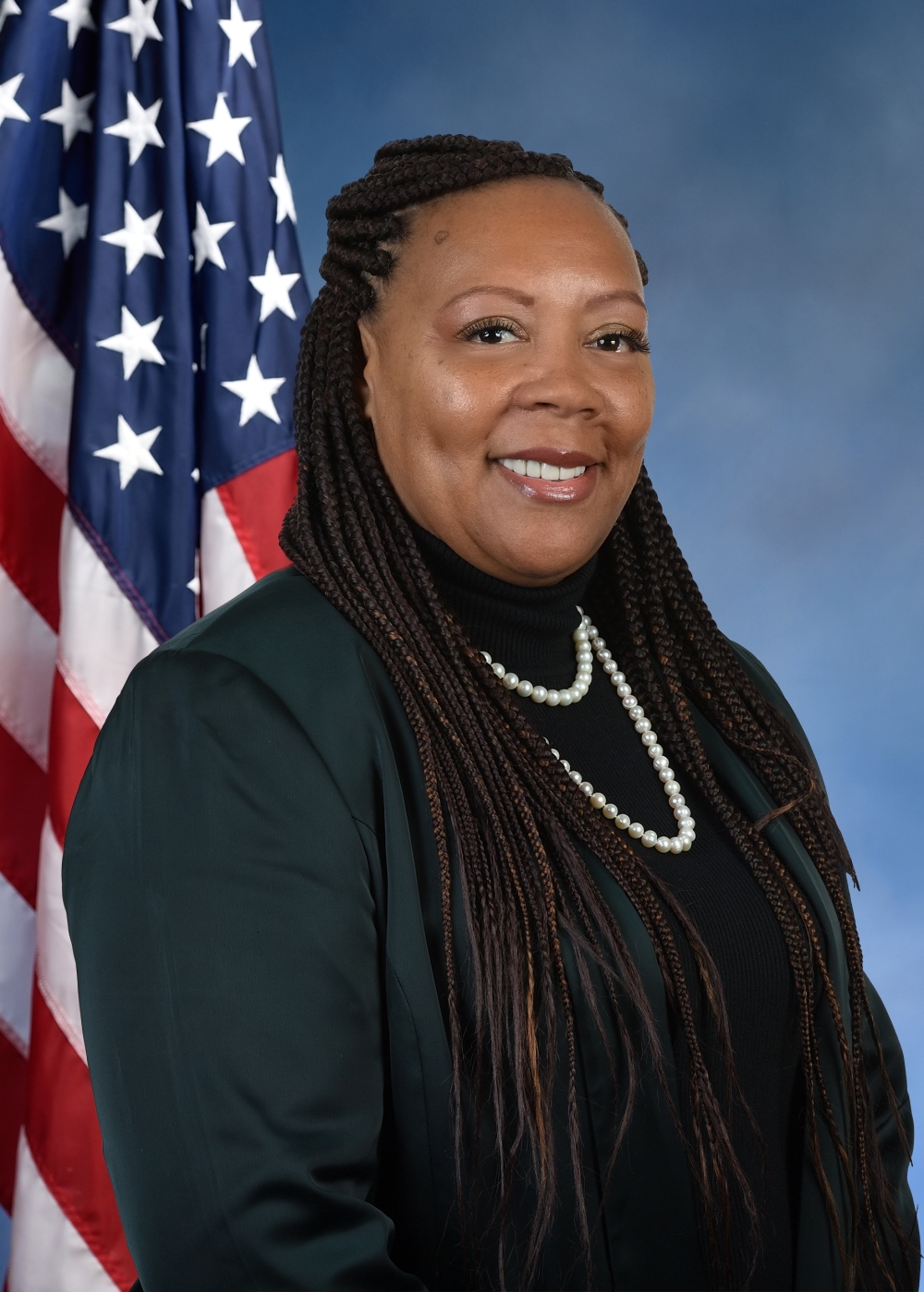
Larinda Hooks
DDemocratic/Working Families
Co

Paula Kay
DDemocratic
Co

Sarahana Shrestha
DDemocratic/Working Families
Co

Tommy John Schiavoni
DDemocratic/Working Families
Ask Maddy
·
AI policy assistant
Ask Maddy about A 10835
Scope: NY
Hi! I can help you understand A 10835. What would you like to know?
Try one of these
i
Maddy answers using official bill text and legislative records. Always verify before sharing.
Sources cited inline