Regulations from the Executive in Need of Scrutiny Act of 2023
What changed between versions
The definition of 'rule' now explicitly includes interpretative rules, general statements of policy, and all other agency guidance documents. Previously these were excluded by incorporating the standard Administrative Procedure Act definition. This dramatically broadens the types of agency actions subject to congressional approval.
Entirely new section 808 requires each agency to designate at least 20 percent of rules currently in effect for congressional review each year for four years. After five years from enactment, any such rule not approved by Congress via joint resolution shall cease to have effect (sunset). Unless Congress approves all designated rules within 90 days of designation, they have no effect.
A new criterion (D) for a 'major rule' is added: any rule that results in an increase in mandatory vaccinations. This means such rules would require affirmative congressional approval before taking effect.
The determination of whether a rule is major or nonmajor can now be made by either the OIRA Administrator OR the promulgating federal agency itself, rather than solely by OIRA. The agency must also consult with OIRA when making this finding.
Agencies must now include 'a statement of the constitutional authority authorizing the agency to make the rule' in their submission report to Congress.
Agencies must now provide 'an estimate of the effect on inflation of the rule' as part of their submission to Congress.
The cost-benefit analysis and related materials must now be made available not only to each House of Congress but also to each committee of jurisdiction in each House, expanding distribution beyond what was previously required.
A new provision allows any member of Congress to request the Comptroller General to determine whether an agency action qualifies as a 'rule' (within 60 days) or whether a rule is 'major' (within 90 days, in consultation with the CBO Director). This creates a new mechanism for Congress to challenge agency classification decisions.
How they voted
Actions timeline
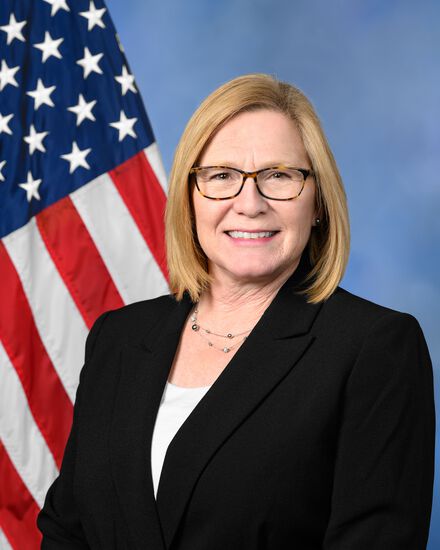
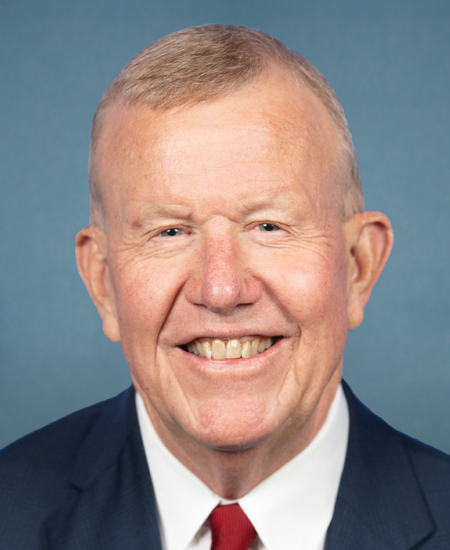
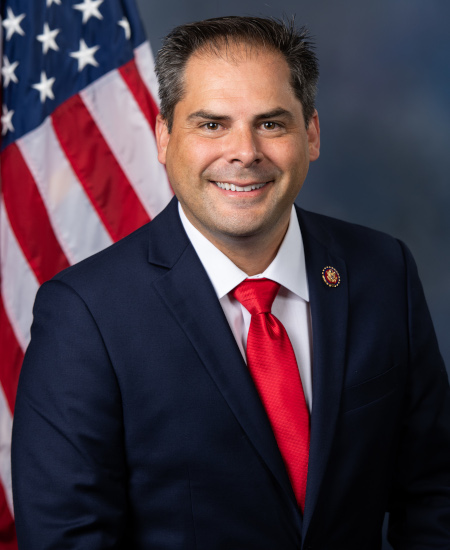
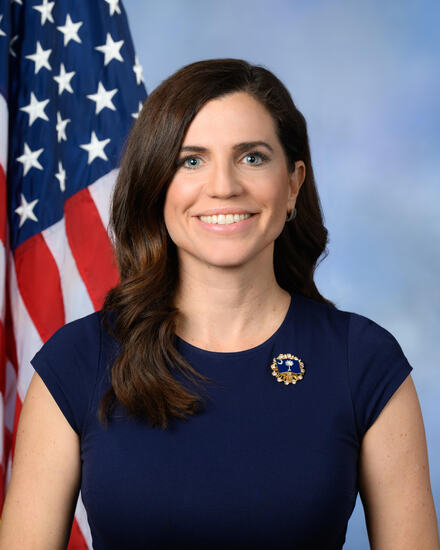
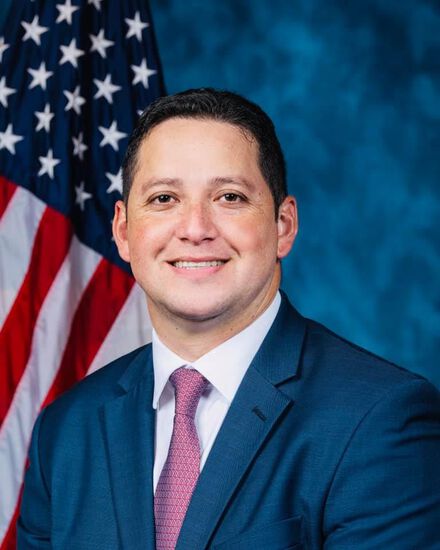
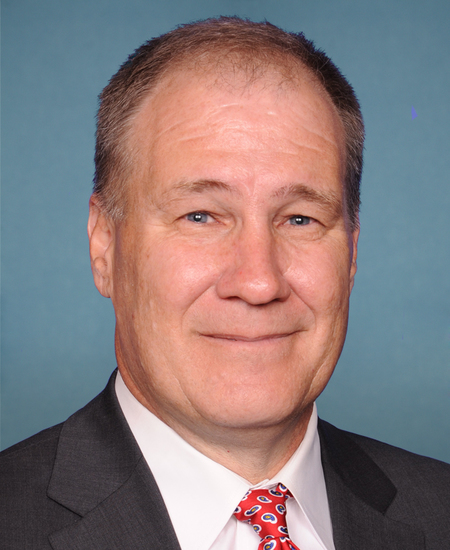
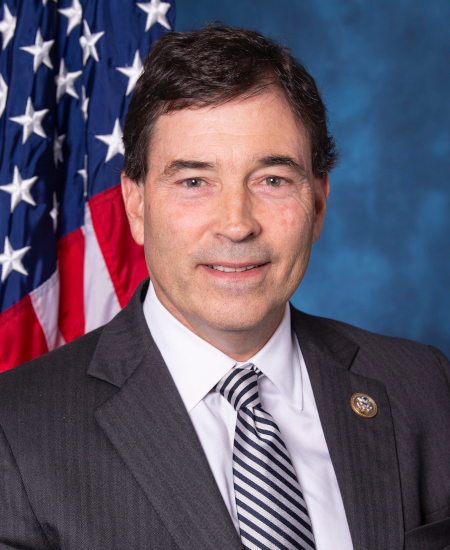
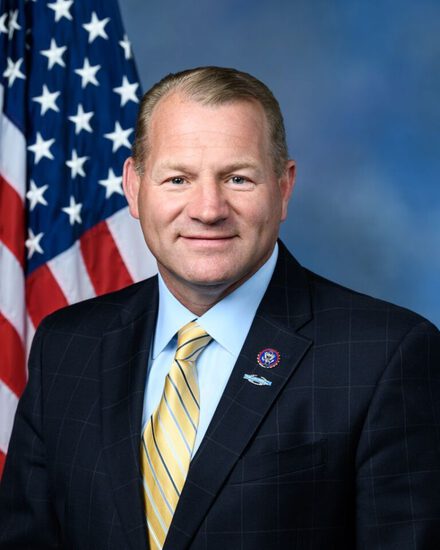
Sponsors