

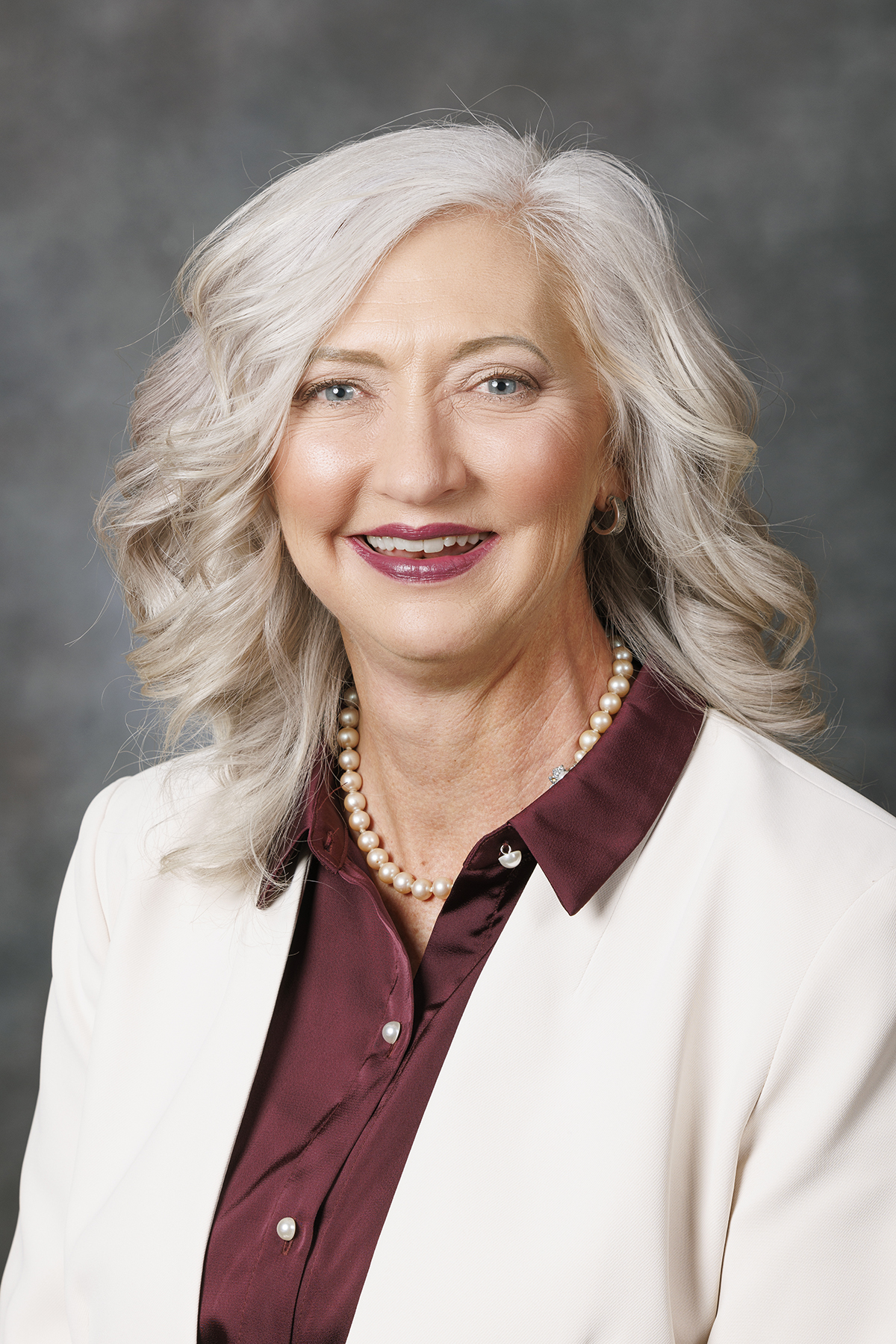
Maddy summaryThis legislative resolution congratulates Deloris Marshall Adamson for her induction into the Nebraska Sandhills Cowboy Hall of Fame. The document formally acknowledges her lifelong dedication to ranching, horse riding, and livestock care, highlighting her background growing up on a family ranch in Whitman, Nebraska. It also notes her later achievements in cutting horse competitions and her continued passion for riding even after a riding accident at age 79. The resolution directs that a copy be sent to Adamson as an official gesture of recognition from the Nebraska Legislature.

Sponsored bills
Maddy summaryNebraska's LB 978 creates a new civil cause of action allowing victims of exposure to prohibited content - including child sexual abuse material, material promoting such content, or obscene material - to sue individuals or entities that distribute, facilitate access to, or create such content online. The bill specifically permits minors or individuals depicted in prohibited content to seek damages, attorney fees, and equitable relief, while shielding internet utilities from liability for hosting third-party content they didn’t create. It also explicitly protects judges, attorneys, and their staff from liability when viewing such content in good faith for official purposes. The law applies alongside existing legal remedies and does not require a criminal conviction for victims to pursue civil claims.
Maddy summaryNebraska's LB 990 renames the "School District Property Tax Relief Act" to the "Live Here Thrive Here Act" and changes the "School District Property Tax Relief Credit Fund" to the "Live Here Thrive Here Credit Fund." The bill modifies how property tax credits are distributed by adjusting the state's fiscal transfer process under Section 77-4602. Specifically, it directs funds to the new credit fund based on comparisons between actual and estimated state revenue, with the State Treasurer making transfers according to these calculations. This policy change directly affects property owners in Nebraska school districts who receive tax credits for real property taxes paid.
Maddy summaryThis bill amends Nebraska statutes to increase penalties for domestic assault and assault by strangulation or suffocation. Specifically, it upgrades domestic assault in the third degree (causing bodily injury to an intimate partner) to a Class IIIA felony upon a second conviction (Section 28-323(14)), and changes strangulation assault to a Class IIA felony if the offender has a prior conviction for a similar offense (Section 28-310.01(4)). These changes directly affect individuals convicted of these crimes who have prior similar offenses, raising the severity of penalties for repeat violations. The bill focuses on adjusting criminal sentencing classifications without altering definitions or introducing new programs.
Maddy summaryLB 817 increases penalties for certain drug offenses involving fentanyl by amending Nebraska's controlled substances laws. It enhances penalties for individuals convicted of distributing or possessing fentanyl, raising the felony classification for these offenses beyond standard penalties. This directly affects people convicted of fentanyl-related drug crimes in Nebraska, particularly those involving distribution near schools or to minors. The bill harmonizes existing penalties and specifically targets fentanyl offenses by applying stricter sentencing under sections 28-416, 28-1354, and 28-1701. The key change is a mandatory penalty enhancement when fentanyl is the controlled substance involved in the offense.
Maddy summaryLB 816 protects the confidentiality of communications between public safety personnel and peer support team members. It makes peer support meetings and related records privileged and confidential, meaning they cannot be disclosed in court, treated as public records, or used in disciplinary proceedings. This law directly affects law enforcement officers, firefighters, emergency medical personnel, and support staff (like dispatchers) who receive or provide peer support for critical incidents or personal issues. The only exceptions to confidentiality are with the recipient's written consent or if a person's safety is at immediate risk.
Maddy summaryThis bill updates Nebraska's emergency protective custody rules for individuals posing a mental health or safety risk. It clarifies that law enforcement may temporarily hold people suspected of being mentally ill and dangerous or dangerous sex offenders, requiring a 36-hour mental health evaluation by an independent professional before release. The bill specifies where individuals must be held (medical facilities first, then jails if no emergency), details documentation requirements for officers, and assigns payment responsibility to counties or tribes for Indian country cases under tribal law. These changes apply directly to people in emergency custody and the county/tribal facilities managing their care.
Maddy summaryNebraska's LB 1083 adopts the Transparency in Artificial Intelligence Risk Management Act, requiring AI companies using massive computing power for high-risk systems (called "frontier models") to assess and publicly report safety risks. It directly affects "frontier developers" (those training models exceeding 10^26 computing operations) and "large chatbot providers" (with $25M+ annual revenue) who serve minors. Key provisions mandate annual safety assessments for catastrophic risks (e.g., AI enabling weapons or causing mass harm) and child safety incidents, with annual public safety reports. The bill also creates a fund for oversight and modifies public records rules to allow withholding certain AI safety information.
Maddy summaryLB 1115 exempts Nebraska microbreweries (defined in §53-103.21) from certain beer distribution rules that apply to larger suppliers. It removes requirements like written agreements specifying exclusive sales territories and limits on how suppliers can negotiate with wholesalers. Existing agreements between microbreweries and wholesalers must end by October 1, 2027, unless renewed under the new exemption. This directly affects small breweries and their wholesale partners by simplifying their business arrangements under state beer distribution law.
Maddy summaryLB 903 requires case managers in Nebraska's Department of Health and Human Services to refer families with children under two years old to evidence-based home visitation services when appropriate. This applies to families involved in child welfare cases where a juvenile is under the department's care (either court-ordered or voluntary) or in non-court cases. The bill amends existing law to mandate this referral process, which connects families to existing home visitation programs designed to support early childhood development and family well-being.