

Provide privacy in certain restrooms, changing rooms, and sleeping quarters
HB 121 requires public facilities like schools, correctional centers, and libraries to designate multi-occupancy restrooms, changing rooms, and sleeping quarters for exclusive use by males or females based on biological sex. It defines "male" and "female" by biological characteristics (chromosomes, reproductive systems), prohibits individuals from entering facilities designated for the opposite sex except for specific exceptions like maintenance or emergencies. The law allows private lawsuits against facilities that fail to enforce these designations or require sharing sleeping quarters with someone of the opposite sex. It directly affects all users of public restrooms, changing areas, and dormitories in covered facilities across Montana.
Bill status
signed
all 5 stages cleared
Introduction
Jan 2025
Committee Review
Feb 2025
House Passage
Mar 2025
Senate Passage
Mar 2025
Signed into Law
Mar 2025
Introduced Jan 6, 2025
Signed Mar 27, 2025
Maddy AI version diff · 3 comparisons
What changed between versions
HB0121_1(14).pdf
→
HB0121_2.pdf
·
2 edits
MINOR
This bill was amended to replace a draft version with the final enrolled legislation, which includes the complete text of the act. The changes primarily involve formatting updates, such as adding the full title and enacting clause, and renumbering the sections to reflect the final bill structure. The substantive policy content regarding definitions and requirements remains consistent between the two versions.
Scope change
The scope of the bill remains unchanged; it continues to apply to covered entities like correctional centers, public buildings, and schools.
TECHNICAL
The bill text was updated from a draft version (HB 121.1) to the final enrolled version (HB 121), including the addition of the full act title and enacting clause.
Section numbering and formatting were adjusted to align with the final legislative format, such as renumbering the purpose and definitions sections.
Floor votes · Senate Feb 11, 2025 · House Jan 16, 2025
How they voted
32–18
Passed
Total votes 50
Feb 11, 2025
D
Democratic18
100% Nay
R
Republican32
100% Yea
Vote distribution
All Yea
All Nay
Mixed
No data
Full legislative history
Actions timeline
Total actions
43
Key actions
9
Committee
6
Mar 27, 2025
Signed into law
(H) Signed by Governor
lower
Mar 18, 2025
Upper · Passed
(S) Signed by President
upper
Mar 7, 2025
Lower · Passed
(H) Signed by Speaker
lower
Feb 11, 2025
Senate · Passed
Senate Vote: pass (32-18)
senate
Feb 7, 2025
Upper · Passed
(S) Committee Report - (S) Judiciary
upper
Feb 5, 2025
Upper · Passed
(S) Committee Executive Action - (S) Judiciary
upper
Jan 17, 2025
Committee
(S) Referred to Committee - (S) Judiciary
upper
Jan 16, 2025
House · Passed
House Vote: pass (58-41-1)
house
Jan 13, 2025
Lower · Passed
(H) Committee Report - (H) Judiciary
lower
Jan 13, 2025
Lower · Passed
(H) Committee Executive Action - (H) Judiciary
lower
Jan 7, 2025
Committee
(H) Referred to Committee - (H) Judiciary
lower
Jan 6, 2025
Introduced
(H) Introduced
lower
1 primary · 0 co-sponsors
Sponsors
Role
Legislator
Party
State
District
P
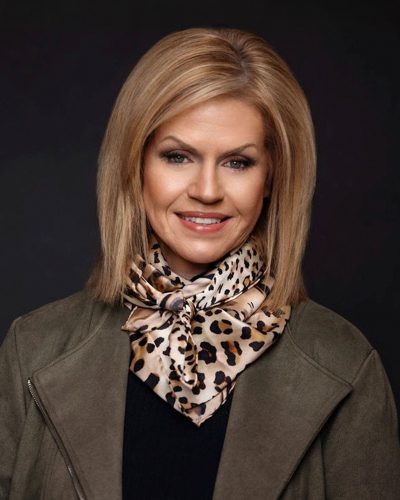
Kerri Seekins-Crowe
RRepublican
Ask Maddy
·
AI policy assistant
Ask Maddy about HB 121
Scope: MT
Hi! I can help you understand HB 121. What would you like to know?
Try one of these
i
Maddy answers using official bill text and legislative records. Always verify before sharing.
Sources cited inline