

Images or audio altered or created by digitization; criminalize dissemination of in certain circumstances.
SB 2075 criminalizes the non-consensual sharing of digitally altered or created intimate or non-intimate images/audio (including AI-generated content) when done with intent to cause emotional, financial, or physical harm to the depicted person. It applies to anyone who disseminates such content knowing the person depicted did not consent, even if the original recording was taken with consent but the person expected privacy. The bill defines key terms like "digitization" (including AI tools) and "intimate parts," and sets penalties: misdemeanor for first offenses under 21, felony for repeat or adult offenses, with exceptions for law enforcement, public reporting, and legitimate public purposes. It explicitly targets deepfakes and non-consensual image sharing, expanding existing laws to cover digitally manipulated content. The bill died in committee in February 2026 and was never enacted.
Bill status
died
1 of 4 stages cleared
Introduction
Jan 2026
Committee Review
Floor Vote
Governor
Introduced Jan 8, 2026
Last action Feb 3, 2026
Floor votes
How they voted
No floor votes recorded yet.
Full legislative history
Actions timeline
Total actions
2
Key actions
0
Committee
1
Jan 8, 2026
Committee
Referred To Judiciary, Division B
upper
1 primary · 0 co-sponsors
Sponsors
Role
Legislator
Party
State
District
P
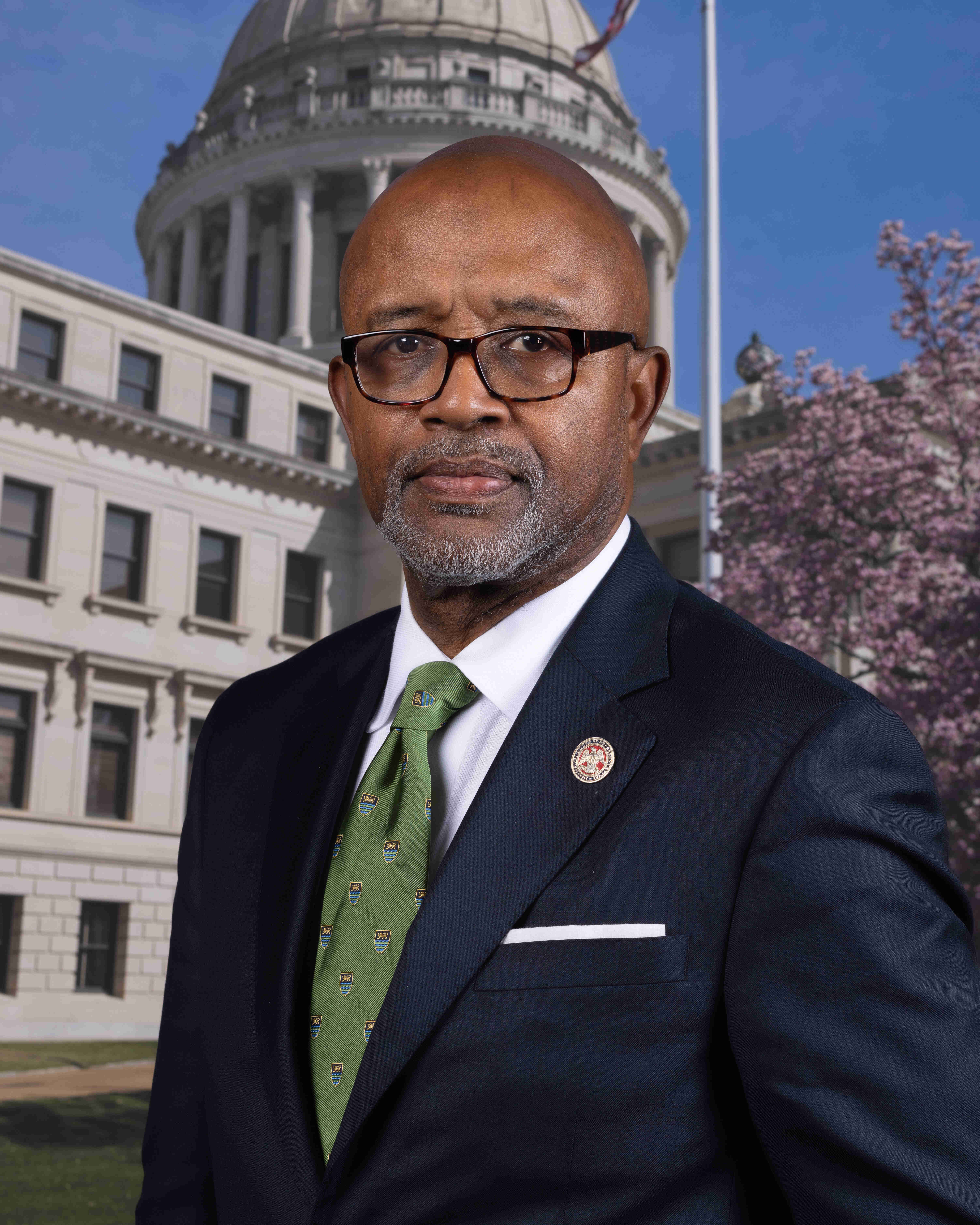
Robert Johnson
DDemocratic
Ask Maddy
·
AI policy assistant
Ask Maddy about SB 2075
Scope: MS
Hi! I can help you understand SB 2075. What would you like to know?
Try one of these
i
Maddy answers using official bill text and legislative records. Always verify before sharing.
Sources cited inline