

Economic development: commercial redevelopment; commercial rehabilitation act; modify. Amends secs. 2, 6, 7, 14 & 16 of 2005 PA 210 (MCL 207.842 et seq.).
SB 722 amends Michigan's Commercial Rehabilitation Act to update eligibility rules for tax credits aimed at revitalizing commercial properties. It clarifies definitions of "qualified facility" (including new requirements for retail food establishments in underserved areas) and allows commercial rehabilitation districts to be smaller than 3 acres in downtowns or near qualifying food stores. The bill explicitly excludes stadiums and casinos from receiving tax benefits. These changes aim to streamline the process for property owners seeking credits while ensuring funds target specific revitalization projects.
Bill status
signed
all 5 stages cleared
Introduction
Dec 2025
Committee Review
Jul 2026
Senate Passage
Dec 2025
House Passage
Jul 2026
Signed into Law
Jul 2026
Introduced Dec 2, 2025
Signed Jul 29, 2026
Maddy AI version diff · 1 comparison
What changed between versions
Senate Introduced Bill
→
As Passed by the Senate
·
3 edits
·
Dec 9, 2025
MINOR
The bill was amended to extend the expiration date for new commercial rehabilitation tax exemptions from 2025 to 2035, allowing local governments to offer property tax relief for longer periods. Additionally, the maximum duration for a single exemption certificate was increased from 10 years to 12 years, and the review criteria for extensions were clarified to require written factors, criteria, and objectives. These changes aim to provide more certainty and flexibility for developers and local governments to plan long-term commercial rehabilitation projects.
Scope change
The bill's scope regarding the availability of new exemptions was expanded by extending the deadline for granting new exemptions from 2025 to 2035.
TIMELINE
Extended the deadline for granting new commercial rehabilitation exemptions from December 31, 2025, to December 31, 2035.
REQUIREMENT
Increased the maximum duration of a commercial rehabilitation exemption certificate from 10 years to 12 years.
Clarified that if an exemption is granted for less than 12 years, the local government must establish written factors, criteria, and objectives to determine if the exemption should be extended.
Floor votes · Senate Dec 9, 2025 · House Jul 3, 2026
How they voted
22–14
Passed · 2 other
Total votes 38
Dec 9, 2025
D
Democratic19
89% Yea
R
Republican19
63% Nay
Vote distribution
All Yea
All Nay
Mixed
No data
Full legislative history
Actions timeline
Total actions
31
Key actions
6
Committee
6
Jul 29, 2026
Introduced
FILED WITH SECRETARY OF STATE 7/22/2026 10:34 AM
upper
Jul 29, 2026
Signed into law
APPROVED BY GOVERNOR 7/21/2026 1:34 PM
upper
Jul 3, 2026
Lower · Passed
passed; given immediate effect Roll Call #296 Yeas 97 Nays 11 Excused 0 Not Voting 2
lower
Jul 2, 2026
Lower · Passed
motion to discharge committee approved
lower
Dec 10, 2025
Committee
referred to Committee on Finance
lower
Dec 10, 2025
Committee
REFERRED TO COMMITTEE OF THE WHOLE
upper
Dec 10, 2025
Upper · Passed
REPORTED FAVORABLY WITHOUT AMENDMENT 12/9/2025
upper
Dec 9, 2025
Introduced
received on 12/09/2025
lower
Dec 9, 2025
Upper · Passed
PASSED ROLL CALL # 329 YEAS 22 NAYS 13 EXCUSED 2 NOT VOTING 0
upper
Dec 9, 2025
Upper · Passed
REPORTED BY COMMITTEE OF THE WHOLE FAVORABLY WITHOUT AMENDMENT(S)
upper
Dec 2, 2025
Committee
REFERRED TO COMMITTEE ON REGULATORY AFFAIRS
upper
Dec 2, 2025
Introduced
INTRODUCED BY SENATOR MARY CAVANAGH
upper
1 primary · 0 co-sponsors
Sponsors
Role
Legislator
Party
State
District
P
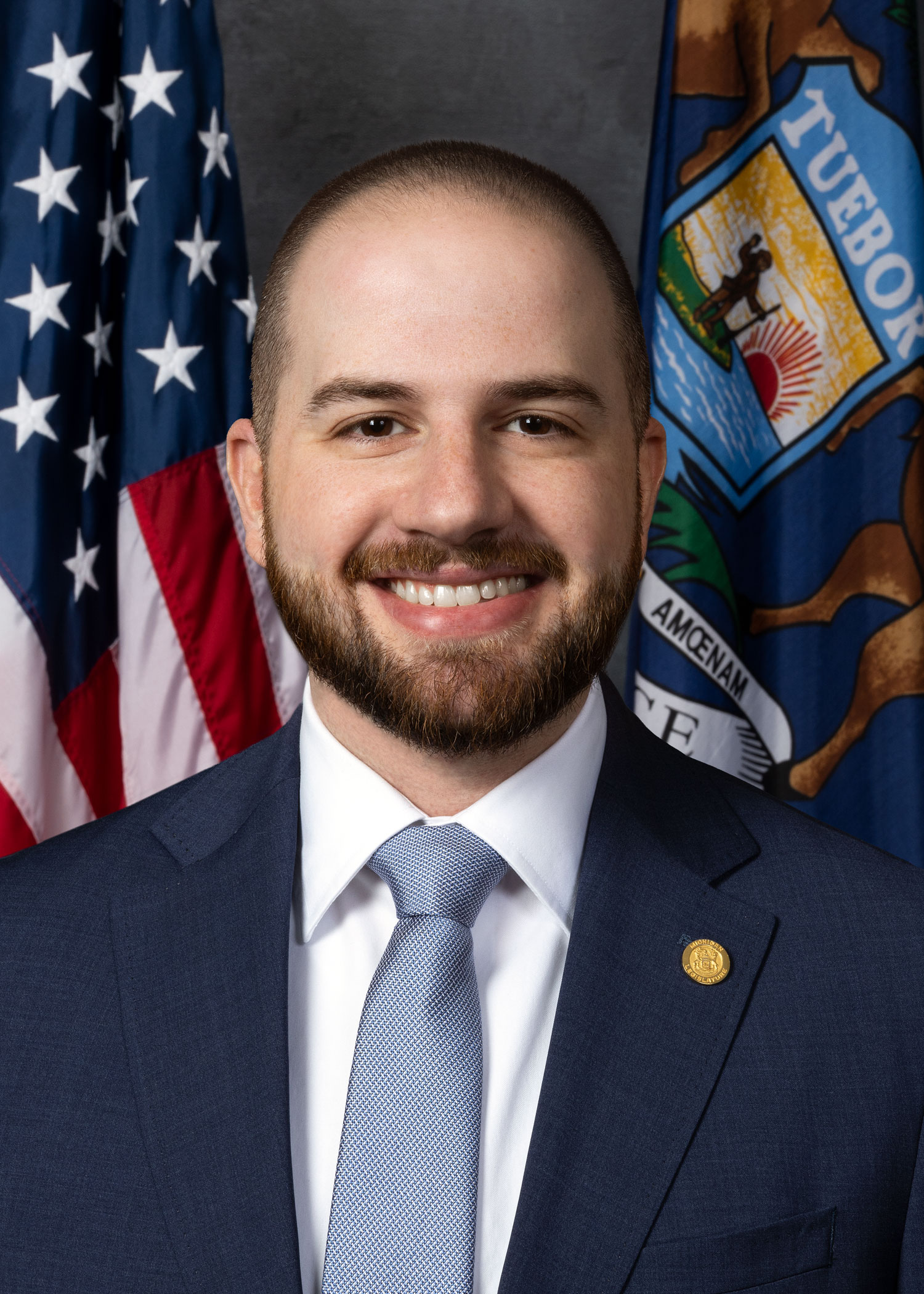
Jeremy Moss
DDemocratic
Ask Maddy
·
AI policy assistant
Ask Maddy about SB 722
Scope: MI
Hi! I can help you understand SB 722. What would you like to know?
Try one of these
i
Maddy answers using official bill text and legislative records. Always verify before sharing.
Sources cited inline