

HR 1 Michigan House · 2025-2026 Regular Session

A resolution to prescribe the Standing Rules for the 2025-2026 session of the House of Representatives.

HR 1 is a procedural resolution that establishes the operational rules for the Michigan House of Representatives during the 2025-2026 legislative session. It prescribes standard procedures covering floor access (restricting lobbyists and setting guest policies), officer duties (including the Speaker's administrative responsibilities), meeting schedules, and quorum requirements. The resolution updates existing House rules to govern daily operations, such as attendance protocols, use of the House floor, and the Speaker's authority over administrative spending. As a procedural measure, it directly affects House Members, staff, and officials by defining how the chamber conducts its business.
Bill status passed 3 of 5 stages cleared
Introduction
Jan 2025
Committee Review
House Passage
Jan 2025
Senate Passage
Governor
Introduced Jan 8, 2025 Last action Jan 8, 2025
Maddy AI version diff · 1 comparison

What changed between versions

House Introduced Resolution House Adopted Resolution · 8 edits
MODERATE
The bill was reformatted from a research draft into an official House resolution, with substantial substantive changes to the Standing Rules. Key policy changes include adding the Associate Speaker Pro Tempore to presiding duties, expanding committee budget authority, clarifying electronic voting procedures, and establishing detailed public access requirements for committee meetings and financial records. The rules now explicitly address modern concerns like livestreaming restrictions and electronic roll call systems.
Scope change
The scope expanded from a research draft to an adopted resolution with new provisions for electronic voting, expanded committee authority, and enhanced transparency requirements for public access to legislative proceedings and financial records.
REQUIREMENT

Added Associate Speaker Pro Tempore to the list of officers who may preside over the House when the Speaker is absent.

Established detailed procedures for electronic roll call voting, including how votes are recorded and when the voting board may be closed.

Created comprehensive public access requirements for committee meetings, including open meeting procedures, public notice requirements, and rights to tape-record or livestream proceedings.

Added detailed financial record access provisions allowing public inspection of House budgets, contracts, and expenditures with specific exemptions for personal privacy and trade secrets.

Expanded committee budget authority to allow the Speaker to authorize expenditures for additional committees and subcommittees with specific approval requirements.

Added restrictions on televising House sessions, prohibiting Members and guests from recording without consent and limiting use of House feeds for political purposes.

Established specific requirements for committee subpoena powers, requiring House resolution for special or standing committees while granting full subpoena power to the House Oversight Committee.

Added provisions for expungement of records and petitions, allowing the House to remove certain matters from the record by majority vote.

Floor votes

How they voted

This bill passed the House by voice vote (no roll call recorded).
Full legislative history

Actions timeline

Total actions
2
Key actions
1
Committee
0
Jan 8, 2025
Lower · Passed
adopted
lower
Jan 8, 2025
Introduced
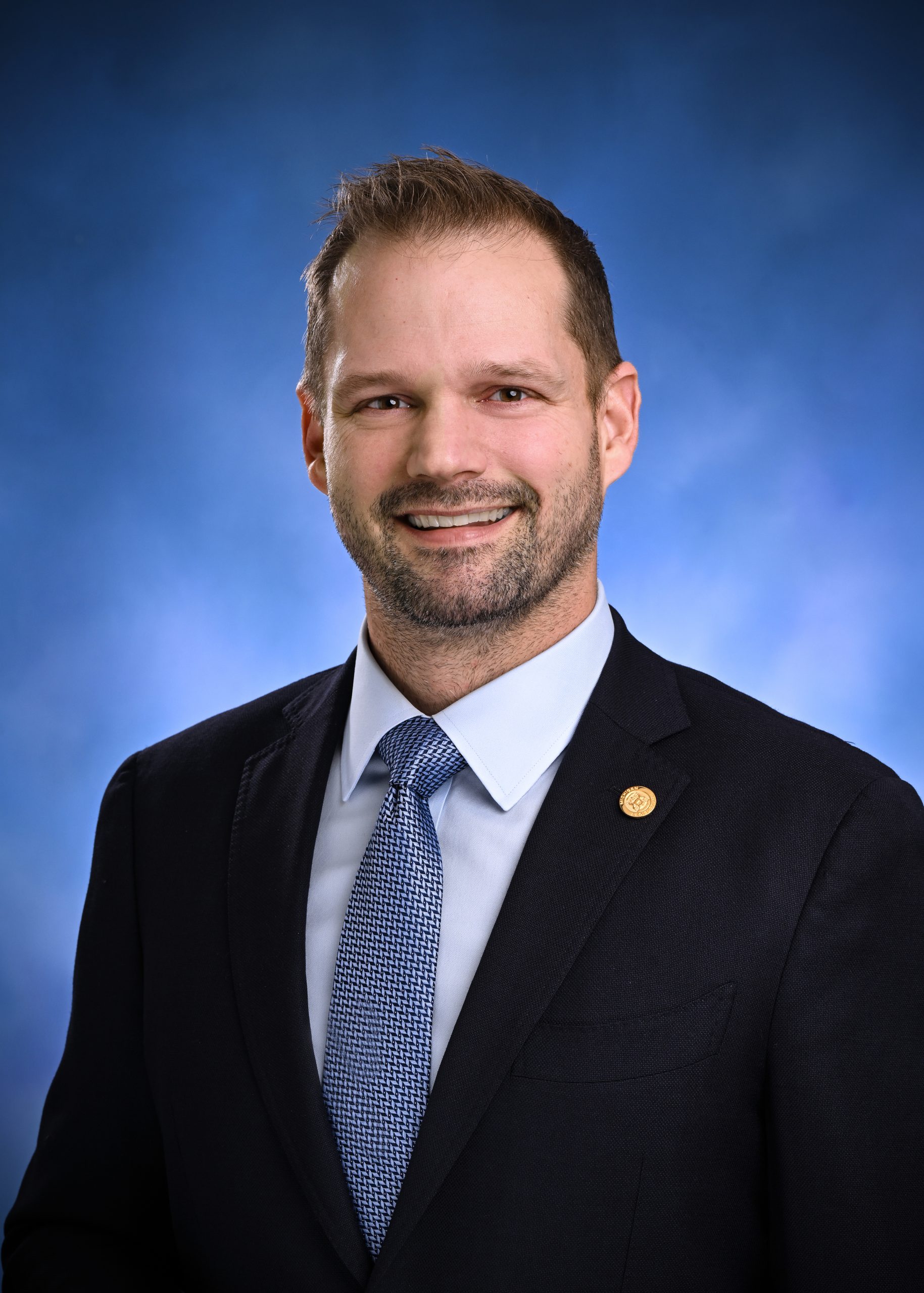
introduced by Representative Bryan Posthumus
lower
1 primary · 1 co-sponsor

Sponsors