

Civil rights: open meetings; the children trust Michigan state board; allow to meet remotely under the open meetings act. Amends sec. 3a of 1976 PA 267 (MCL 15.263a). TIE BAR WITH: HB 4807'25
HB 4808 amends Michigan's Open Meetings Act to allow specific public bodies to hold remote meetings via video or phone under new conditions, expanding beyond emergency situations. It directly affects agricultural commodity groups (like beef or potato commissions), municipal retirement boards, energy joint agencies, and the Children's Trust Michigan state board. Key provisions require two-way communication during remote meetings, 18-hour advance notice with clear participation details, and agenda posting 2 hours before meetings. The bill maintains transparency requirements while permitting remote participation for these designated groups without restricting physical meeting options.
Bill status
signed
all 5 stages cleared
Introduction
Aug 2025
Committee Review
Feb 2026
House Passage
Jul 2026
Senate Passage
Jul 2026
Signed into Law
Jul 2026
Introduced Aug 26, 2025
Signed Jul 29, 2026
Maddy AI version diff · 5 comparisons
What changed between versions
Substitute (S-4)
→
House Concurred Bill
·
3 edits
MINOR
The bill was finalized as a House Concurred Bill, removing Senate-specific formatting and correcting a typo in the enacting clause. The core policy regarding electronic meetings remains unchanged, but the text was reorganized to fix a numbering error where a paragraph was incorrectly labeled as section (g) instead of (h).
Scope change
The bill's scope and applicability remain the same; no new exemptions or eligibility criteria were added or removed.
TECHNICAL
Removed Senate-specific header text and page footers, standardizing the document for final passage.
Corrected a typo in the enacting clause where 'peoplE' was changed to 'People'.
Reorganized the text to fix a numbering error where a paragraph was mislabeled as subdivision (g) and moved it to subdivision (h).
Floor votes · House Jan 14, 2026
How they voted
This bill passed the Senate by voice vote (no roll call recorded).
Full legislative history
Actions timeline
Total actions
32
Key actions
9
Committee
5
Amendments
2
Jul 29, 2026
Introduced
filed with Secretary of State 07/23/2026 12:00 PM
lower
Jul 29, 2026
Signed into law
approved by the Governor 07/21/2026 02:12 PM
lower
Jul 3, 2026
Introduced
title amendment agreed to
lower
Jul 3, 2026
Lower · Passed
Senate substitute (S-4) concurred in
lower
Jul 3, 2026
Introduced
returned from Senate with substitute (S-4) with immediate effect and title amendment
lower
Jul 3, 2026
Upper · Passed
PASSED; GIVEN IMMEDIATE EFFECT ROLL CALL # 189 YEAS 22 NAYS 14 EXCUSED 2 NOT VOTING 0
upper
Jul 3, 2026
Upper · Passed
SUBSTITUTE (S-4) ADOPTED
upper
Feb 4, 2026
Upper · Passed
SUBSTITUTE (S-2) CONCURRED IN
upper
Feb 4, 2026
Upper · Passed
REPORTED BY COMMITTEE OF THE WHOLE FAVORABLY WITH SUBSTITUTE (S-2)
upper
Jan 21, 2026
Committee
REFERRED TO COMMITTEE OF THE WHOLE
upper
Jan 21, 2026
Upper · Passed
PASSED BY HOUSE WITH IMMEDIATE EFFECT
upper
Jan 14, 2026
Lower · Passed
passed; given immediate effect Roll Call #6 Yeas 100 Nays 9 Excused 0 Not Voting 1
lower
Nov 6, 2025
Committee
referred to second reading
lower
Nov 6, 2025
Lower · Passed
reported with recommendation without amendment
lower
Aug 26, 2025
Committee
referred to Committee on Government Operations
lower
Aug 26, 2025
Introduced
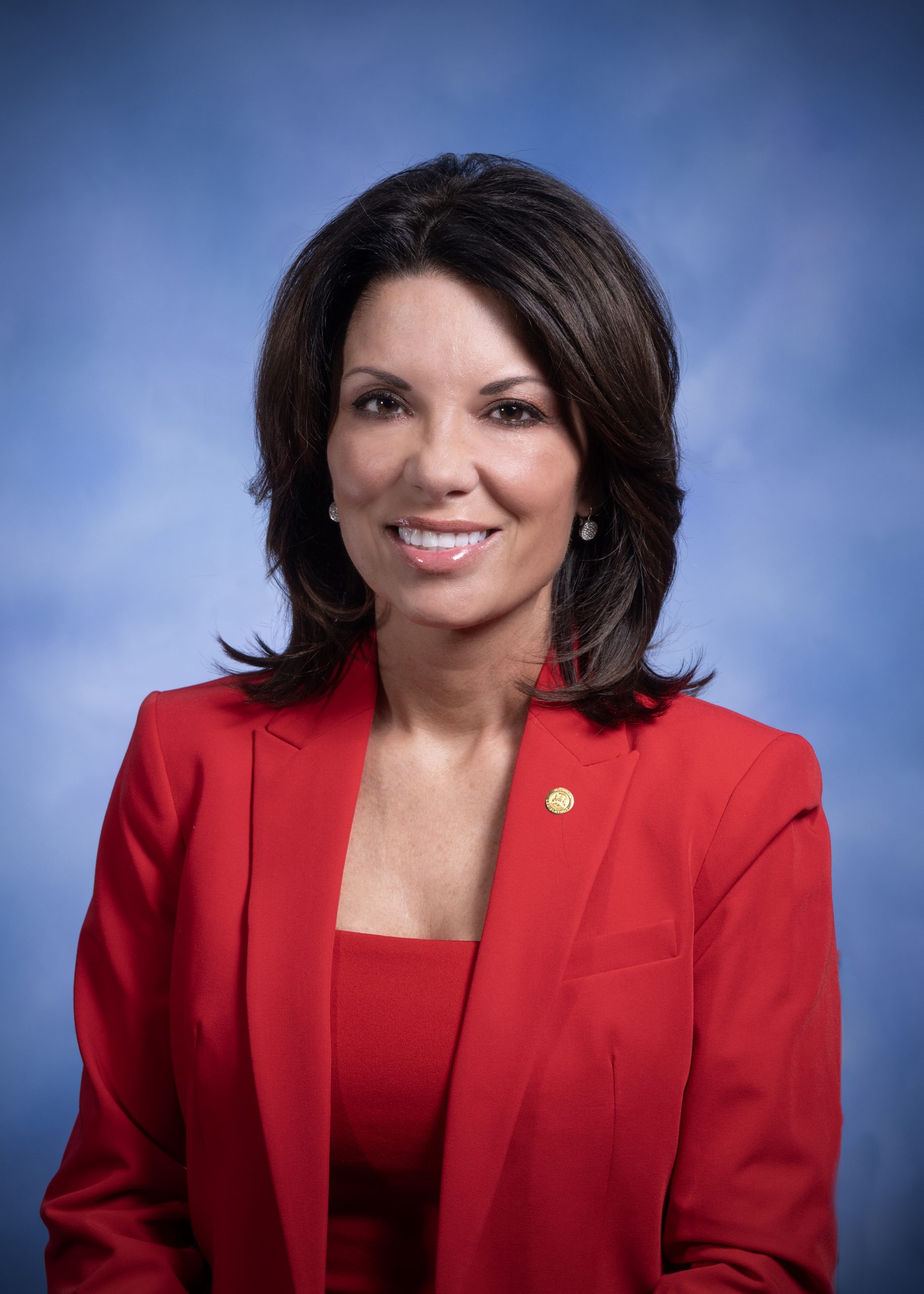
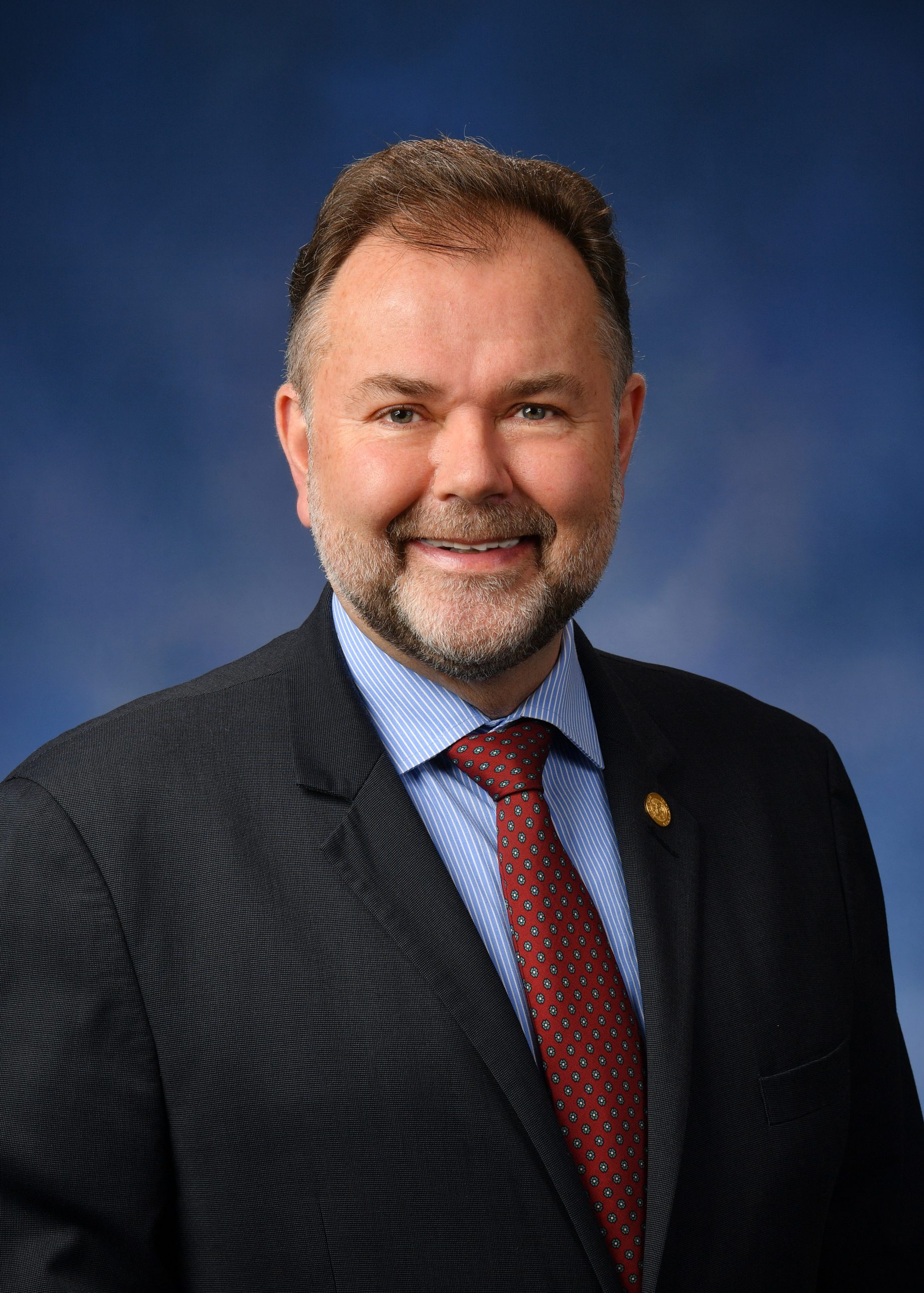
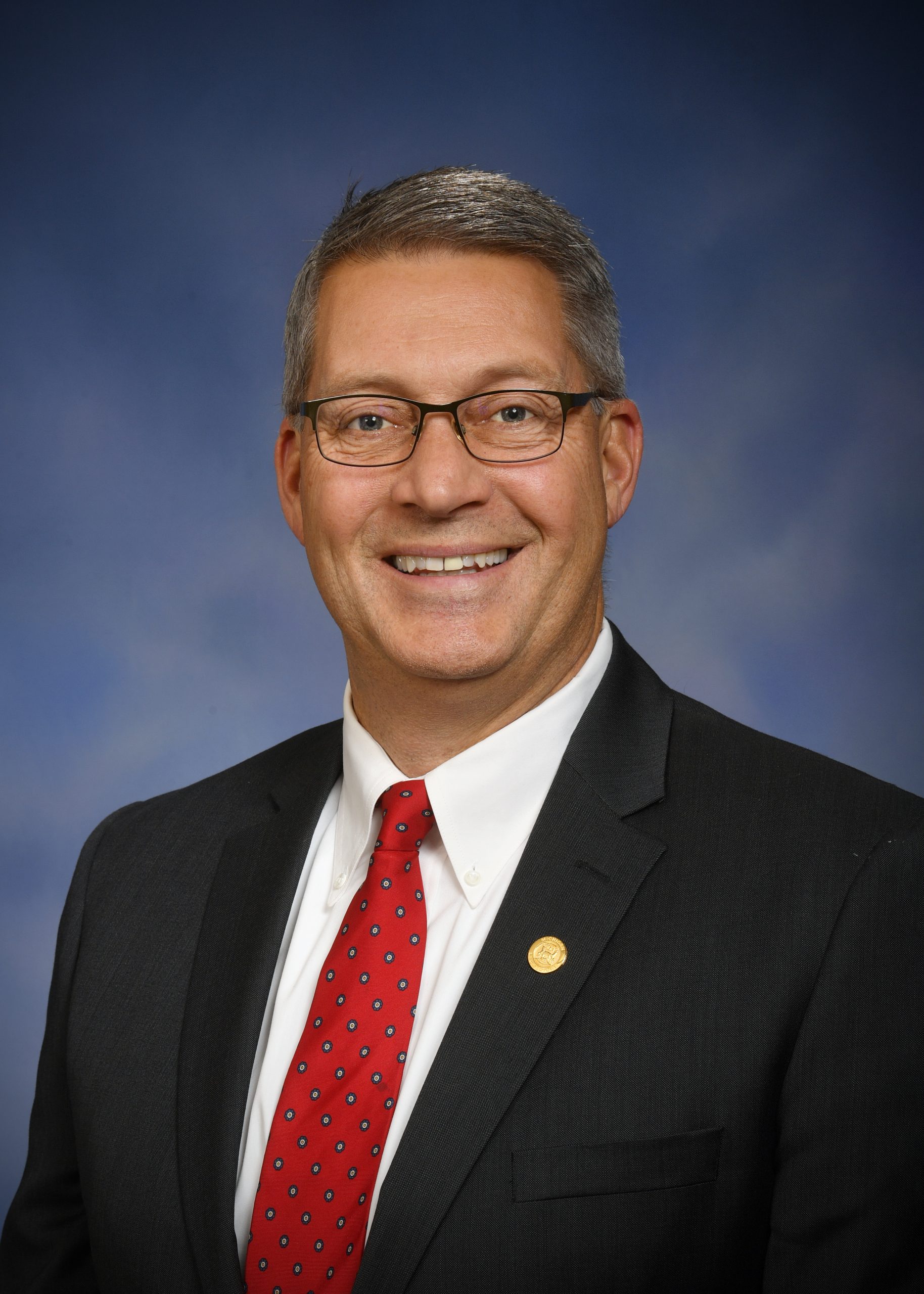
introduced by Representative Rep. Bryan Posthumus
lower
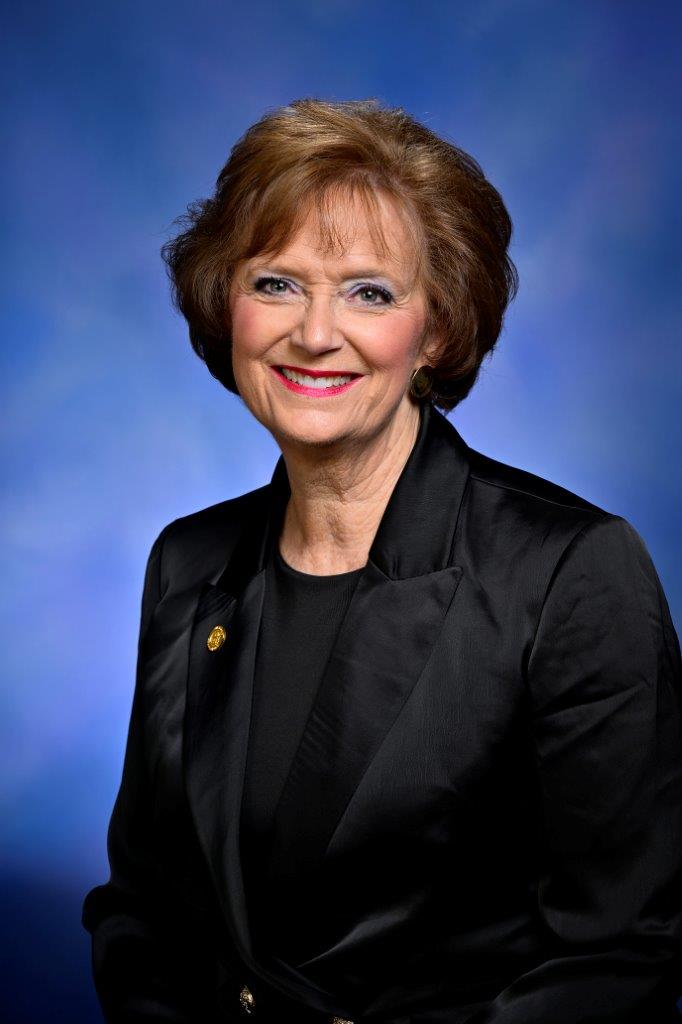
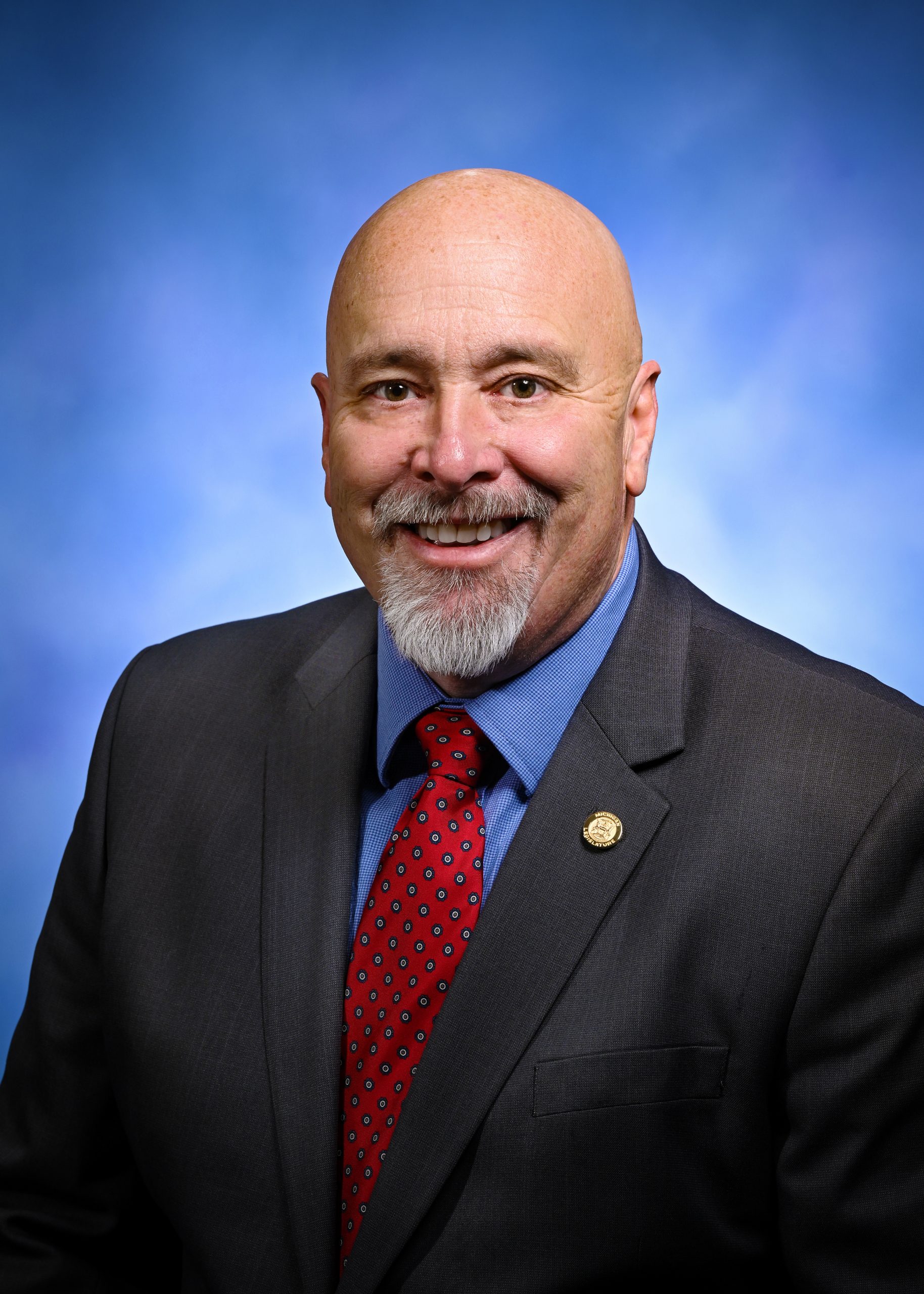
1 primary · 7 co-sponsors
Sponsors



Ask Maddy
·
AI policy assistant
Ask Maddy about HB 4808
Scope: MI
Hi! I can help you understand HB 4808. What would you like to know?
Try one of these
i
Maddy answers using official bill text and legislative records. Always verify before sharing.
Sources cited inline