

Maddy summaryThis bill amends the Fair Labor Standards Act to clarify that direct sellers and qualified real estate agents (as defined under IRS rules) are not considered "employees" under federal labor law. It directly affects these workers by excluding them from FLSA protections like minimum wage and overtime pay. The key provision inserts a new definition into the law, changing how these professions are classified for labor rights purposes. This is a technical definitional change, not a new policy or program.

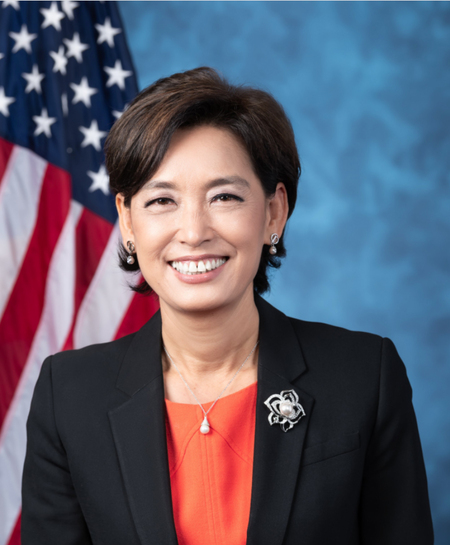
Rep. Young Kim
Sponsored bills
Maddy summaryThe Congressional Pension Accountability Act would strip former members of Congress of their pension eligibility if they are expelled from office or resign following an ethics committee finding of substantial misconduct. This measure directly affects current and future legislators by making their congressional service non-creditable for retirement benefits under both the Civil Service Retirement System and the Federal Employees Retirement System. While affected individuals would receive a refund of their personal contributions, they would forfeit any government-matched funds in their Thrift Savings Plans and would not be required to repay pension benefits already received before the forfeiture took effect. A presidential pardon or commutation of sentence would not restore these lost benefits, and the law applies only to misconduct occurring after its enactment.
Maddy summaryThe Kids Safety on Set Act of 2026 mandates that adults with supervisory roles or frequent private contact with minors on entertainment productions must pass a criminal background check within 90 days before starting work. This check, which costs no more than $100 and is paid by the production company, specifically screens for offenses involving sex, violence, stalking, or minors. If a production employs someone who fails to meet this requirement, the Attorney General can seek a civil penalty of up to twice the cost of that person's project involvement. Additionally, the law requires an immediate halt to all production activities involving the non-compliant employee until they are terminated and stripped of any ownership interest greater than 2 percent in the project.
Maddy summaryThis bill aims to reform the Securities and Exchange Commission by requiring the agency to analyze the costs and benefits of new regulations before issuing them and to conduct regular reviews of their impact. It mandates that the SEC Chairman testify to Congress every six months on the Commission's activities and requires an independent audit of the agency's cybersecurity and information technology systems. Additionally, the legislation transfers the Public Company Accounting Oversight Board to the SEC, establishes a minimum 60-day public comment period for new rules, and clarifies how penalties are calculated for multiple violations. The bill also directs the SEC to streamline its internal organization and consolidate regional offices to improve efficiency.
Maddy summaryThis bill, titled the STOP Payments Fraud Act of 2026, amends federal laws to give banks more flexibility in delaying the availability of funds when they suspect fraud. It allows depository institutions to hold checks and wire transfers for up to 60 days if there is reasonable suspicion that the transaction is false, unauthorized, or fraudulent, rather than following standard expedited release rules. The legislation requires banks to notify customers of these delays and prohibits overdraft fees if the delay is caused by the bank's fraud investigation. Additionally, it permits banks to share information about suspected fraud with other financial institutions to help prevent future issues.
Maddy summaryThis bill clarifies that certain personal services entities owned by registered stockbrokers are not automatically considered "brokers" under securities law, if specific conditions are met. It directly affects registered representatives who own personal services entities (like independent contractor firms) and their brokers. Key provisions require brokers to control payment details, prevent entities from advertising as brokers, maintain written agreements, restrict ownership to the representative or immediate family, and preserve required records for oversight. The change aims to eliminate regulatory confusion for small, representative-owned entities without altering core broker-dealer rules.
Maddy summaryHR 5402, the Credit Access and Inclusion Act of 2025, allows utility and telecommunications companies to report consumers' on-time payment history for services like electricity, gas, and internet to credit bureaus. This directly affects consumers who lack traditional credit histories (e.g., renters or those without credit cards), potentially helping them build credit through consistent utility payments. The bill permits reporting only for payment activity (not usage data), requires companies to honor payment plans without reporting late payments, and gives consumers the right to opt out. It also mandates a GAO study within two years to assess the impact of this reporting on consumer credit scores and access to credit.
Maddy summaryThe Consumer Financial Protection Accountability and Reform Act of 2026 significantly restructures the Bureau of Consumer Financial Protection by subjecting it to the regular federal appropriations process and establishing an independent Inspector General appointed by the President. The bill restricts the Bureau's supervisory authority over banks and credit unions with assets under $30 billion, allowing these institutions to elect to remain under their existing prudential regulators instead. It also introduces a safe harbor for small-dollar loans of $3,500 or less that meet specific structural requirements, shielding compliant lenders from civil money penalties and private damages. Additionally, the legislation creates federal standards for earned wage access services, requiring providers to offer a no-cost option for early wage access and prohibiting them from treating these services as credit or debt under federal law.
Maddy summaryH.Res. 1497 is a House resolution that commemorates the fifth anniversary of the Abbey Gate bombing, in which 13 U.S. servicemembers were killed during the withdrawal from Afghanistan. The bill lists the names of the fallen soldiers and formally condemns the Biden-Harris administration for what it describes as dereliction of duty and the forfeiture of military property to the Taliban. It asserts that the withdrawal was a disastrous failure that ignored security warnings and left Americans at risk, while also criticizing the lack of accountability from officials involved in the decision-making process.
This bill designates the facility of the United States Postal Service located at 15642 Sand Canyon Avenue in Irvine, California, as the "Mary Kageyama Nomura Post Office Building".