

Maddy summaryThis bill establishes a federal program to address the invasive golden mussel, which threatens water infrastructure and ecosystems. It directs the Task Force to develop a demonstration program focused on research, control methods, and early warning systems for infested areas like the Sacramento-San Joaquin Delta, with a $15 million annual funding authorization from 2026-2030. Key provisions include grants for developing technologies to remove mussels from water intakes, pipelines, and boat hulls, plus guidelines for watercraft inspections to prevent spread. The program requires collaboration with states, ports, and research institutions to share control strategies and coordinate efforts.

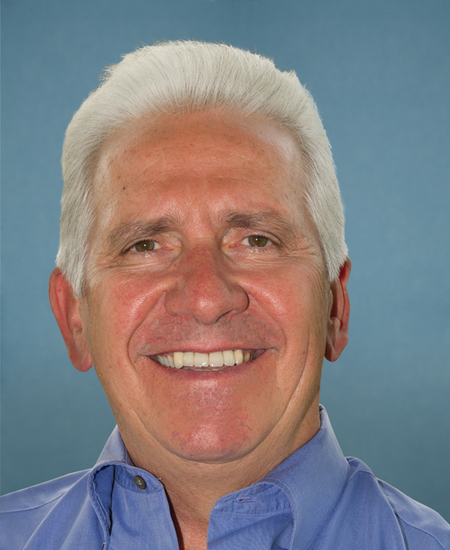
Rep. Jim Costa
Sponsored bills
Maddy summaryThe Rooting Out Mislabeled Agriculture Act directs the Department of Agriculture to create and maintain a database of isotopic signatures for processing tomatoes, modeled after an existing system used to detect cotton grown with forced labor in China. This scientific fingerprinting technique analyzes specific ratios of elements like hydrogen and carbon to identify the geographic origin of tomato products sold as paste or mixed into other foods. The bill requires the agency to conduct research on improving these testing methods and coordinate with U.S. Customs and Border Protection to apply the data during import inspections. Additionally, the Secretary of Agriculture must submit a report to Congress within two years detailing the database's establishment, research results, and recommendations for further action.
Maddy summaryThe SBA Spanish Resource Report Act requires the Small Business Administration administrator to submit a detailed report to Congress within 180 days of enactment. This report must inventory existing Spanish-language resources and services, including websites, application materials, and customer support, as well as those provided by partner organizations like small business development centers. The document also mandates an analysis of usage data, associated costs for translation and outreach, and operational considerations for delivering these services. While the bill requires a public report and a subsequent briefing to congressional committees, it explicitly states that this action does not force the agency to create, expand, or cut any specific Spanish-language programs.
Maddy summaryHR 5267, the American Franchise Act, clarifies when franchisors can be considered joint employers of franchisee employees under federal labor laws. It defines "substantial direct and immediate control" over essential employment terms like wages, benefits, hours, hiring, and discipline - requiring franchisors to actively set these terms to be deemed joint employers. The bill explicitly excludes routine brand standards, training, or minimal safety requirements from constituting such control. This directly affects franchisors and franchisees by limiting joint employer liability to cases where franchisors exert significant, ongoing influence over core employment decisions. The law applies prospectively to new cases after enactment, not past disputes.
Maddy summaryThis bill amends the Fair Labor Standards Act to clarify that direct sellers and qualified real estate agents (as defined under IRS rules) are not considered "employees" under federal labor law. It directly affects these workers by excluding them from FLSA protections like minimum wage and overtime pay. The key provision inserts a new definition into the law, changing how these professions are classified for labor rights purposes. This is a technical definitional change, not a new policy or program.
Maddy summaryThe El Salvador TPS Act of 2026 requires the Secretary of Homeland Security to grant Temporary Protected Status (TPS) to individuals from El Salvador. This designation would remain in effect until a date 18 months after September 9, 2026. The bill directly affects eligible residents of El Salvador by providing them with legal protection and work authorization during this specified period.
Maddy summaryThe 9-8-8 Community Infrastructure Act authorizes $1 billion in grants for capital projects at health centers and crisis response facilities. Eligible recipients include federally funded health centers, tribal organizations, and specialized non-hospital facilities that provide 24/7 mental health and substance use crisis services. Funds may be used for construction, renovation, expansion, or loan repayment to improve these infrastructure sites. The bill specifically defines eligible crisis facilities as those offering stabilization beds, sliding-scale payment options, and no-wrong-door admission without rejecting patients based on ability to pay or other factors.
Maddy summaryThe Data BRIDGE Act requires the Federal Communications Commission (FCC) to update its national broadband map within 180 days of enactment by adding agricultural areas as a dedicated layer. This change will directly affect the FCC, USDA, state governments, and broadband providers by incorporating agricultural land data into the map used to identify broadband coverage gaps. The bill mandates the FCC to consult with the USDA, Commerce Department, states, and other stakeholders to integrate existing agricultural data into the map. The goal is to improve accuracy in identifying broadband needs in rural farming communities, though it does not directly fund infrastructure.
Maddy summaryThe Hands Off Our Great Lakes Act prohibits the President and federal officials from changing the official names of Lake Superior, Lake Michigan, Lake Huron, Lake Erie, or Lake Ontario. The bill specifically nullifies Executive Order 14422, which had renamed Lake Ontario to Lake America, and bans any further attempts to alter these geographic names through similar executive actions. Additionally, it forbids the use of federal funds to implement or enforce the revoked order or any comparable measures.
National Law Enforcement Officers Remembrance, Support and Community Outreach Act. [ sic ] This bill temporarily directs the Department of the Interior to award a grant to the National Law Enforcement Officers Memorial Fund for the expenses associated with operating and enhancing the community outreach, public education, and officer safety and wellness programs of the National Law Enforcement Museum.