Stop Institutional Child Abuse Act
What changed between versions
The Federal Work Group on Youth Residential Programs is entirely eliminated. This was a standing body of 9 federal agency representatives tasked with developing a national database, risk assessment tools, training resources, and best practice recommendations.
The study scope expanded from 7 items to 16, adding requirements to identify the nature, prevalence, severity, and scope of child abuse, neglect, and deaths; identify risk assessment tools; recommend education and training resources for professionals; recommend community-based alternatives; recommend innovative programs for at-risk youth (mentorship, crisis intervention, in-home treatment); and identify aggregate process and outcome data including length of stay, restraint use, and post-discharge outcomes.
The National Academies study now requires an initial report within 3 years of enactment followed by reports every 2 years for a total period of 10 years. The original version required only a single report within 3 years.
Report submission changed from direct delivery to five congressional committees (Senate HELP, Finance; House Education and Workforce, Energy and Commerce, Ways and Means) to submission to the Secretary for dissemination to relevant State agencies and public availability.
The consultation list expanded from 14 to 24 entities, adding parents of children with intellectual disabilities and autism, State educational agencies, local educational agencies, the National Council on Disability, and individually listing six federal agencies (ACF, ACL, SAMHSA, DOJ, IHS, CMS) as required consultants.
The definition of youth residential program exclusion for foster family homes was restructured to require both 24-hour substitute care with State placement responsibility AND State licensing and regulation, making the two conditions explicitly conjunctive. The hospital exclusion changed from 'licensed by the State' to 'licensed by a State.'
How they voted
Actions timeline
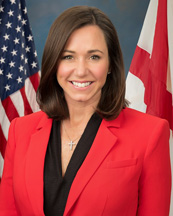
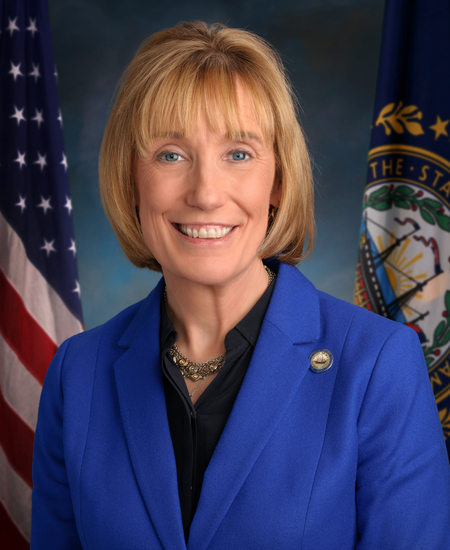
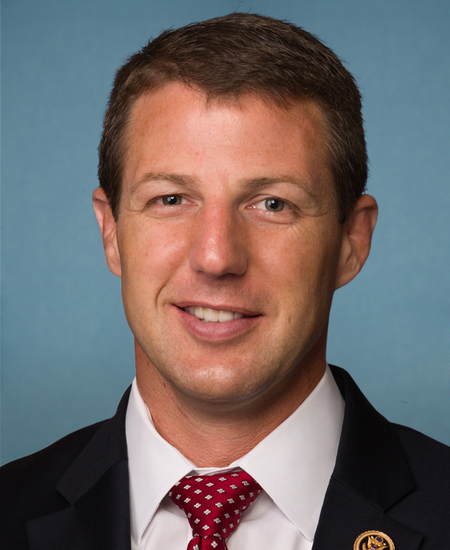
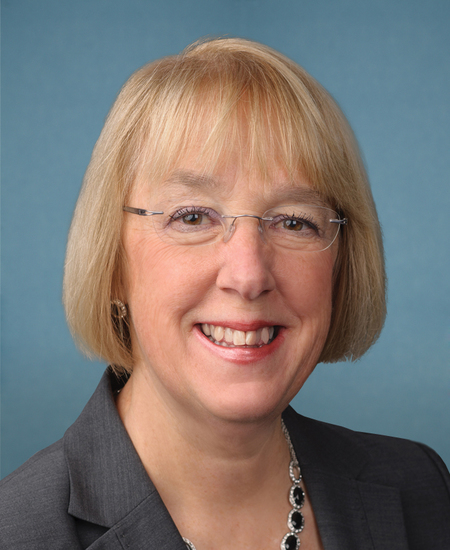
Sponsors