Weather Act Reauthorization Act of 2023
What changed between versions
Five new sections added: Sec. 115 (National Landslide Preparedness Act reauthorization), Sec. 116 (Amendments to Harmful Algal Bloom and Hypoxia Research and Control Act of 1998), Sec. 209 (Reanalysis and reforecasting), Sec. 210 (National Weather Service workforce), and Sec. 507 (Precipitation forecast improvement program).
Tsunami warning program geographic scope expanded to include the Arctic Ocean in addition to the Pacific and Atlantic Oceans, and responsibility of warning centers broadened to cover United States territories and international entities the Administrator determines appropriate.
Interagency Council for Advancing Meteorological Services significantly expanded with new functions including identifying and prioritizing meteorological research needs, leveraging Earth system science outcomes from NOAA/NASA, facilitating private sector partnerships, and maintaining a data inventory of meteorological observations with annual solicitations from private sector entities for five years.
Uncrewed activities section expanded to explicitly include 'stationary and mobile commercial observing systems, such as uncrewed aircraft and marine systems' for atmospheric and ocean observations.
Tsunami Warning and Education Act annual authorization doubled from $15,000,000 to $30,000,000 for each of fiscal years 2024 through 2028, with new allocation requirements: at least 27 percent for State-level activities under the national tsunami hazard mitigation program and at least 8 percent for the tsunami research program.
New tsunami warning alert level evaluation requirement: the Administrator must evaluate terminology, timing, and effectiveness of alert levels with social scientists, emergency personnel, and high-risk communities, and update the system if necessary.
New fail-safe warning capability requirement for tsunami warning centers, including at least one service backup drill biannually.
New reporting requirement: within 180 days of enactment and annually thereafter, the Administrator must brief Congress on progress toward standardizing tsunami products and procedures, migrating to AWIPS or successor systems, organizational alignment, and expected completion timeline.
New research and development plan requirement for tsunami detection and forecasting: initial plan within 12 months of enactment, updated every 36 months, in consultation with the Interagency Council for Advancing Meteorological Services.
Multi-year contracts for computing infrastructure now require an unfunded contingent liability in the event of cancellation, and the scope was broadened to include 'operations' alongside research and development.
Tsunami program now requires incorporation of the Global Navigation Satellite System (GNSS) network into operational conditions, with real-time data stream support from NSF, NASA, and USGS networks, and integration of tsunami notifications into the USGS Earthquake Early Warning System where practicable.
A satellite-related deadline in section 110 (subsection f(1)) extended from 2023 to 2030.
Hurricane forecast improvement program terminology broadened from 'rapid intensification' to 'rapid intensity change,' which encompasses both intensification and weakening events.
Computing resources section now references section 10601 of the Inhofe NDAA for FY2023 (15 U.S.C. 8512a) to ensure public accessibility of community weather research modeling systems and shared innovations.
How they voted
Actions timeline
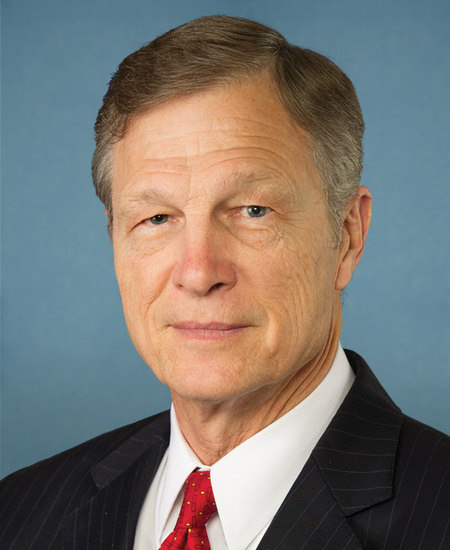
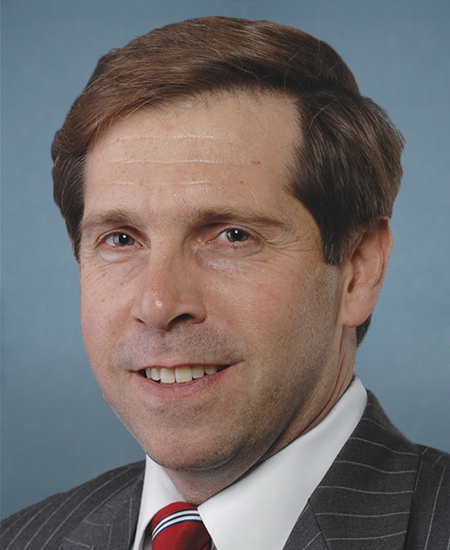
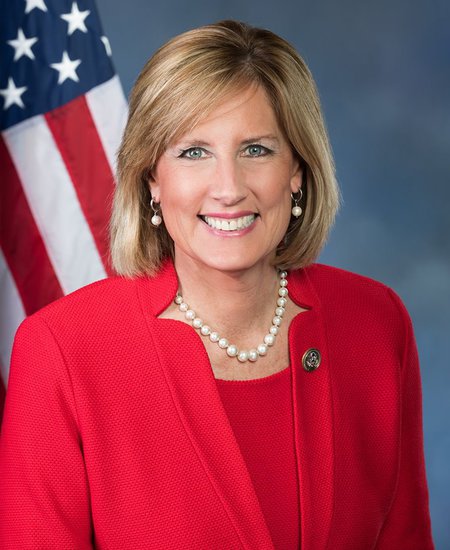
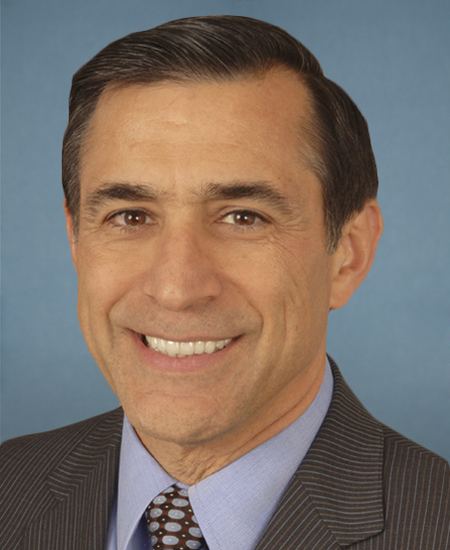
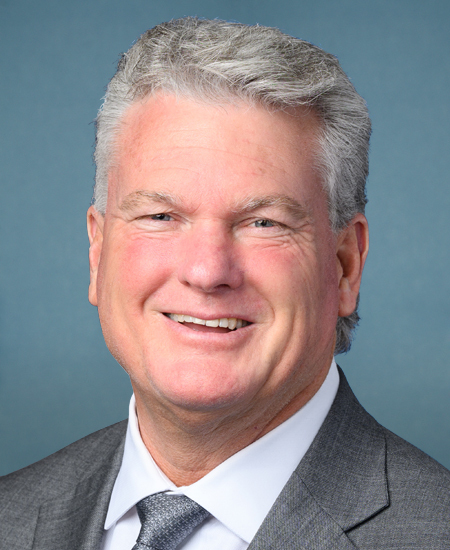
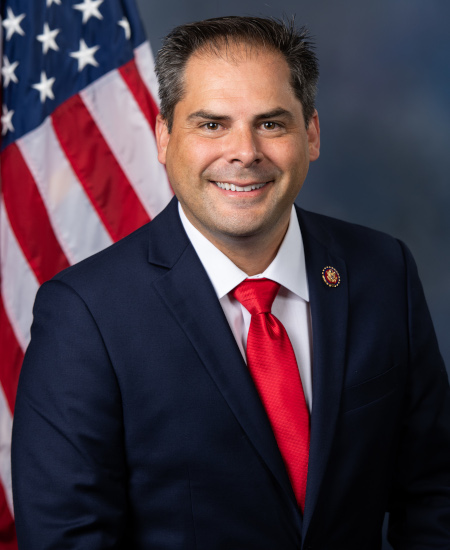
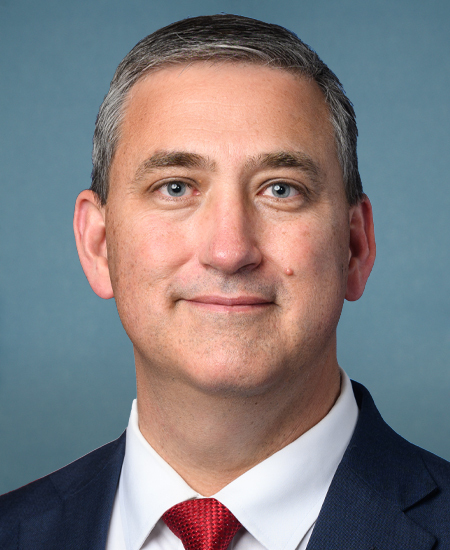
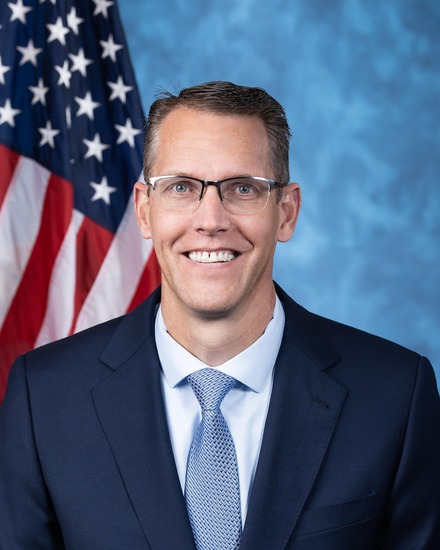
Sponsors