

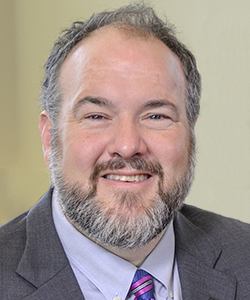
Photo of Luke Clippinger
D Maryland House · District 46 On the 2026 ballot

Rep. Luke Clippinger

Compare
Total votes
11,914
all sessions
Attendance
99%
128 missed
Near the chamber average
With party
99%
of cast votes
Higher than 87% of chamber peers
Bipartisan score
0%
crosses aisle rarely
Lower than 88% of chamber peers
Sponsored
295
bills & resolutions
Lower than 99% of chamber peers
Committees
4
assignments
295 bills and resolutions

Sponsored bills

Total
295
Primary
141
Co-sponsor
154
This page
295
matching current filters
Primary HB 1425
Signed into law · Maryland House · Lead sponsor
Baltimore City - Alcoholic Beverages Licenses - Revisions

Maddy summaryHB 1425 revises Baltimore City's rules for alcohol license holders by removing the September 30 deadline for paying a $120 fee to sell alcohol on certain Sundays (Thanksgiving to New Year's Day) and extending the annual deadline for submitting proof of paid personal property taxes from October 30 to March 30. It directly affects bars and restaurants holding Class A beer and light wine or Class A beer, wine, and liquor licenses in Baltimore City. The bill amends specific sections of Maryland law to change these timing requirements without altering the fees or sales restrictions. This is a procedural update focused on administrative deadlines, not new policy.

Signed into law May 26, 2026 0 co-sponsors
Primary HB 998
Signed into law · Maryland House · Lead sponsor
Baltimore City – Alcoholic Beverages – 46th Alcoholic Beverages District

Maddy summaryHB 998 modifies Baltimore City's alcohol licensing rules. It authorizes the transfer of a specific Class B-D-7 license from the 40th district (Washington Boulevard) to the 46th district (South High Street), and allows establishments in the 46th district to serve donated alcohol at nonprofit events held on their premises under strict conditions. The bill also extends the expiration date for a license at Eastern Avenue until July 1, 2027, to facilitate renewal and transfer to a new location. These changes apply only to designated areas within Baltimore City's 46th alcoholic beverages district.

Signed into law May 26, 2026 0 co-sponsors
Primary HB 999
Signed into law · Maryland House · Lead sponsor
Alcoholic Beverages - Class 9 Limited Distillery License - Alteration

Maddy summaryHB 999 modifies Maryland's Class 9 limited distillery license rules. It allows license holders to produce, rectify, or bottle multiple brands of alcoholic beverages (instead of only one brand at a time) and removes the 31,000-gallon annual limit for manufacturing or rectifying products for other entities. This directly affects small distilleries operating under Class D or Class B retail licenses who hold a Class 9 distillery license. The bill maintains the existing 100,000-gallon annual production cap for their own products but eliminates the previous restriction on volume for other brands/entities. The changes take effect July 1, 2026.

Signed into law May 26, 2026 0 co-sponsors
Primary HB 22
Passed · Maryland House · Lead sponsor
Correctional Services - Incarcerated Individuals - Identification Cards, Driver's Licenses, and Birth Certificates

Maddy summaryHB 22 requires Maryland correctional facilities to return valid photo ID cards or driver's licenses to incarcerated individuals at release if they entered custody with them. It also mandates state corrections officials to help inmates obtain birth certificates and Social Security cards before release, with written consent required. Facilities must work with inmates six months before release (for those serving 1+ year sentences) to ensure they have valid ID or driver's licenses available upon release. The bill takes effect October 1, 2026, and explicitly states it cannot delay release.

Passed Mar 24, 2026 0 co-sponsors
Primary HB 1480
Passed · Maryland House · Lead sponsor
Labor Law - Child Labor Penalties, Private Sector Employee Labor Relations, and State Employee Labor Standards

Maddy summaryHB 1480 strengthens child labor protections by prohibiting minors from working in specific hazardous occupations (like manufacturing hazardous substances, construction, or operating machinery) and imposing civil penalties of up to $10,000 for employers who violate these rules. It also creates a new process allowing private sector employees to petition the Public Employee Relations Board to resolve workplace disputes, while banning employers from supporting organizations exempt from federal labor law (like the National Labor Relations Act). Additionally, the bill prohibits state agencies in the Executive Branch from seeking federal waivers of the Fair Labor Standards Act. These changes directly affect employers, private employees, and state government entities in Maryland.

Passed Mar 23, 2026 0 co-sponsors
Primary HB 932
In committee · Maryland House · Lead sponsor
Maryland Transit Administration - Fifth Bus Division Facility - Construction

Maddy summaryHB 932 requires the Maryland Transit Administration (MTA) to complete construction of its fifth bus division facility by June 30, 2032. The bill directly affects the MTA, mandating it to identify necessary funding in the 2027-2033 Consolidated Transportation Program to ensure the facility is operational by the deadline. Key provisions include a fixed completion date and annual funding planning requirements for the MTA’s capital budget. This bill does not alter service operations but sets a concrete timeline and funding process for a new infrastructure project.

In committee Feb 20, 2026 0 co-sponsors
Primary HB 1114
In committee · Maryland House · Lead sponsor
HIV Prevention Drugs - Prescribing, Dispensing, and Insurance Coverage

Maddy summaryHB 1114 allows pharmacists to prescribe and dispense HIV prevention drugs (PrEP) to patients under specific guidelines, expanding access beyond traditional doctor visits. It requires Maryland's Medicaid program (Medical Assistance Program) to cover FDA-approved HIV prevention drugs, including PrEP and PEP (post-exposure prophylaxis), starting January 1, 2027. The bill also prohibits insurers and managed care organizations from requiring prior authorization, step therapy, or cost-sharing for these medications. This directly affects pharmacists, Medicaid recipients, and health insurers by removing financial and administrative barriers to HIV prevention care. The policy aligns with CDC guidelines for PrEP and PEP use, ensuring coverage for medically appropriate HIV prevention drugs.

In committee Feb 11, 2026 0 co-sponsors
Primary HB 1209
In committee · Maryland House · Lead sponsor
Conversion Therapy - Prohibitions and Causes of Action

Maddy summaryHB 1209 prohibits licensed mental health providers from offering conversion therapy or making false claims about it, directly affecting providers and helping victims who suffered psychological harm. The bill creates a private legal cause of action for individuals harmed by conversion therapy, removes limits on noneconomic damages in such cases, and extends the statute of limitations to account for delayed recognition of harm. It also requires insurers covering providers who perform conversion therapy to charge a surcharge, with funds going to a new "Conversion Therapy Surcharge Fund." These changes aim to provide legal recourse and financial accountability for the psychological injuries linked to conversion therapy.

In committee Feb 11, 2026 0 co-sponsors
Primary HB 840
In committee · Maryland House · Lead sponsor
Property Tax - Credit for Commercial Buildings Rented to Small Businesses

Maddy summaryHB 840 would allow Baltimore City and local Maryland counties or municipalities to create a property tax credit for commercial buildings rented to small businesses. This credit applies only to buildings located in designated Arts and Entertainment Districts (under Title 4, Subtitle 7 of the Economic Development Article) or Main Street Maryland Communities (designated by the Department of Housing and Community Development). Local governments would set the credit amount, duration, eligibility rules, and application process. The bill takes effect June 1, 2026, for tax years beginning after June 30, 2026.

In committee Feb 5, 2026 0 co-sponsors
Primary HB 511
In committee · Maryland House · Lead sponsor
Catalytic Revitalization Project Tax Credit - Alterations

Maddy summaryHB 511 increases Maryland's catalytic revitalization tax credit rate from 20% to 25% of eligible rehabilitation costs for qualifying projects and raises the annual credit cap from $15 million to $35 million, with annual inflation adjustments based on the Washington metropolitan area's consumer price index. It defines eligible projects as the rehabilitation of historic properties formerly owned by government or large, substantially vacant commercial properties (minimum 250,000 square feet and $50 million investment) in designated economic development areas like Main Street Maryland communities. The credit applies to individuals, nonprofits, and businesses for four consecutive years (for single-phase projects) or in full upon completion (for phased projects). This directly affects property owners and developers seeking to revitalize underutilized commercial or historic properties in targeted communities.

In committee Jan 27, 2026 0 co-sponsors
Showing 1 to 10 of 295 bills
1 2 3 30 Next