

Sewage Sludge - Per- and Polyfluoroalkyl Substances - Regulation
HB 925 establishes limits on per- and polyfluoroalkyl substances (PFAS) in sewage sludge applied to land, prohibiting use if PFAS levels exceed specific thresholds after a set date. It directly affects sewage sludge generators (like wastewater treatment facilities), industrial users discharging PFAS, and local jurisdictions managing sludge. Key provisions include mandatory PFAS monitoring in sludge, requirements for industrial pretreatment standards when PFAS levels exceed action levels, and rules allowing limited blending of sludge from multiple sources. The bill also authorizes local fees for industrial dischargers and updates regulations for safe land application practices.
Bill status
signed
all 5 stages cleared
Introduction
Feb 2026
Committee Review
Apr 2026
House of Delegates Passage
Apr 2026
Senate Passage
Apr 2026
Signed into Law
Apr 2026
Introduced Feb 5, 2026
Signed Apr 28, 2026
Maddy AI version diff · 1 comparison
What changed between versions
First - Sewage Sludge - Per- and Polyfluoroalkyl Substances - Regulation
→
Third - Sewage Sludge - Per- and Polyfluoroalkyl Substances - Regulation
·
4 edits
MODERATE
The bill's metadata was updated to reflect its progression from first to third reading, including the addition of sponsors and a favorable committee report. Substantively, the bill's scope was narrowed by removing references to blending sewage sludge from multiple sources and reorganizing the statutory text. The definitions for 'sewage' and 'sewage sludge' were preserved, while the regulatory requirements for the Department of the Environment were renumbered and slightly reordered to align with the new structure.
Scope change
The bill's scope was reduced by removing the authorization for blending sewage sludge from multiple sources. The applicability of the remaining provisions remains focused on regulating per- and polyfluoroalkyl substances in sewage sludge.
TIMELINE
Updated bill metadata to show progression from first to third reading, adding new sponsors and a favorable committee report.
SCOPE
Removed the authorization for a person to blend sewage sludge from multiple sources for a specific purpose.
TECHNICAL
Reorganized the bill's structure, moving the repeal of existing law to the beginning and renumbering sections to align with the new format.
DEFINITION
Reordered the definitions within the statute, keeping the definitions for 'sewage' and 'sewage sludge' but integrating them into a new section layout.
Floor votes · Senate Mar 20, 2026 · House of Delegates Mar 11, 2026
How they voted
45–0
Passed · 4 other
Total votes 49
Mar 20, 2026
D
Democratic36
88% Yea
R
Republican13
100% Yea
Vote distribution
All Yea
All Nay
Mixed
No data
Full legislative history
Actions timeline
Total actions
15
Key actions
10
Committee
6
Apr 28, 2026
Signed into law
Approved by the Governor - Chapter 330
executive
Apr 9, 2026
Lower · Passed
Returned Passed
lower
Apr 8, 2026
Upper · Passed
Third Reading Passed
upper
Apr 7, 2026
Upper · Passed
Favorable Adopted
upper
Apr 6, 2026
Upper · Passed
Favorable Report by Education, Energy, and the Environment
upper
Mar 23, 2026
Committee
Referred Education, Energy, and the Environment
upper
Mar 23, 2026
Lower · Passed
Third Reading Passed
lower
Mar 21, 2026
Lower · Passed
Favorable with Amendments {
lower
Mar 21, 2026
Lower · Passed
Favorable with Amendments Report by Environment and Transportation
lower
Mar 20, 2026
Senate · Passed
Senate Vote: pass (45-0-4)
senate
Mar 11, 2026
House Of Delegates · Passed
House of Delegates Vote: pass (131-7-4)
house of delegates
Feb 5, 2026
Committee
First Reading Environment and Transportation and Health
lower
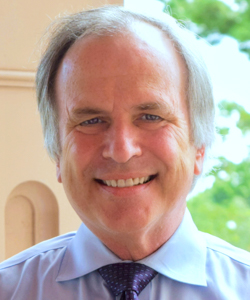
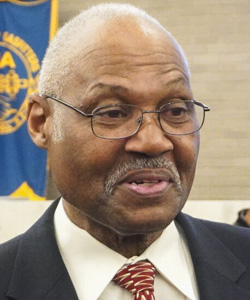
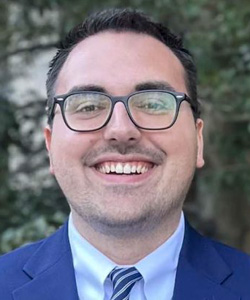
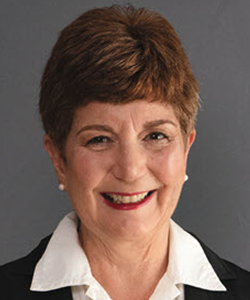
7 primary · 0 co-sponsors
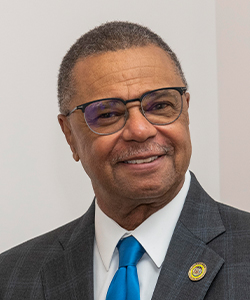
Sponsors


Ask Maddy
·
AI policy assistant
Ask Maddy about HB 925
Scope: MD
Hi! I can help you understand HB 925. What would you like to know?
Try one of these
i
Maddy answers using official bill text and legislative records. Always verify before sharing.
Sources cited inline