

Police Training - Autism and Dementia (LEAD Act of 2026)
HB 634 (LEAD Act of 2026) requires Maryland police training programs to include specific instruction on interacting with individuals with dementia or autism. It directly affects all entrance-level and in-service police training curricula across state, county, and municipal departments. Key provisions mandate training in six areas: locating wandering individuals, searching near water, sensory-aware approaches, reunification, documentation, and interagency coordination. The law amends Maryland's Public Safety Code to add these requirements, effective October 1, 2026. It focuses on practical, life-saving protocols rather than broader policy changes.
Bill status
signed
all 5 stages cleared
Introduction
Jan 2026
Committee Review
Apr 2026
House of Delegates Passage
Apr 2026
Senate Passage
Apr 2026
Signed into Law
May 2026
Introduced Jan 30, 2026
Signed May 26, 2026
Maddy AI version diff · 1 comparison
What changed between versions
First - Police Training - Autism and Dementia (LEAD Act of 2026)
→
Third - Police Training - Autism and Dementia (LEAD Act of 2026)
·
4 edits
MODERATE
The bill was amended to expand the required police training curriculum to include individuals with intellectual and developmental disabilities alongside those with dementia and autism. The sponsors were also updated to reflect new co-sponsors, and the bill was formally adopted by the House with a favorable committee report.
Scope change
The scope of required training was broadened to explicitly include intellectual and developmental disabilities in addition to dementia and autism.
REQUIREMENT
The training curriculum requirements were updated to include individuals with intellectual and developmental disabilities, dementia, and autism, expanding the previous scope which only mentioned dementia and autism.
TECHNICAL
The list of bill sponsors was updated to include additional names (Cardin, Phillips, Stinnett, Moreno, Simpson, Moon, and Conaway) and corrected a duplicate entry for Young.
The bill header was updated to indicate it is now a 'Chapter' rather than 'A BILL ENTITLED', reflecting its adoption status.
The committee report status was added, noting the bill was adopted by the House and read a second time.
Floor votes · House of Delegates Mar 5, 2026
How they voted
This bill passed the Senate by voice vote (no roll call recorded).
Full legislative history
Actions timeline
Total actions
13
Key actions
9
Committee
6
May 26, 2026
Signed into law
Approved by the Governor - Chapter 658
executive
Apr 13, 2026
Lower · Passed
Returned Passed
lower
Apr 13, 2026
Upper · Passed
Third Reading Passed
upper
Apr 8, 2026
Upper · Passed
Favorable Adopted Second Reading Passed
upper
Apr 8, 2026
Upper · Passed
Favorable Report by Judicial Proceedings
upper
Mar 19, 2026
Committee
Referred Judicial Proceedings
upper
Mar 18, 2026
Lower · Passed
Third Reading Passed
lower
Mar 17, 2026
Lower · Passed
Favorable with Amendments {
lower
Mar 16, 2026
Lower · Passed
Favorable with Amendments Report by Judiciary
lower
Mar 5, 2026
House Of Delegates · Passed
House of Delegates Vote: pass (134-0-8)
house of delegates
Jan 30, 2026
Committee
First Reading Judiciary
lower
32 primary · 0 co-sponsors
Sponsors
Role
Legislator
Party
State
District
P

Aaron Kaufman
DDemocratic
P

Adrian Boafo
DDemocratic
P
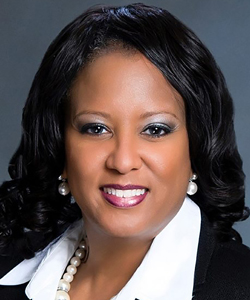
Andrea Harrison
DDemocratic
P

Bernice Mireku-North
DDemocratic
P

Caylin Young
DDemocratic
P

David Moon
DDemocratic
P
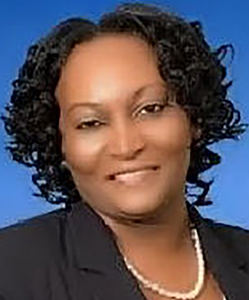
Diana Fennell
DDemocratic
P

Frank Conaway
DDemocratic
P

Gabriel Moreno
DDemocratic
P

Gary Simmons
DDemocratic
P

Greg Wims
DDemocratic
P
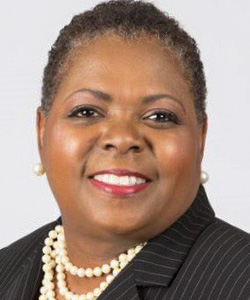
Jamila Woods
DDemocratic
P
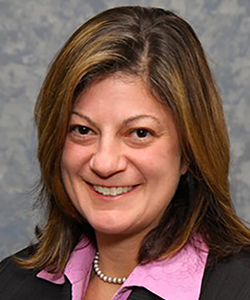
Jen Terrasa
DDemocratic
P

Joe Vogel
DDemocratic
P

Jon Cardin
DDemocratic
P
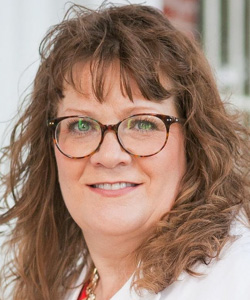
Karen Simpson
DDemocratic
P
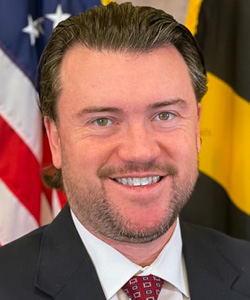
Kevin Hornberger
RRepublican
P
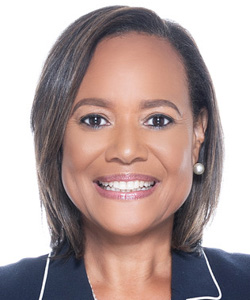
Kym Taylor
DDemocratic
P

Lesley Lopez
DDemocratic
P

Mark Edelson
DDemocratic
P

Marlon Amprey
DDemocratic
P

Nicole Williams
DDemocratic
P

Pam Guzzone
DDemocratic
P

Regina Boyce
DDemocratic
P

Scott Phillips
DDemocratic
P

Sean Stinnett
DDemocratic
P
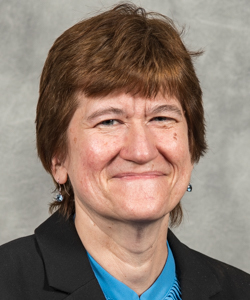
Sheila Ruth
DDemocratic
P

Susan McComas
RRepublican
P

Teresa Woorman
DDemocratic
P
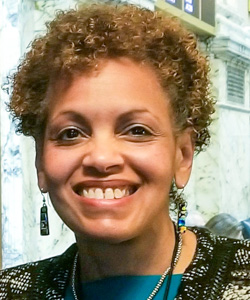
Terri Hill
DDemocratic
P

Vaughn Stewart
DDemocratic
P
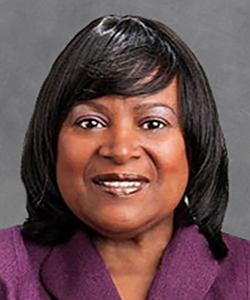
Veronica Turner
DDemocratic
Ask Maddy
·
AI policy assistant
Ask Maddy about HB 634
Scope: MD
Hi! I can help you understand HB 634. What would you like to know?
Try one of these
i
Maddy answers using official bill text and legislative records. Always verify before sharing.
Sources cited inline