

Sales and Use Tax - Precious Metal Bullion or Coins - Exemption
HB 500 removes two requirements that previously limited the sales tax exemption for precious metal bullion and coins. Specifically, it eliminates the $1,000 minimum sale price and the requirement that sales must occur at the Baltimore Convention Center. The bill expands the exemption to cover all qualifying precious metal bullion (refined metal where value depends on metal content) and historically used coins, while still excluding jewelry and art. This change directly affects buyers and sellers of these items by making the exemption available for more transactions without location or price restrictions. The exemption will apply to all qualifying sales starting July 1, 2026.
Bill status
signed
all 5 stages cleared
Introduction
Jan 2026
Committee Review
Apr 2026
House of Delegates Passage
Apr 2026
Senate Passage
Apr 2026
Signed into Law
May 2026
Introduced Jan 27, 2026
Signed May 26, 2026
Maddy AI version diff · 1 comparison
What changed between versions
First - Sales and Use Tax - Precious Metal Bullion or Coins - Exemption
→
Third - Sales and Use Tax - Precious Metal Bullion or Coins - Exemption
·
3 edits
MINOR
The bill was amended to clarify the definition of 'precious metal bullion or coins' by reorganizing the text and adding a note explaining that underlining indicates amendments. The core policy regarding the sales tax exemption remains unchanged, as the specific dollar threshold and location requirements were preserved in the final version despite some text reordering during the markup process.
Scope change
The scope of the exemption remains the same; it still applies to sales over $1,000 at the Baltimore Convention Center.
DEFINITION
The definition section was restructured and renumbered to improve clarity, though the substantive criteria for what qualifies as precious metal bullion or coins remained identical.
TECHNICAL
A new explanatory note was added to clarify that underlining in the bill signifies amendments to the existing law.
Minor text reordering occurred in the purpose statement, but the intent to expand the exemption by removing the $1,000 minimum and location restrictions was maintained in the final enacted language.
Floor votes · Senate Mar 27, 2026 · House of Delegates Mar 24, 2026
How they voted
47–0
Passed · 2 other
Total votes 49
Mar 27, 2026
D
Democratic36
94% Yea
R
Republican13
100% Yea
Vote distribution
All Yea
All Nay
Mixed
No data
Full legislative history
Actions timeline
Total actions
18
Key actions
11
Committee
7
Amendments
1
May 26, 2026
Signed into law
Approved by the Governor - Chapter 729
executive
Apr 13, 2026
Lower · Passed
Returned Passed
lower
Apr 13, 2026
Upper · Passed
Third Reading Passed
upper
Apr 13, 2026
Upper · Passed
Favorable Adopted
upper
Apr 13, 2026
Upper · Passed
Favorable Report by Budget and Taxation
upper
Apr 13, 2026
Committee
Rereferred to Budget and Taxation
upper
Apr 10, 2026
Committee
Referred Rules
upper
Apr 9, 2026
Lower · Passed
Third Reading Passed
lower
Apr 9, 2026
Introduced
Floor Amendment {
lower
Apr 9, 2026
Lower · Passed
Motion Special Order until Later This Session (Delegate Grammer) Adopted
lower
Apr 9, 2026
Lower · Passed
Favorable with Amendments {
lower
Apr 9, 2026
Lower · Passed
Favorable with Amendments Report by Ways and Means
lower
Mar 27, 2026
Senate · Passed
Senate Vote: pass (47-0-2)
senate
Mar 24, 2026
House Of Delegates · Passed
House of Delegates Vote: pass (133-0-9)
house of delegates
Jan 27, 2026
Committee
First Reading Ways and Means
lower
19 primary · 0 co-sponsors
Sponsors
Role
Legislator
Party
State
District
P
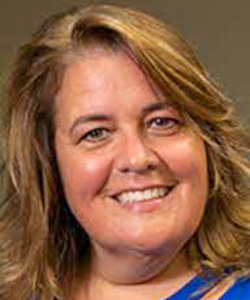
April Miller
RRepublican
P

Barrie Ciliberti
RRepublican
P
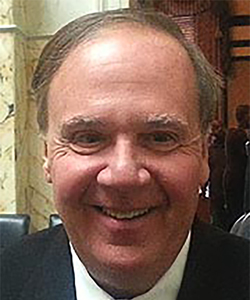
Bob Long
RRepublican
P

Brian Chisholm
RRepublican
P
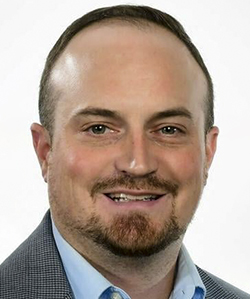
Chris Tomlinson
RRepublican
P

Jason Buckel
RRepublican
P
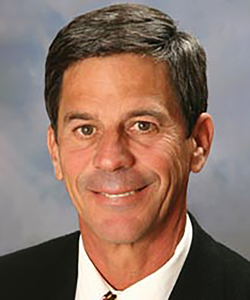
Jay Jacobs
RRepublican
P
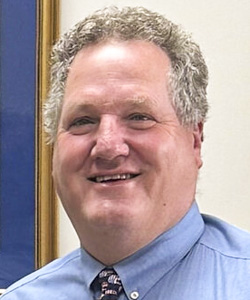
Kevin Anderson
RRepublican
P
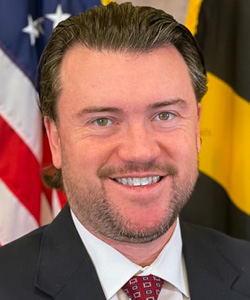
Kevin Hornberger
RRepublican
P
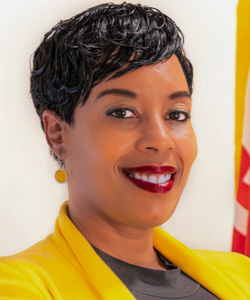
LaToya Nkongolo
RRepublican
P
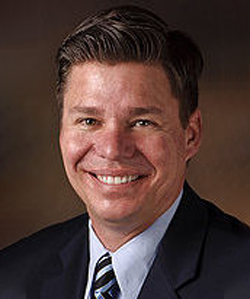
Mark Fisher
RRepublican
P
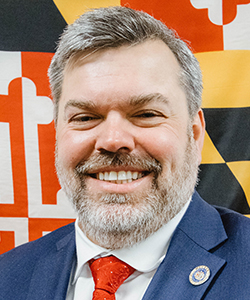
Mike Griffith
RRepublican
P
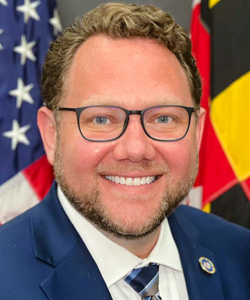
Nic Kipke
RRepublican
P
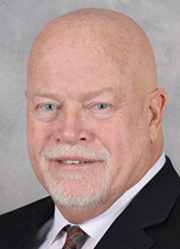
Steve Arentz
RRepublican
P
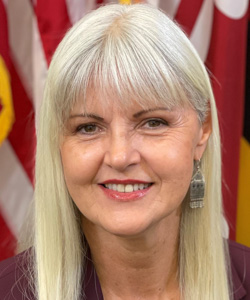
Teresa Reilly
RRepublican
P
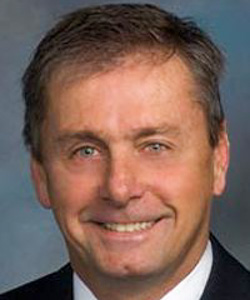
Terry Baker
RRepublican
P
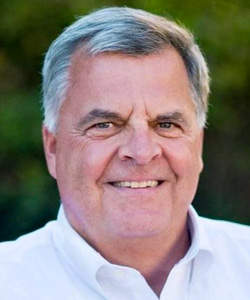
Todd Morgan
RRepublican
P
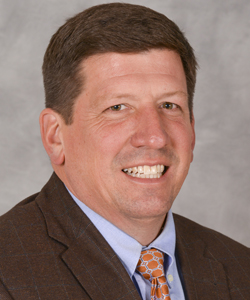
Wayne Hartman
RRepublican
P
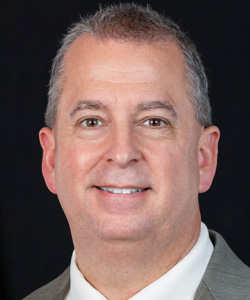
William Valentine
RRepublican
Ask Maddy
·
AI policy assistant
Ask Maddy about HB 500
Scope: MD
Hi! I can help you understand HB 500. What would you like to know?
Try one of these
i
Maddy answers using official bill text and legislative records. Always verify before sharing.
Sources cited inline