

Health Insurance - Scalp Cooling Systems - Required Coverage
HB 393 requires health insurers, nonprofit health plans, HMOs, and managed care organizations in Maryland to cover scalp cooling systems when they provide coverage for chemotherapy treatments for cancer. This applies directly to cancer patients undergoing chemotherapy who use scalp cooling to prevent hair loss, and to the insurers that must now include this coverage. The bill defines scalp cooling systems as medical devices designed for repeated use to preserve hair during cancer treatment. Coverage must be provided for these systems as part of chemotherapy treatment plans, effective January 1, 2027. The law amends Maryland’s Insurance Article (Section 15-864) to mandate this coverage for qualifying health plans.
Bill status
signed
all 5 stages cleared
Introduction
Jan 2026
Committee Review
Mar 2026
House of Delegates Passage
Apr 2026
Senate Passage
Apr 2026
Signed into Law
Apr 2026
Introduced Jan 21, 2026
Signed Apr 14, 2026
Maddy AI version diff · 1 comparison
What changed between versions
First - Health Insurance - Scalp Cooling Systems - Required Coverage
→
Third - Health Insurance - Scalp Cooling Systems - Required Coverage
·
4 edits
MODERATE
The bill progressed from a preliminary draft to a finalized version approved by the Governor, House, and Senate. The substantive policy content regarding the requirement for health insurers to cover scalp cooling systems for cancer patients remains unchanged, but the document now includes official committee approval and signatures from state officials.
Scope change
The bill's scope and applicability are unchanged; it continues to apply to insurers and health plans offering coverage in the state effective January 1, 2027.
TECHNICAL
Added committee report status showing favorable approval and House adoption.
Added signature lines for the Governor, Speaker of the House, and President of the Senate, finalizing the bill.
Reformatted the header to include 'CHAPTER ______' and adjusted line numbers to reflect the new final version.
Updated the explanatory legend to clarify that underlining indicates amendments to the bill text.
Floor votes · House of Delegates Feb 20, 2026
How they voted
This bill passed the Senate by voice vote (no roll call recorded).
Full legislative history
Actions timeline
Total actions
13
Key actions
9
Committee
6
Apr 14, 2026
Signed into law
Approved by the Governor - Chapter 52
executive
Apr 7, 2026
Lower · Passed
Returned Passed
lower
Apr 6, 2026
Upper · Passed
Third Reading Passed
upper
Mar 31, 2026
Upper · Passed
Favorable Adopted Second Reading Passed
upper
Mar 30, 2026
Upper · Passed
Favorable Report by Finance
upper
Feb 27, 2026
Committee
Referred Finance
upper
Feb 26, 2026
Lower · Passed
Third Reading Passed
lower
Feb 24, 2026
Lower · Passed
Favorable Adopted
lower
Feb 23, 2026
Lower · Passed
Favorable Report by Health
lower
Feb 20, 2026
House Of Delegates · Passed
House of Delegates Vote: pass (130-7-5)
house of delegates
Jan 21, 2026
Committee
First Reading Health
lower
22 primary · 0 co-sponsors
Sponsors
Role
Legislator
Party
State
District
P

Anne Kaiser
DDemocratic
P
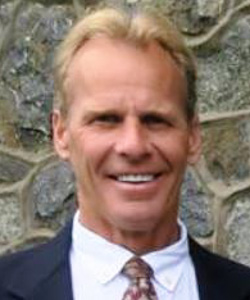
Barry Beauchamp
RRepublican
P

Dylan Behler
DDemocratic
P
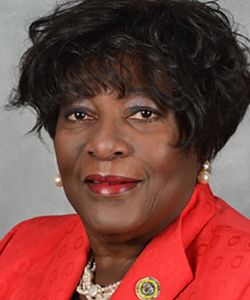
Edith Patterson
DDemocratic
P

Gary Simmons
DDemocratic
P

Greg Wims
DDemocratic
P
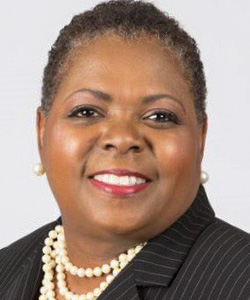
Jamila Woods
DDemocratic
P

Jeff Long
DDemocratic
P

Jessica Feldmark
DDemocratic
P

Joe Vogel
DDemocratic
P
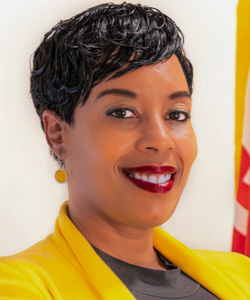
LaToya Nkongolo
RRepublican
P

Nic Kipke
RRepublican
P

Regina Boyce
DDemocratic
P
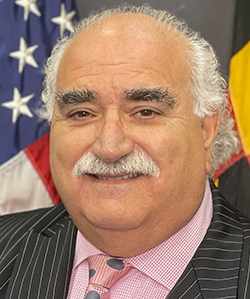
Ric Metzgar
RRepublican
P

Sheree Sample-Hughes
DDemocratic
P

Steve Arentz
RRepublican
P

Stuart Schmidt
RRepublican
P

Susan McComas
RRepublican
P
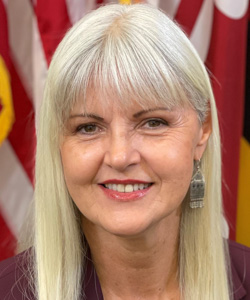
Teresa Reilly
RRepublican
P

Teresa Woorman
DDemocratic
P

Todd Morgan
RRepublican
P
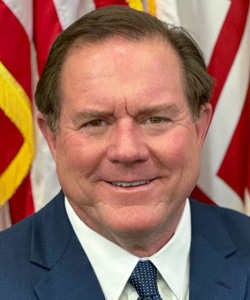
Tom Hutchinson
RRepublican
Ask Maddy
·
AI policy assistant
Ask Maddy about HB 393
Scope: MD
Hi! I can help you understand HB 393. What would you like to know?
Try one of these
i
Maddy answers using official bill text and legislative records. Always verify before sharing.
Sources cited inline