SB 152 Louisiana Senate · 2026 Regular Session

FOOD SAFETY: Prohibits certain actions with respect to cell cultured food products for human consumption. (8/1/26)

SB 152, if enacted, would prohibit the sale, manufacture, distribution, or advertising of cell-cultured food products (defined as animal tissue grown from cells outside the organism) for human consumption in Louisiana. It directly affects food businesses and manufacturers producing or selling these products within the state. The bill establishes civil penalties of up to $500 per violation, with enforcement handled by the commissioner through administrative hearings and potential court actions. This proposed legislation is currently pending referral to the Health and Welfare Committee and has not yet become law.
Bill status signed all 5 stages cleared
Introduction
Feb 2026
Committee Review
May 2026
Senate Passage
May 2026
House Passage
May 2026
Signed into Law
Jun 2026
Introduced Feb 25, 2026 Signed Jun 1, 2026
Maddy AI version diff · 5 comparisons

What changed between versions

Senate Floor Bureau Note, #1455, Fesi, Adopted SB152 Act · 5 edits
MODERATE
The bill was finalized as an Act (Act No. 742) to ban the sale of cell-cultured food products in Louisiana, replacing previous draft amendments with a comprehensive set of new statutes. The final version establishes a clear definition for cell-cultured products, sets civil penalties for violations, and includes a unique condition where the law only becomes effective after a U.S. Supreme Court ruling confirms such bans are constitutional.
Scope change
The bill's scope expanded from a draft proposal to a finalized Act that specifically targets the commercial sale of cell-cultured food products for human consumption, while explicitly exempting accredited higher education institutions from this ban for research purposes.
DEFINITION

Added a specific definition for 'cell cultured food product' as any cultured animal tissue produced from in vitro animal cell cultures outside the organism.

ENFORCEMENT

Established civil penalties of up to $500 per violation and outlined the commissioner's authority to conduct adjudicatory hearings and seek injunctive relief.

TIMELINE

Included a conditional effectiveness clause stating the law only takes effect after a U.S. Supreme Court ruling determines that prohibitions on cell-cultured food products do not violate the U.S. Constitution.

ELIGIBILITY

Created an exemption allowing accredited institutions of higher education to continue conducting research on cell-cultured food products despite the sales ban.

TECHNICAL

Updated statutory references from R.S. 3:4748.1 to 4748.4 to R.S. 3:4750.1 through 4750.5 and changed the chapter designation from Part IV to Part V.
Floor votes · Senate Apr 20, 2026 · House May 26, 2026

How they voted

2611
Passed · 3 other
Total votes 40
Apr 20, 2026
D Democratic12
1 Yea 9 Nay 2
75% Nay
R Republican28
25 Yea 2 Nay 1
89% Yea
Vote distribution
All Yea All Nay Mixed No data
Full legislative history

Actions timeline

Total actions
21
Key actions
5
Committee
4
Amendments
1
May 27, 2026
Upper · Passed
Amendments proposed by the House read and concurred in by a vote of 35 yeas and 0 nays.
upper
May 26, 2026
Lower · Passed
Read third time by title, roll called on final passage, yeas 74, nays 19. The bill, having received two-thirds vote of the elected members, was finally passed, ordered to the Senate.
lower
May 20, 2026
Introduced
Reported without Legislative Bureau amendments.
lower
May 19, 2026
Lower · Passed
Reported with amendments (12-0). Referred to the Legislative Bureau.
lower
Apr 22, 2026
Committee
Read by title, under the rules, referred to the Committee on Health and Welfare.
lower
Apr 20, 2026
Upper · Passed
Senate floor amendments read and adopted. Read by title and passed by a vote of 27 yeas and 9 nays; ordered reengrossed and sent to the House. Motion to reconsider tabled.
upper
Mar 18, 2026
Upper · Passed
Reported with amendments.
upper
Mar 9, 2026
Committee
Introduced in the Senate; read by title. Rules suspended. Read second time and referred to the Committee on Health and Welfare.
upper
1 primary · 7 co-sponsors

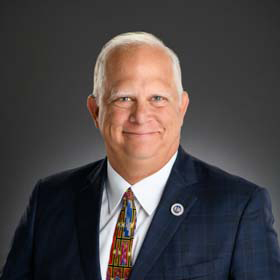
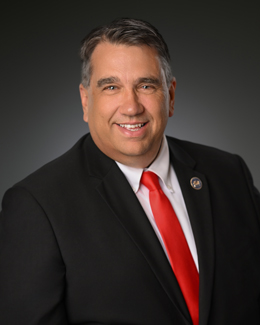
Sponsors