

CRIMINAL/SENTENCING: Changes sentencing guidelines for posting or calling in threats to schools (EN SEE FISC NOTE GF EX)
HB 137 increases penalties for threatening schools by adding a new offense: terrorizing or menacing school property, events, or firearm-free zones. It mandates 5-15 years in prison (no parole) for adults and fines up to $15,000 for such threats. Schools must distribute age-appropriate information about these crimes to students in grades 6+ and their parents annually. Parents or guardians of minors committing these acts face civil fines ($5,000-$10,000), and juvenile courts must consider restitution for response costs.
Bill status
signed
all 5 stages cleared
Introduction
Feb 2026
Committee Review
May 2026
House Passage
May 2026
Senate Passage
May 2026
Signed into Law
Jun 2026
Introduced Feb 13, 2026
Signed Jun 2, 2026
Maddy AI version diff · 3 comparisons
What changed between versions
HB137 Original
→
HB137 Act 619
·
5 edits
MODERATE
This bill significantly increases penalties for threatening schools and expands the definition of improper supervision of minors to include specific acts like terrorizing a school. It also mandates that public schools inform students and parents about these threats during the first five days of the school year.
Scope change
The bill applies to all public schools and expands the age range for 'youth' to include individuals up to 24 years old.
ENFORCEMENT
Penalties for terrorizing a school were increased from a fine up to $15,000 or 5-15 years in prison to a fine up to $15,000 or 15 years in prison without parole, probation, or suspension of sentence.
Penalties for menacing a school were added, allowing for a fine up to $1,000 or 2-5 years in prison.
REQUIREMENT
The definition of 'improper supervision of a minor' was expanded to explicitly include terrorizing or menacing a school and communicating false information about planned bombings.
Public school principals must disseminate information about school terrorizing and menacing to students in grades six and above and their parents during the first five days of the school year.
DEFINITION
The age range for 'youth' was adjusted to mean a person aged 14 to 24.
Floor votes · Senate May 21, 2026 · House Mar 30, 2026
How they voted
29–7
Passed · 4 other
Total votes 40
May 21, 2026
D
Democratic12
50% Nay
R
Republican28
85% Yea
Vote distribution
All Yea
All Nay
Mixed
No data
Full legislative history
Actions timeline
Total actions
22
Key actions
5
Committee
5
May 27, 2026
Lower · Passed
Read by title, roll called, yeas 72, nays 21. The Senate amendments, having received two-thirds vote of the elected members, were concurred in.
lower
May 21, 2026
Upper · Passed
Rules suspended. Senate floor amendments read and adopted. Read by title, passed by a vote of 29 yeas and 6 nays, and ordered returned to the House. Motion to reconsider tabled.
upper
May 13, 2026
Committee
Read by title and referred to the Legislative Bureau.
upper
May 12, 2026
Upper · Passed
Reported favorably.
upper
Mar 30, 2026
Lower · Passed
Read third time by title, roll called on final passage, yeas 71, nays 26. The bill, having received two-thirds vote of the elected members, was finally passed, title adopted, ordered to the Senate.
lower
Mar 24, 2026
Lower · Passed
Reported with amendments (11-0).
lower
Mar 9, 2026
Committee
Read by title, under the rules, referred to the Committee on Administration of Criminal Justice.
lower
Feb 13, 2026
Committee
Under the rules, provisionally referred to the Committee on Administration of Criminal Justice.
lower
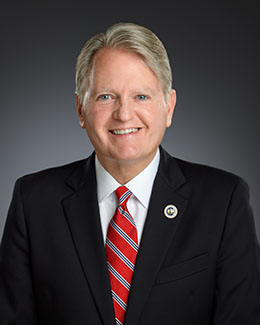
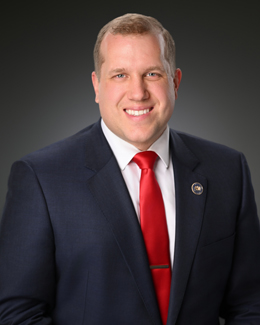
1 primary · 1 co-sponsor
Sponsors
Ask Maddy
·
AI policy assistant
Ask Maddy about HB 137
Scope: LA
Hi! I can help you understand HB 137. What would you like to know?
Try one of these
i
Maddy answers using official bill text and legislative records. Always verify before sharing.
Sources cited inline