SB 285 Indiana Senate · 2026 Regular Session

Housing matters.

Summary
Requires the Indiana housing and community development authority (authority) to establish eligibility criteria for a potential recipient to be included in the authority's application for funding under the federal continuum of care program (program). Requires a recipient of program funding to submit an annual report to the authority. Defines "gravely disabled" for purposes of involuntary commitment. Prohibits an individual from camping, sleeping, or using for long term shelter land owned by the state or a political subdivision, unless the land has been authorized for that use by law. Requires a law enforcement officer who discovers a person unlawfully using land owned by the state or a political subdivision for unlawful camping, sleeping, or long term shelter to determine if there are reasonable grounds for an emergency detention of the person, and, if reasonable grounds exist, to proceed under the emergency detention procedure and not the criminal law. Provides that, if there are not grounds for emergency detention and certain elements are met, a person who knowingly or intentionally uses land owned by the state or a political subdivision for unauthorized camping, sleeping, or long term shelter commits a Class C misdemeanor. Creates a defense to the crime if: (1) no beds are available in a shelter or treatment facility located within five miles; or (2) less than six months have passed since the person was released from a facility to which the person was involuntarily committed. Prohibits a political subdivision from adopting or enforcing any policy that prohibits or discourages the enforcement of any order or ordinance prohibiting public camping, sleeping, or other obstruction of a sidewalk. Requires: (1) each local law enforcement agency to provide to the state police department the number of arrests made for violations of the prohibition of street camping; and (2) the state police department to provide this information to the authority. Specifies that the bill does not prohibit a policy, program, or order of a political subdivision that encourages a diversion program or encourages or requires providing housing or shelter in lieu of a citation or arrest. Makes technical corrections.
Bill status signed all 5 stages cleared
Introduction
Jan 2026
Committee Review
Feb 2026
Senate Passage
Feb 2026
House Passage
Feb 2026
Signed into Law
Mar 2026
Introduced Jan 12, 2026 Signed Mar 5, 2026
Maddy AI version diff · 5 comparisons

What changed between versions

Senate Bill (S) Senate Bill (H) · 5 edits
MODERATE
The bill was updated from a Senate version to its final House-engrossed version, adding the House sponsors and updating the legislative history. Substantively, the bill now clarifies that law enforcement should attempt emergency detention for unsheltered individuals rather than immediately issuing citations, and it adds a specific legal definition for 'gravely disabled' to guide involuntary commitment proceedings.
Scope change
The bill's scope was expanded to include a formal definition of 'gravely disabled' under mental health statutes, which determines when an individual can be involuntarily detained for treatment.
DEFINITION

Added a specific legal definition for 'gravely disabled' to clarify when an individual with mental illness is in danger of harm due to an inability to meet basic needs or a lack of fixed shelter.

ENFORCEMENT

Changed the enforcement protocol for street camping violations to require law officers to first determine if there are grounds for emergency detention before considering criminal charges.

REQUIREMENT

Added a requirement for law enforcement to assess reasonable grounds for emergency detention when discovering unauthorized camping, sleeping, or long-term shelter use on state or local land.

TECHNICAL

Updated the bill title from 'Senate Bill' to 'Engrossed Senate Bill' and added House sponsors to reflect the final legislative version.

Corrected a citation in the digest from 'IC 35-52' to 'IC 12-26' to accurately reflect the mental health statutes involved in the new provisions.

Floor votes · Senate Jan 28, 2026 · House Feb 24, 2026

How they voted

2918
Passed · 1 other
Total votes 48
Jan 28, 2026
D Democratic9
9 Nay
100% Nay
R Republican39
29 Yea 9 Nay 1
74% Yea
Vote distribution
All Yea All Nay Mixed No data
Full legislative history

Actions timeline

Total actions
34
Key actions
12
Committee
2
Amendments
9
Mar 5, 2026
Signed into law
Signed by the Governor
executive
Feb 27, 2026
Lower · Passed
Signed by the Speaker
lower
Feb 27, 2026
Upper · Passed
Signed by the President Pro Tempore
upper
Feb 27, 2026
Upper · Passed
Signed by the President of the Senate
upper
Feb 26, 2026
Upper · Passed
Senate concurred with House amendments; Roll Call 303: yeas 28, nays 22
upper
Feb 24, 2026
Lower · Passed
Third reading: passed; Roll Call 359: yeas 53, nays 44
lower
Feb 23, 2026
Amended
Amendment #1 (Pierce M) failed; Roll Call 333: yeas 31, nays 62
lower
Feb 23, 2026
Amended
Amendment #5 (Gore) failed; voice vote
lower
Feb 23, 2026
Lower · Passed
Amendment #3 (Zimmerman) prevailed; voice vote
lower
Feb 23, 2026
Lower · Passed
Amendment #2 (Zimmerman) prevailed; voice vote
lower
Feb 19, 2026
Lower · Passed
Committee report: amend do pass, adopted
lower
Jan 28, 2026
Upper · Passed
Third reading: passed; Roll Call 129: yeas 29, nays 19
upper
Jan 26, 2026
Amended
Amendment #5 (Taylor G) failed; voice vote
upper
Jan 26, 2026
Amended
Amendment #4 (Pol) failed; voice vote
upper
Jan 26, 2026
Amended
Amendment #2 (Pol) failed; voice vote
upper
Jan 26, 2026
Upper · Passed
Amendment #6 (Carrasco) prevailed; voice vote
upper
Jan 26, 2026
Amended
Amendment #3 (Pol) failed; voice vote
upper
Jan 15, 2026
Upper · Passed
Committee report: amend do pass, adopted
upper
3 primary · 3 co-sponsors

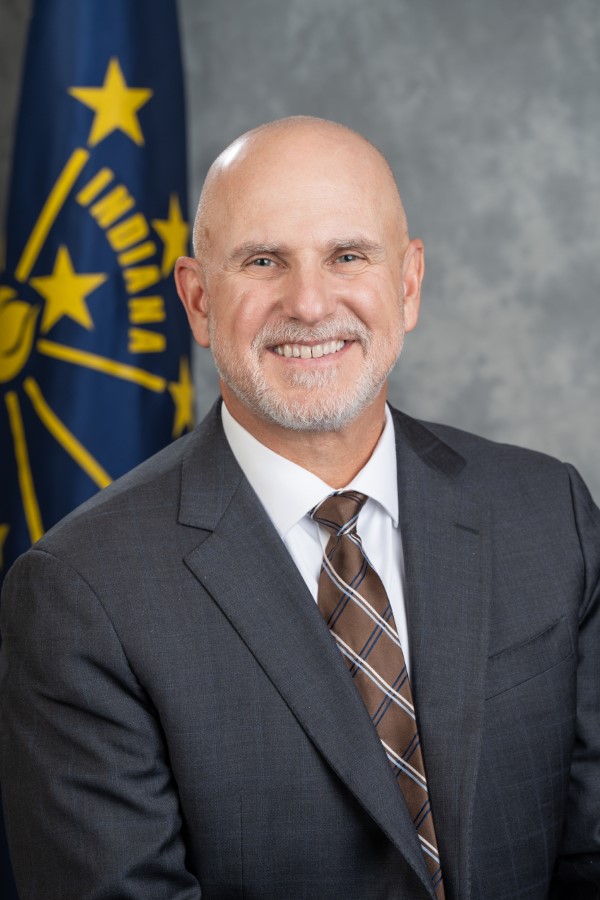
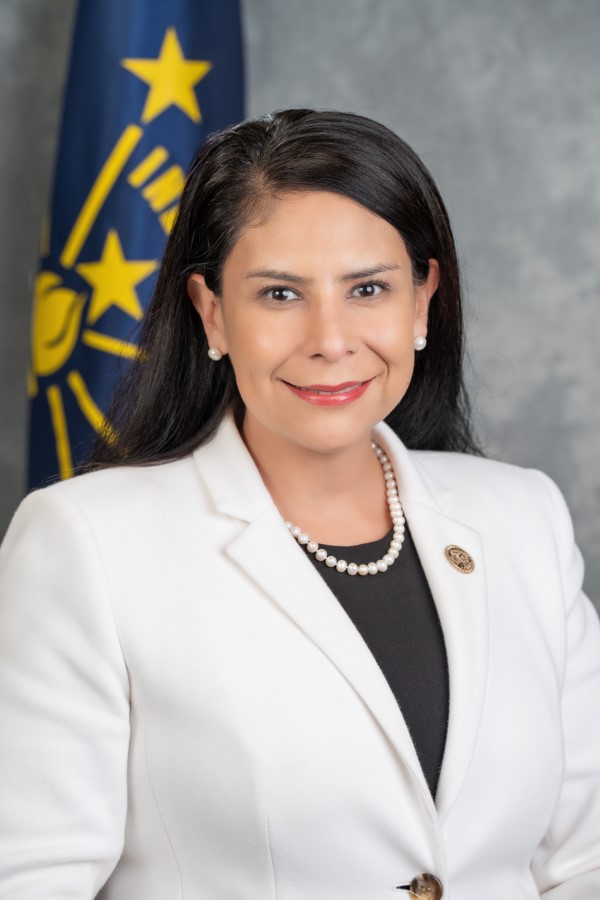
Sponsors