

INSPECT program.
Summary
Sets forth the circumstances in which a dispenser is not required to transmit certain information to the INSPECT program (program). Requires an opioid treatment program to, before reporting patient information to the program, comply with federal regulations in obtaining patient consent. Allows the board of pharmacy to disclose prescription drug monitoring program data to a representative of the Indiana department of health and the office of the secretary of family and social services for specified purposes.
Bill status
signed
all 5 stages cleared
Introduction
Jan 2026
Committee Review
Feb 2026
Senate Passage
Feb 2026
House Passage
Feb 2026
Signed into Law
Mar 2026
Introduced Jan 8, 2026
Signed Mar 5, 2026
Maddy AI version diff · 3 comparisons
What changed between versions
Enrolled Senate Bill (S)
→
Senate Bill (S)
·
4 edits
MODERATE
SB 262 updates the Indiana Code to clarify who counts as a 'dispenser' under the INSPECT prescription monitoring program and expands who can access confidential drug data. The bill adds a specific exemption for veterinary practitioners dispensing controlled substances and broadens the list of government officials who can receive patient data for investigations.
Scope change
The bill expands the scope of the INSPECT program by including veterinary practitioners in the definition of dispensers and adding the Office of the Secretary of Family and Social Services as an entity authorized to receive confidential data.
ELIGIBILITY
Veterinary practitioners are now explicitly included as dispensers who must report controlled substance transactions to the INSPECT program.
ENFORCEMENT
The Office of the Secretary of Family and Social Services is added to the list of entities authorized to receive confidential prescription data for investigations.
DEFINITION
The definition of 'dispense' was amended to clarify that it does not apply to drugs administered directly to a patient or those dispensed by veterinary practitioners within a 72-hour supply limit.
REQUIREMENT
The bill reorganized the statute to align with the latest legislative session, updating references and clarifying the transmission of data requirements.
Floor votes · Senate Jan 28, 2026 · House Feb 23, 2026
How they voted
47–0
Passed · 1 other
Total votes 48
Jan 28, 2026
D
Democratic9
100% Yea
R
Republican39
97% Yea
Vote distribution
All Yea
All Nay
Mixed
No data
Full legislative history
Actions timeline
Total actions
22
Key actions
10
Committee
2
Amendments
1
Mar 5, 2026
Signed into law
Signed by the Governor
executive
Feb 27, 2026
Lower · Passed
Signed by the Speaker
lower
Feb 27, 2026
Upper · Passed
Signed by the President Pro Tempore
upper
Feb 27, 2026
Upper · Passed
Signed by the President of the Senate
upper
Feb 25, 2026
Upper · Passed
Senate concurred with House amendments; Roll Call 287: yeas 47, nays 0
upper
Feb 23, 2026
Lower · Passed
Third reading: passed; Roll Call 312: yeas 94, nays 0
lower
Feb 17, 2026
Lower · Passed
Committee report: amend do pass, adopted
lower
Jan 28, 2026
Upper · Passed
Third reading: passed; Roll Call 127: yeas 48, nays 0
upper
Jan 26, 2026
Upper · Passed
Amendment #2 (Crider) prevailed; voice vote
upper
Jan 15, 2026
Upper · Passed
Committee report: amend do pass, adopted
upper
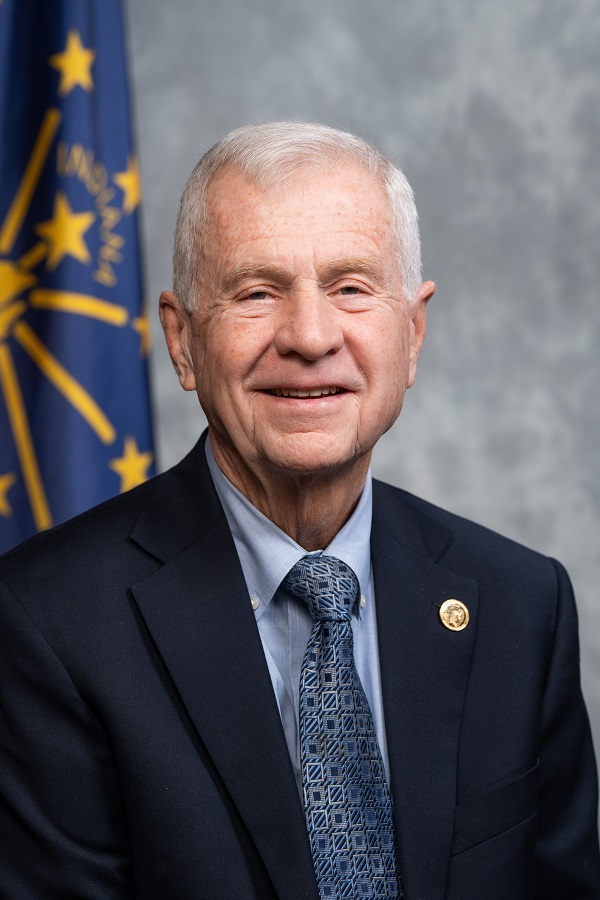
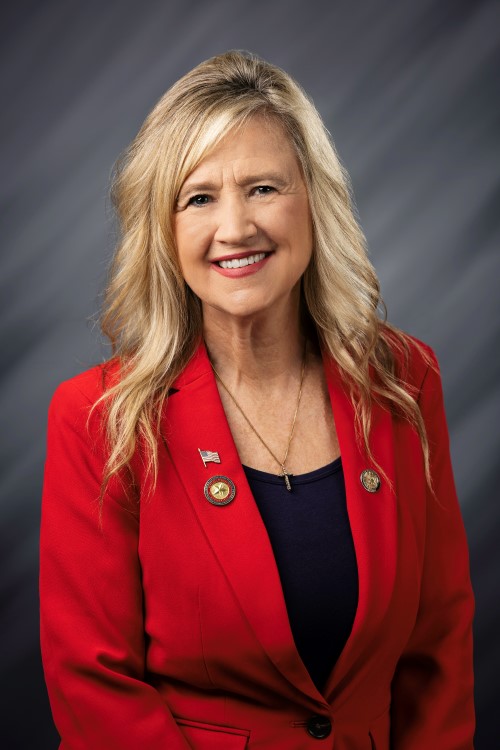
3 primary · 2 co-sponsors
Sponsors


Ask Maddy
·
AI policy assistant
Ask Maddy about SB 262
Scope: IN
Hi! I can help you understand SB 262. What would you like to know?
Try one of these
i
Maddy answers using official bill text and legislative records. Always verify before sharing.
Sources cited inline