

Causes of action and damages.
HB 1417 establishes a commission to study tort reform and limits civil lawsuits related to public nuisances, such as environmental harm or neighborhood disturbances. It directly affects communities and businesses that could face or file such lawsuits, potentially reducing legal challenges over shared community issues. The bill creates a formal process for the commission to review and recommend changes to civil lawsuit rules. This legislation passed the Senate with 61 votes in favor and 34 against.
Bill status
passed
3 of 5 stages cleared
Introduction
Jan 2026
Committee Review
Feb 2026
House Passage
Feb 2026
Senate Passage
Governor
Introduced Jan 8, 2026
Last action Feb 19, 2026
Maddy AI version diff · 1 comparison
What changed between versions
Introduced House Bill (H)
→
House Bill (S)
·
4 edits
MODERATE
The bill was significantly rewritten to remove protections for Transportation Network Companies (like Uber and Lyft) and instead focus on limiting public nuisance lawsuits and capping attorney fees. The new version clarifies that local laws cannot be overridden by this bill and sets a $100,000 cap on legal fees if a plaintiff rejects a settlement offer.
Scope change
The bill's scope shifted from protecting TNC drivers from liability and limiting nuisance suits to primarily regulating public nuisance actions and attorney fee awards.
ELIGIBILITY
Removed the provision that prohibited riders from suing Transportation Network Companies (TNCs) for injuries caused by drivers or during rides.
REQUIREMENT
Changed the public nuisance rules to allow local administrative codes to remain in effect unless they conflict with the bill's specific provisions.
FISCAL
Added a cap of $100,000 on attorney fees, costs, and expenses if a recipient rejects a qualified settlement offer and receives a less favorable judgment.
DEFINITION
Reorganized the definitions of 'public nuisance' and 'unlawful condition' and added new rules limiting the number of lawsuits that can be filed against the same defendant.
Floor votes · House Feb 2, 2026
How they voted
61–33
Passed · 5 other
Total votes 99
Feb 2, 2026
D
Democratic29
96% Nay
I
Independent1
100% Yea
R
Republican69
86% Yea
Vote distribution
All Yea
All Nay
Mixed
No data
Full legislative history
Actions timeline
Total actions
12
Key actions
3
Committee
2
Amendments
1
Feb 19, 2026
Upper · Passed
Committee report: amend do pass, adopted
upper
Feb 2, 2026
Lower · Passed
Third reading: passed; Roll Call 187: yeas 61, nays 34
lower
Jan 29, 2026
Amended
Amendment #1 (Campbell) motion withdrawn voice vote
lower
Jan 27, 2026
Lower · Passed
Committee report: amend do pass, adopted
lower
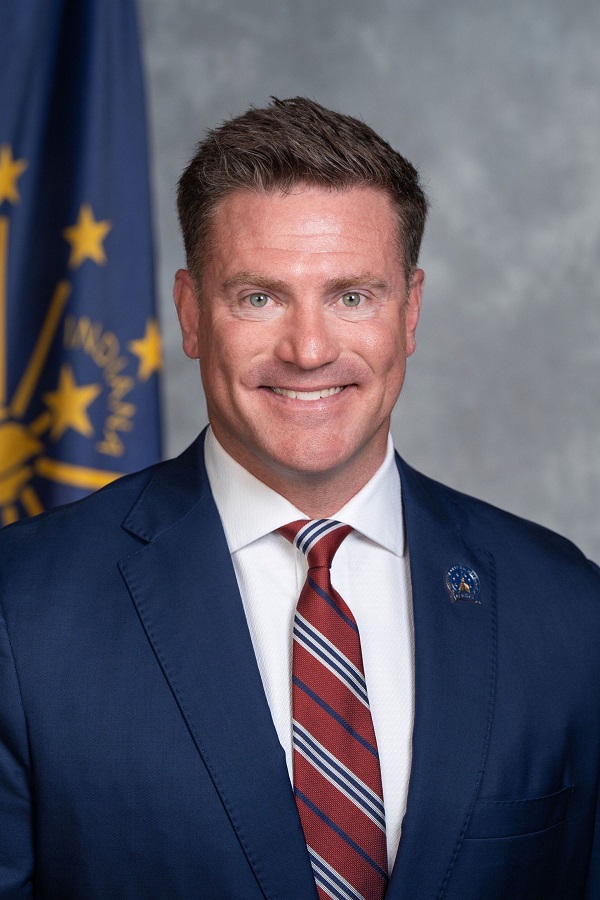
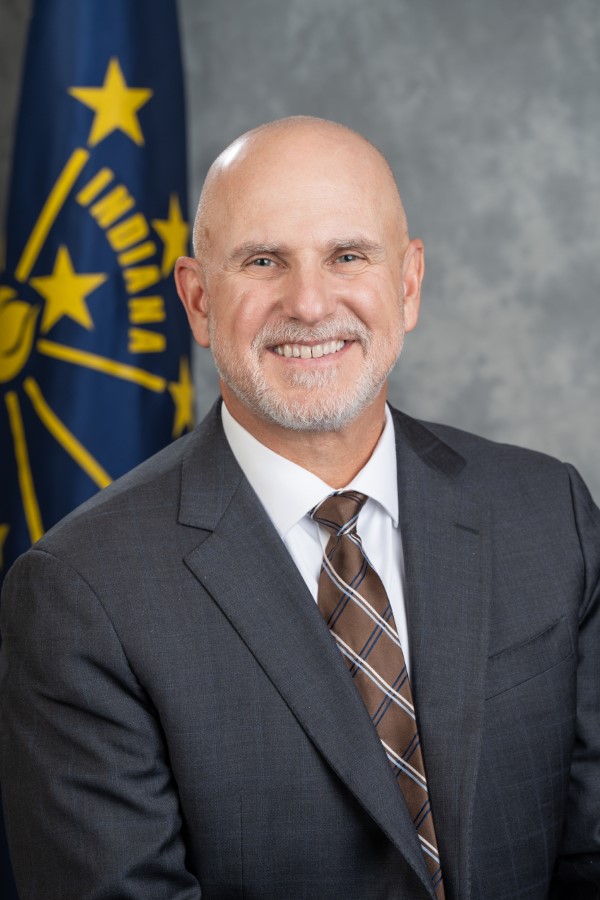
3 primary · 3 co-sponsors
Sponsors




Ask Maddy
·
AI policy assistant
Ask Maddy about HB 1417
Scope: IN
Hi! I can help you understand HB 1417. What would you like to know?
Try one of these
i
Maddy answers using official bill text and legislative records. Always verify before sharing.
Sources cited inline