

Department of education and education matters.
Summary
Makes various changes to education provisions concerning the following: (1) Creating a teaching and learning framework for the implementation of mathematics academic standards. (2) Development of a data science math pathway. (3) Submission of a report to the general assembly concerning recommendations on strategies to support academically and fiscally underperforming schools, and interventions as necessary. (4) Evaluating, approving, and publishing high quality curricular materials time lines. (5) Local board membership for a local centralized school facilities board and local student transportation board. (6) Salary differentiation regarding teachers who possess a literacy endorsement. (7) Amounts expended in participating in an interlocal agreement included in determining amounts school corporations expend on full-time teacher salaries for purposes of teacher salary minimum funding requirements. (8) Summer school program and reimbursement administration. (9) Criteria required for eligibility of a waiver for conducting four day school weeks. (10) Oversight of career and technical education program designation. (11) Uses of teacher appreciation grants. (12) The calculation of operating referendum distributions and school safety referendum distributions to charter schools with regard to virtual instruction. (13) Petitions regarding reconsidering payments of choice scholarships. (14) Membership of the board for proprietary education. (15) The effective date regarding the changes to the definition of "eligible choice scholarship student". (16) Career specialist permit eligibility. Provides that an emergency permit may be renewed up to two times to an individual enrolled in an alternative teacher certification program if the program provides documentation verifying the individual's good standing in the program to the department of education. Creates a new qualification option for a transition to teaching program participant who seeks to obtain a license to teach in grades 5 through 12. Removes a provision that provides that the department may not release less than 10 items per subject matter level per grade level regarding the statewide summative assessment. Removes a requirement that for a parent or student to use a career scholarship account (CSA) annual grant amount for costs related to transportation a CSA participating entity must pay a matching amount for the transportation costs. Requires each state educational institution that offers a two year graduate degree program in mental or behavioral health to evaluate the graduate degree program to determine the feasibility of providing the program in a specifically structured manner to allow full-time students to complete the program within: (1) one year; or (2) five years if the program is combined with a baccalaureate degree program. Requires the Indiana department of education to elect to participate as a covered state in the federal tax credit scholarship program for elementary and secondary education under Section 25F of the Internal Revenue Code (enacted in Public Law 119-21, commonly known as the One Big Beautiful Bill Act of 2025). Makes conforming changes to the school scholarship tax credit in current law. Requires the governor and the department of workforce development, in consultation with the commission for higher education, to: (1) establish a process to identify eligible workforce training programs; (2) establish a process for institutions and programs to apply for recognition as an eligible workforce training program; (3) coordinate certain workforce training matters; and (4) require eligible workforce training programs to provide certain datasets to the department. Provides that the department of workforce development must maintain alignment with federal rules governing workforce Pell grants. Repeals certain provisions concerning postsecondary career and technical education.
Bill status
signed
all 5 stages cleared
Introduction
Jan 2026
Committee Review
Feb 2026
House Passage
Mar 2026
Senate Passage
Mar 2026
Signed into Law
Mar 2026
Introduced Jan 6, 2026
Signed Mar 12, 2026
Maddy AI version diff · 4 comparisons
What changed between versions
House Bill (H)
→
House Bill (S)
·
4 edits
MODERATE
The bill was amended to include Cambridge International courses as eligible for advanced placement funding and to add a new sponsor, Klinker. The digest was updated to reflect these changes and to clarify that operating referendum distributions apply to charter schools alongside safety referendum distributions.
Scope change
The bill's scope was expanded to include Cambridge International courses in the list of eligible programs for funding.
FISCAL
Cambridge International courses are now explicitly included as eligible for funding under the advanced placement examination program.
ELIGIBILITY
The eligibility criteria for charter schools regarding referendum distributions were updated to include both operating and school safety referendums in relation to virtual instruction.
TIMELINE
The bill's effective date and digest update dates were changed from January 8, 2026, to January 22, 2026.
SCOPE
A new sponsor, Klinker, was added to the list of bill sponsors.
Floor votes · Senate Feb 24, 2026 · House Jan 28, 2026
How they voted
46–0
Passed · 3 other
Total votes 49
Feb 24, 2026
D
Democratic9
88% Yea
R
Republican40
95% Yea
Vote distribution
All Yea
All Nay
Mixed
No data
Full legislative history
Actions timeline
Total actions
39
Key actions
13
Committee
7
Amendments
3
Mar 12, 2026
Signed into law
Signed by the Governor
executive
Mar 5, 2026
Upper · Passed
Signed by the President Pro Tempore
upper
Mar 3, 2026
Lower · Passed
Signed by the Speaker
lower
Mar 2, 2026
Upper · Passed
Signed by the President of the Senate
upper
Feb 27, 2026
Lower · Passed
Rules Suspended. Conference Committee Report 1: adopted by the House; Roll Call 425: yeas 66, nays 30
lower
Feb 27, 2026
Upper · Passed
Rules Suspended. Conference Committee Report 1: adopted by the Senate; Roll Call 334: yeas 28, nays 19
upper
Feb 24, 2026
Introduced
House dissented from Senate amendments
lower
Feb 24, 2026
Upper · Passed
Third reading: passed; Roll Call 246: yeas 47, nays 0
upper
Feb 23, 2026
Upper · Passed
Amendment #1 (Yoder) prevailed; voice vote
upper
Feb 19, 2026
Upper · Passed
Committee report: amend do pass, adopted
upper
Feb 12, 2026
Upper · Passed
Committee report: amend do pass adopted; reassigned to Committee on Appropriations
upper
Jan 28, 2026
Lower · Passed
Third reading: passed; Roll Call 136: yeas 90, nays 1
lower
Jan 27, 2026
Amended
Amendment #1 (Burton) motion withdrawn
lower
Jan 22, 2026
Lower · Passed
Committee report: amend do pass, adopted
lower
Jan 8, 2026
Lower · Passed
Committee report: amend do pass, adopted
lower
Jan 8, 2026
Committee
Recommitted to Committee on Ways and Means pursuant to House Rule 126.3
lower
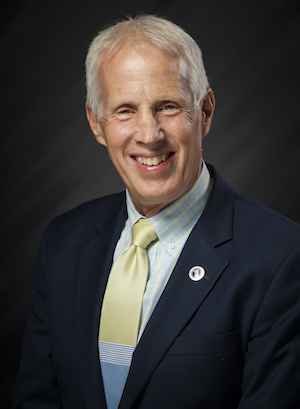
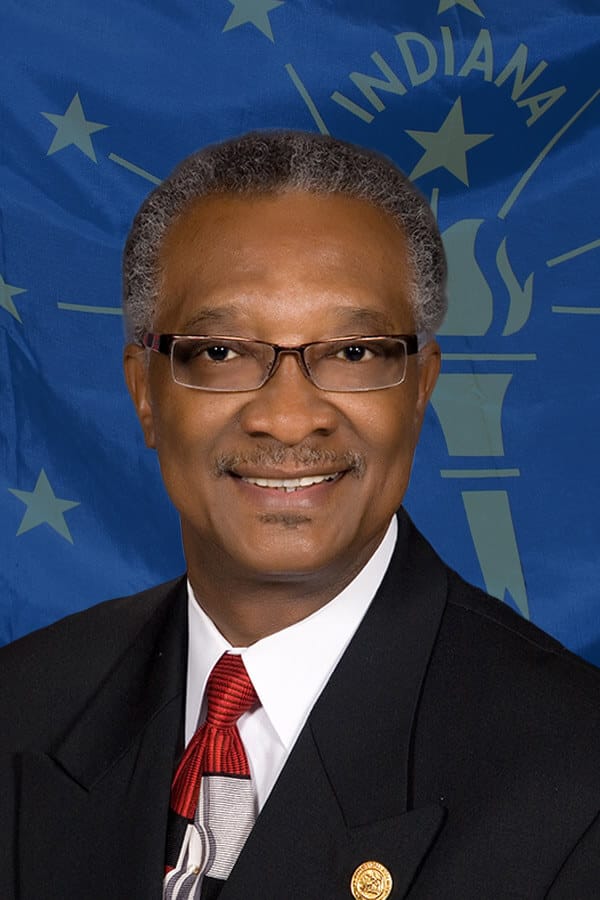
3 primary · 3 co-sponsors
Sponsors




Ask Maddy
·
AI policy assistant
Ask Maddy about HB 1266
Scope: IN
Hi! I can help you understand HB 1266. What would you like to know?
Try one of these
i
Maddy answers using official bill text and legislative records. Always verify before sharing.
Sources cited inline