

Small modular nuclear reactor pilot program.
Summary
Establishes the small modular nuclear reactor partnership pilot program (program). Provides that certain electric utilities (eligible utilities) may partner with one or more other specified types of partners (eligible partners) to develop one or more small modular nuclear reactors (SMRs) at an eligible project site, subject to the approval of the Indiana utility regulatory commission (IURC). For purposes of these provisions, provides that an eligible project site is: (1) a location in Indiana; or (2) the site of a nuclear energy facility that supplies electricity to Indiana retail customers on July 1, 2011. Provides that an eligible utility that seeks to develop a project with one or more eligible partners may petition the IURC for approval to participate in the program. Sets forth the information that an eligible utility's petition must include. Sets forth the factors that the IURC must consider in reviewing a petition. Requires the IURC to issue a final order approving or denying a petition not later than 180 days after receiving the petition and the eligible utility's complete case in chief, subject to the IURC's right to extend the time for review if the eligible utility does not object to the extension. Provides that the IURC shall approve a petition if the IURC makes specified findings. Provides that an eligible utility may petition the IURC for approval to incur, before obtaining a certificate of convenience and necessity (CPCN) to construct an SMR under the program, eligible project development costs. Defines "eligible project development costs" as project development costs that: (1) have been, or are reasonably estimated to be, incurred by an eligible utility in the development of one or more SMRs under the program; and (2) have not been and will not be recovered by the eligible utility through contributions of any money, services, or property provided at no cost to the eligible utility by any eligible partner, governmental agency, or other third party, regardless of whether the third party has entered into an eligible partnership with the eligible utility. Sets forth certain factors that the IURC must consider in reviewing an eligible utility's petition to incur eligible project development costs. Provides that if the IURC denies an eligible utility's petition to participate in the program, and the eligible utility seeks to pursue the development of an SMR outside the program, the eligible utility may: (1) proceed to develop an SMR under the procedures set forth under the existing Indiana Code section governing CPCNs for SMRs; and (2) request that the eligible utility's petition to incur eligible project development costs under bill's provisions be considered a petition to incur project development costs under the Indiana Code section governing CPCNs for SMRs .Provides that if an eligible utility receives approval to incur eligible project development costs, the eligible utility may petition the IURC for the approval of a rate schedule that periodically adjusts the eligible utility's rates and charges to provide for the timely recovery of eligible project development costs. Provides that an eligible utility that receives approval to recover eligible project development costs shall: (1) recover 80% of the approved eligible project development costs under the approved rate schedule; and (2) defer the remaining 20% of approved eligible project development costs for recovery as part of the eligible utility's next general rate case before the IURC. Provides that eligible project development costs that: (1) are incurred by an eligible utility; and (2) exceed the best estimate of eligible project development costs included in the IURC's order authorizing the eligible utility to incur eligible project development costs; may not be included in the eligible utility's rates and charges unless found by the IURC to be reasonable, necessary, and prudent in supporting the development of the project for which they were incurred. Provides that: (1) eligible project development costs incurred for a project that is canceled or not completed may be recovered by the eligible utility if found by the IURC to be reasonable, necessary, and prudently incurred; but (2) such costs shall be recovered without a return unless the IURC makes certain additional findings.
Bill status
signed
all 5 stages cleared
Introduction
Jan 2025
Committee Review
Apr 2025
Senate Passage
Apr 2025
House Passage
Apr 2025
Signed into Law
May 2025
Introduced Jan 13, 2025
Signed May 1, 2025
Maddy AI version diff · 3 comparisons
What changed between versions
Senate Bill (H)
→
Senate Bill (S)
·
4 edits
MODERATE
This bill was updated from its Senate version to its Engrossed version, reflecting changes made during the House committee review and final passage. The main substantive change involves expanding the definition of who can contribute to small modular reactor (SMR) projects by adding 'governmental agency' and 'other third party' as eligible contributors, regardless of whether they have a formal partnership agreement. The bill also clarifies procedures for utilities that are denied participation in the SMR program but wish to pursue SMR development independently.
Scope change
The bill's scope expanded to include additional eligible partners beyond just utilities and existing partners, now explicitly allowing governmental agencies and other third parties to contribute to SMR projects without requiring a formal partnership agreement.
ELIGIBILITY
Expanded the definition of eligible project development cost contributors to include governmental agencies and other third parties, regardless of whether they entered into an eligible partnership with the utility.
REQUIREMENT
Added provisions allowing utilities denied participation in the SMR program to pursue SMR development under existing Indiana Code procedures while treating their cost recovery petitions under the new program provisions as petitions under existing CPCN rules.
TIMELINE
Updated bill dates from January 28, 2025 to April 8, 2025 to reflect final passage and engrossment after House committee amendments.
TECHNICAL
Added new sponsors (Doriot, Schmitt, Buck, Raatz, Busch, Byrne) and updated legislative history to reflect House action and final passage.
Floor votes · Senate Feb 3, 2025 · House Apr 15, 2025
How they voted
41–7
Passed · 2 other
Total votes 50
Feb 3, 2025
D
Democratic10
70% Yea
R
Republican40
85% Yea
Vote distribution
All Yea
All Nay
Mixed
No data
Full legislative history
Actions timeline
Total actions
29
Key actions
9
Committee
2
Amendments
1
May 1, 2025
Signed into law
Signed by the Governor
executive
Apr 23, 2025
Upper · Passed
Signed by the President of the Senate
upper
Apr 22, 2025
Lower · Passed
Signed by the Speaker
lower
Apr 22, 2025
Upper · Passed
Signed by the President Pro Tempore
upper
Apr 17, 2025
Upper · Passed
Senate concurred with House amendments; Roll Call 471: yeas 34, nays 12
upper
Apr 15, 2025
Lower · Passed
Third reading: passed; Roll Call 449: yeas 67, nays 29
lower
Apr 8, 2025
Lower · Passed
Committee report: amend do pass, adopted
lower
Feb 3, 2025
Upper · Passed
Third reading: passed; Roll Call 60: yeas 41, nays 7
upper
Jan 30, 2025
Amended
Amendment #1 (Hunley) failed; voice vote
upper
Jan 27, 2025
Upper · Passed
Committee report: amend do pass, adopted
upper
4 primary · 8 co-sponsors
Sponsors
Role
Legislator
Party
State
District
P

Ed Soliday
RRepublican
P

Eric Koch
RRepublican
P
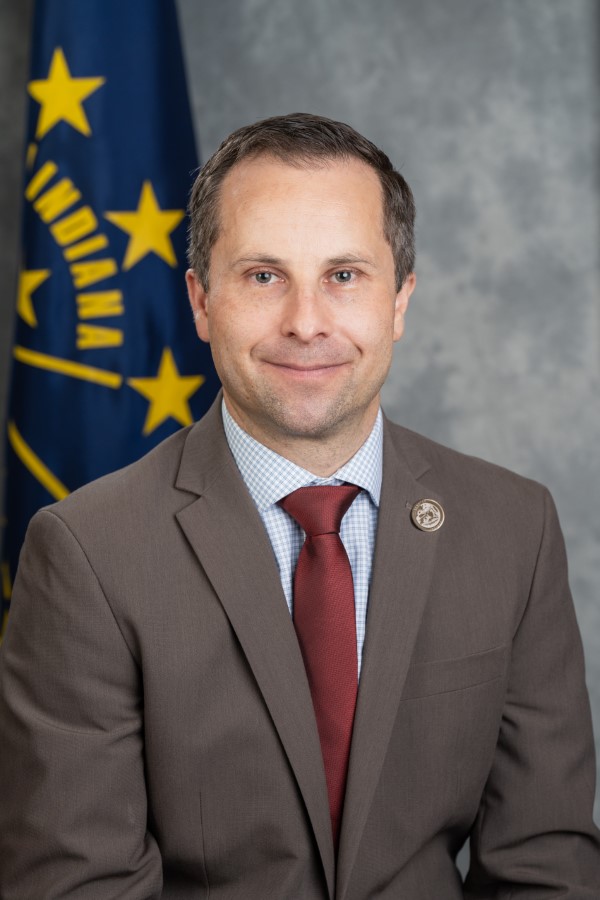
Spencer Deery
RRepublican
P

Stacey Donato
RRepublican
Co
Andy Zay
RRepublican
Co
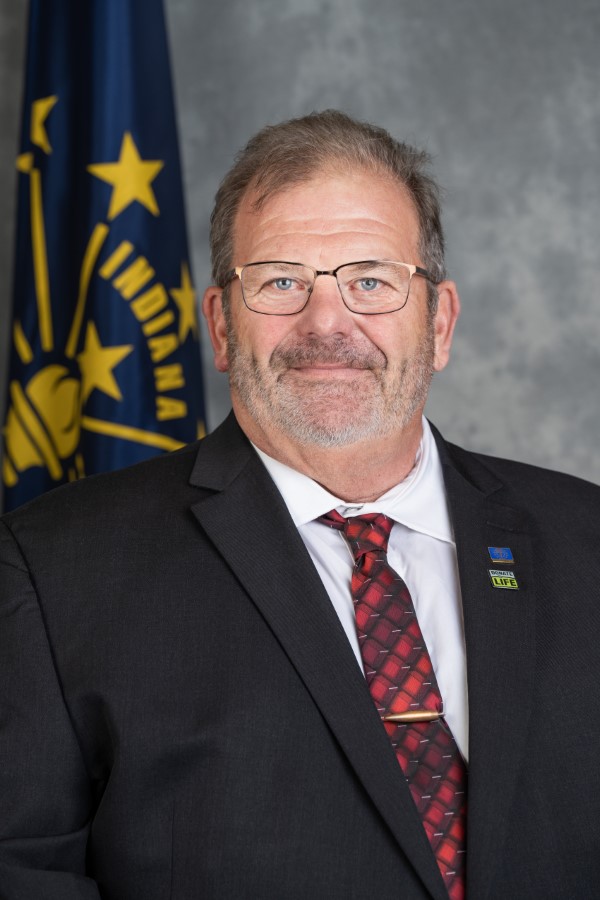
Blake Doriot
RRepublican
Co

Daryl Schmitt
RRepublican
Co
Gary Byrne
RRepublican
Co

Jeff Raatz
RRepublican
Co

Jim Buck
RRepublican
Co

Justin Busch
RRepublican
Co

Sue Glick
RRepublican
Ask Maddy
·
AI policy assistant
Ask Maddy about SB 423
Scope: IN
Hi! I can help you understand SB 423. What would you like to know?
Try one of these
i
Maddy answers using official bill text and legislative records. Always verify before sharing.
Sources cited inline