

Waste diversion and recycling.
Summary
Renames the central Indiana waste diversion pilot project the "central Indiana waste diversion project" (project). Establishes two new purposes for the project: (1) advancing research and development to enhance existing waste diversion efforts and supporting the creation of new processes and technologies that expand upon the existing universe of waste diversion and reuse of recyclable material; and (2) supporting recycling technology or programs for the return, collection, and sorting of recyclable glass, aluminum, or plastic beverage containers that are accessible to the general public and are operated by a retail merchant, a professional sports or entertainment venue, an airport, an elementary school or high school, or an institution of higher education. Extends the duration of the project from three years to four years. Requires the beginning of a second round of grant applications and awards. Provides that, in the second round, private sector persons and companies located in Hamilton, Hancock, Shelby, Johnson, Morgan, Hendricks, and Boone Counties (in addition to Marion County) may apply for grants from the program. Grant applicants must provide a financial match as determined by the Indiana recycling market development board (board). Requires the department of environmental management, for purposes of the second round, to develop and distribute grant application forms, accept grant applications, and make recommendations to the board. Authorizes the board to request additional information from a grant applicant if the board determines that the information provided does not meet certain requirements and to reopen the application process if the board determines that none of the applications submitted meet the goals of the project. Requires the board, in the second round, to award not more than a total of $2,000,000 to grant applicants. Requests the legislative council to assign to an appropriate interim study committee the task of studying various recycling topics.
Bill status
signed
all 5 stages cleared
Introduction
Jan 2023
Committee Review
Apr 2023
House Passage
Apr 2023
Senate Passage
Apr 2023
Signed into Law
May 2023
Introduced Jan 17, 2023
Signed May 1, 2023
Floor votes · Senate Apr 17, 2023
How they voted
46–0
Passed · 2 other
Total votes 48
Apr 17, 2023
D
Democratic10
100% Yea
R
Republican38
94% Yea
Vote distribution
All Yea
All Nay
Mixed
No data
Full legislative history
Actions timeline
Total actions
23
Key actions
11
Committee
3
Amendments
1
May 1, 2023
Signed into law
Signed by the Governor
executive
Apr 26, 2023
Upper · Passed
Signed by the President of the Senate
upper
Apr 25, 2023
Upper · Passed
Signed by the President Pro Tempore
upper
Apr 24, 2023
Lower · Passed
Signed by the Speaker
lower
Apr 20, 2023
Lower · Passed
House concurred in Senate amendments; Roll Call 465: yeas 93, nays 0
lower
Apr 17, 2023
Upper · Passed
Third reading: passed; Roll Call 425: yeas 48, nays 0
upper
Apr 13, 2023
Upper · Passed
Amendment #1 (Messmer) prevailed; voice vote
upper
Apr 6, 2023
Upper · Passed
Committee report: amend do pass, adopted
upper
Mar 20, 2023
Upper · Passed
Committee report: amend do pass adopted; reassigned to Committee on Appropriations
upper
Feb 21, 2023
Lower · Passed
Third reading: passed; Roll Call 190: yeas 93, nays 0
lower
Feb 16, 2023
Lower · Passed
Committee report: amend do pass, adopted
lower
1 primary · 2 co-sponsors
Sponsors
Role
Legislator
Party
State
District
P

Mike Speedy
RRepublican
Co

Carey Hamilton
DDemocratic
Co
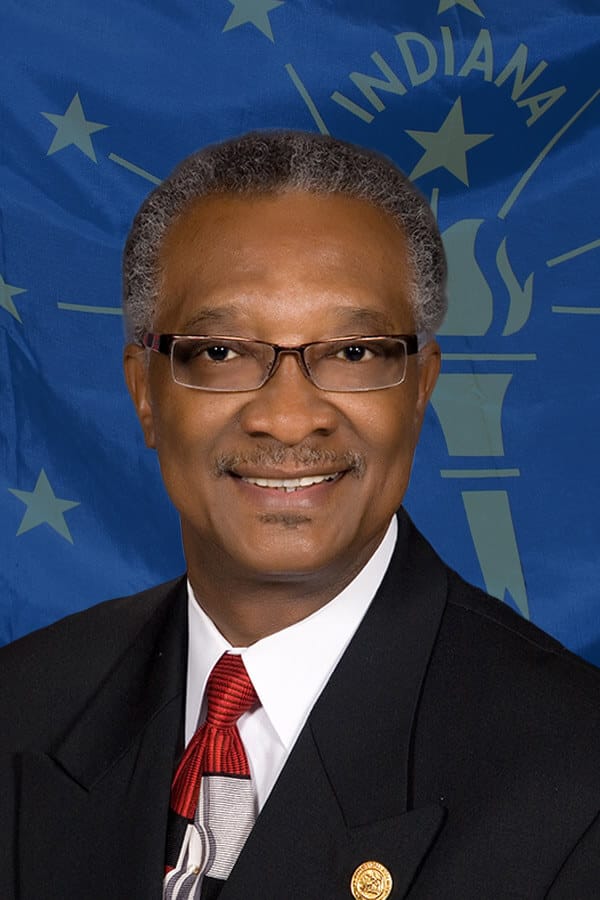
Lonnie Randolph
DDemocratic
Ask Maddy
·
AI policy assistant
Ask Maddy about HB 1512
Scope: IN
Hi! I can help you understand HB 1512. What would you like to know?
Try one of these
i
Maddy answers using official bill text and legislative records. Always verify before sharing.
Sources cited inline