

Electric vehicles and electricity pricing.
Summary
Provides that a person that: (1) owns, operates, or leases electric vehicle (EV) supply equipment; and (2) makes the EV supply equipment available for use by the public for compensation; may charge the public for such use based in whole or in part on the kilowatt hours of electricity sold. Specifies that a person that makes EV supply equipment available for use by the public for compensation, regardless of whether the person charges the public for such use based on: (1) the kilowatt hours of electricity sold; (2) the amount of time spent by an EV at a designated charging space; or (3) a combination of both; is not a public utility solely by reason of engaging in this activity. Authorizes the utility regulatory commission (IURC) to approve: (1) time-varying price structures and tariffs; or (2) other alternative pricing structures and tariffs; for retail energy service. Defines a "public use electric vehicle" (public use EV) as any of the following electric vehicles that is used primarily to serve the public: (1) An electric school bus. (2) An electric transit bus. (3) An electric vehicle used by a public or private commercial enterprise primarily to deliver goods or services to the public. Authorizes an electric utility (defined as a public utility that is subject to the jurisdiction of the IURC) to request approval from the IURC to implement a public use EV pilot program (pilot program) to do any of the following: (1) Install, own, or operate charging infrastructure or make-ready infrastructure to support public use EVs. (2) Provide incentives or rebates to customers to encourage customer investment in public use EVs and in associated EV supply equipment. Sets forth certain required information that an electric utility's request for approval of a pilot program must include. Provides that an electric utility's request for approval of a pilot program may include a request for: (1) assurance of cost recovery for pilot program capital costs, up to the amount of an approved cost estimate; and (2) deferral of pilot program capital costs. Sets forth the processes by which an electric utility may request the IURC's approval of a pilot program. Provides that the IURC shall approve an electric utility's request for approval of a pilot program if the IURC determines that the proposed pilot program is reasonable, just, and in the public interest. Sets forth certain factors that the IURC must consider in making this determination. Specifies that an electric utility is not prohibited from: (1) installing, owning, or operating charging infrastructure or make-ready infrastructure for electric vehicles; and (2) seeking to include the associated capital costs in the electric utility's basic rates and charges by initiating a proceeding before the IURC. Provides that in such a case, the IURC shall approve the inclusion of the capital costs in the electric utility's basic rates and charges if the IURC finds that the capital costs incurred are reasonable, just, and in the public interest. Requires the IURC to adopt rules to implement these provisions.
Bill status
signed
all 5 stages cleared
Introduction
Feb 2022
Committee Review
Feb 2022
House Passage
Jan 2022
Senate Passage
Feb 2022
Signed into Law
Mar 2022
Introduced Feb 28, 2022
Signed Mar 11, 2022
Floor votes · Senate Feb 21, 2022
How they voted
31–12
Passed · 4 other
Total votes 47
Feb 21, 2022
D
Democratic11
81% Yea
R
Republican36
61% Yea
Vote distribution
All Yea
All Nay
Mixed
No data
Full legislative history
Actions timeline
Total actions
30
Key actions
5
Committee
3
Amendments
4
Mar 11, 2022
Signed into law
Signed by the Governor
executive
Mar 2, 2022
Amended
House concurred in Senate amendments; Roll Call 326: yeas 66, nays 25
lower
Feb 28, 2022
Introduced
Motion to concur filed
lower
Feb 22, 2022
Amended
Returned to the House with amendments
upper
Feb 21, 2022
Upper · Passed
Third reading: passed; Roll Call 221: yeas 33, nays 13
upper
Feb 17, 2022
Amended
Amendment #1 (Koch) prevailed; voice vote
upper
Feb 14, 2022
Upper · Passed
Committee report: amend do pass, adopted
upper
Jan 25, 2022
Committee
Referred to the Senate
lower
Jan 24, 2022
Lower · Passed
Third reading: passed; Roll Call 59: yeas 94, nays 0
lower
Jan 20, 2022
Amended
Amendment #1 (Pryor) prevailed; voice vote
lower
Jan 18, 2022
Lower · Passed
Committee report: amend do pass, adopted
lower
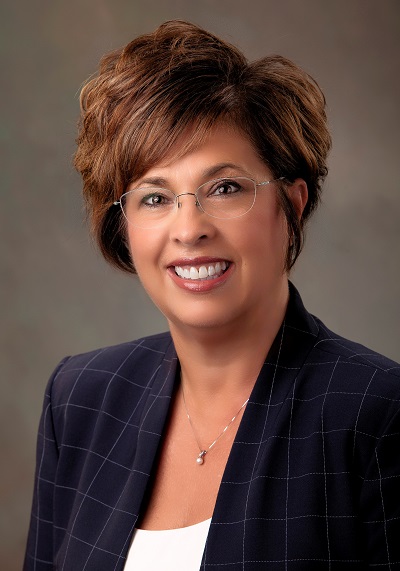
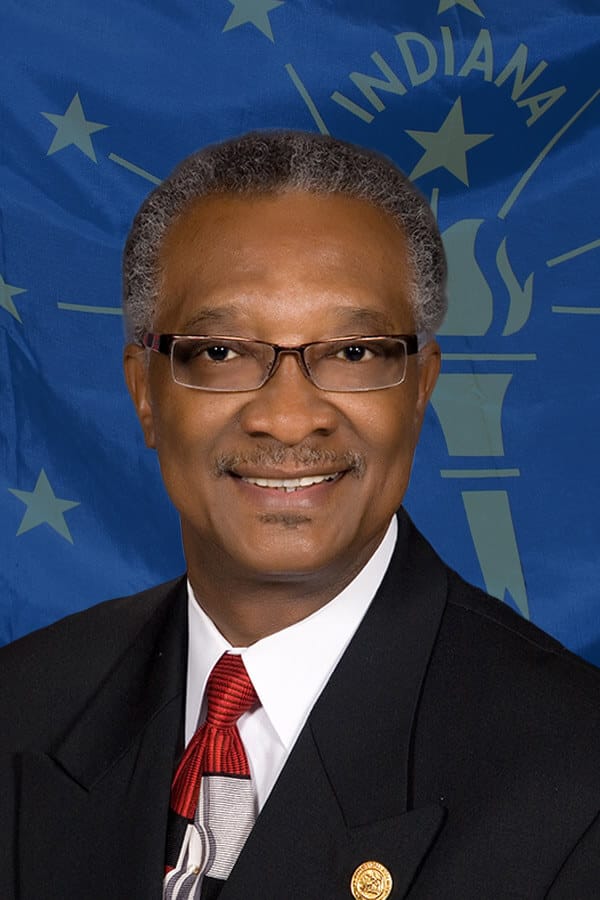
4 primary · 4 co-sponsors
Sponsors






Ask Maddy
·
AI policy assistant
Ask Maddy about HB 1221
Scope: IN
Hi! I can help you understand HB 1221. What would you like to know?
Try one of these
i
Maddy answers using official bill text and legislative records. Always verify before sharing.
Sources cited inline