

Commercial wind and solar standards and siting.
Summary
Establishes default standards concerning the following with respect to projects to install or locate wind power devices in local units: (1) Setback requirements. (2) Height restrictions. (3) Shadow flicker limitations. (4) Signal interference. (5) Sound level limitations. (6) Wind turbine light mitigation technology. (7) Required repairs to drainage related infrastructure. (8) Project decommissioning. Provides that a unit that has in effect on July 1, 2021, a wind power regulation that includes standards that are more restrictive than the default wind power standards set forth in the bill may: (1) continue to apply and enforce the unit's existing wind power regulation with respect to a proposed project; or (2) allow within the unit the establishment of a renewable energy district (RED) in which a proposed project will be located. Provides that a unit that has not adopted a wind power regulation may: (1) restrict, or impose conditions or limitations on, wind projects in the unit if the unit first adopts a wind power regulation that includes standards that are not more restrictive than the bill's default standards; or (2) allow within the unit the establishment of a RED in which a proposed project will be located. Provides that the bill's default standards for wind projects apply within the boundaries of a RED. Provides that a unit that: (1) adopts a wind power regulation that complies with the bill's standards; or (2) allows the establishment of one or more REDs in the unit; may impose a one-time construction fee for each wind power device included in a project application submitted to the unit after June 30, 2021. Provides that such a construction fee: (1) is payable by the project owner upon the commencement of construction of each wind power device; and (2) may not exceed $3,000 per megawatt of installed capacity. Establishes default standards concerning the following with respect to projects to install or locate commercial solar energy systems (CSE systems) in a unit: (1) Setback requirements. (2) Height restrictions. (3) Ground cover. (4) Fencing. (5) Cables. (6) Glare. (7) Signal interference. (8) Sound level limitations. (9) Required repairs to drainage related infrastructure. (10) Project decommissioning. Provides that a unit that has in effect on July 1, 2021, a commercial solar regulation that includes standards that are more restrictive than the default CSE system standards set forth in the bill may: (1) continue to apply and enforce the unit's existing commercial solar regulation with respect to a proposed project; or (2) allow within the unit the establishment of a RED in which a proposed project will be located. Provides that a unit that has not adopted a commercial solar regulation may: (1) restrict, or impose conditions or limitations on, commercial solar projects in the unit if the unit first adopts a commercial solar regulation that includes standards that are not more restrictive than the bill's default standards; or (2) allow within the unit the establishment of a RED in which a proposed project will be located. Provides that the bill's default standards for CSE systems apply within the boundaries of a RED. Provides that a unit that: (1) adopts a commercial solar regulation that complies with the bill's standards; or (2) allows the establishment of one or more REDs in the unit; may impose a one-time construction fee for each CSE system included in a project application submitted to the unit after June 30, 2021. Provides that such a construction fee: (1) is payable by the project owner upon the commencement of construction of each CSE system; and (2) may not exceed $1,000 per megawatt of installed capacity. Provides a project owner is exempt from any construction fee imposed by a unit with respect to: (1) a wind power project; or (2) a commercial solar project; if, at the time of application, the project owner demonstrates that the project owner has executed before July 1, 2021, a commercial offtake agreement with respect to the project. Amends the home rule statute to provide that the following apply to a wind power regulation or a commercial solar regulation adopted by a unit after June 30, 2021: (1) The regulation must be approved by the unit's plan commission. (2) Any procedures set forth in the regulation with respect to the permitting or approval process for the siting or installation of wind power devices or CSE systems in the unit must comply with the procedural processes set forth in the bill. (3) Any standards included in the regulation must not be more restrictive than the default standards set forth in the bill. Establishes Establishes procedures for establishing a RED within a unit. Establishes procedures for the permitting or approval process for the siting of wind power devices in a local unit that: (1) does not have a wind power regulation in effect after June 30, 2021; or (2) does have a wind power regulation in effect after June 30, 2021, and has opted to allow the establishment of a RED within the unit in connection with a wind power project. Establishes procedures for the permitting or approval process for the siting of CSE systems in a local unit that: (1) does not have a commercial solar regulation in effect after June 30, 2021; or (2) does have a commercial solar regulation in effect after June 30, 2021, and has opted to allow the establishment of a RED within the unit in connection with a commercial solar project. Provides that: (1) a project owner; or (2) certain other interested parties; aggrieved by the decision of a unit's permit authority with respect to a proposed wind project or a proposed commercial solar project may file a complaint for appropriate relief in the circuit or superior court of a county having jurisdiction. Provides that such a complaint must be filed not later than 30 days after the date of the permit authority's written decision.
Bill status
passed
3 of 5 stages cleared
Introduction
Jan 2021
Committee Review
Apr 2021
House Passage
Feb 2021
Senate Passage
Governor
Introduced Jan 14, 2021
Last action Apr 12, 2021
Floor votes
How they voted
This bill passed the House by voice vote (no roll call recorded).
Full legislative history
Actions timeline
Total actions
23
Key actions
4
Committee
4
Amendments
8
Apr 12, 2021
Amended
Amendment #2 (Messmer) prevailed; voice vote
upper
Apr 6, 2021
Upper · Passed
Committee report: amend do pass, adopted
upper
Apr 1, 2021
Upper · Passed
Committee report: amend do pass adopted; reassigned to Committee on Tax and Fiscal Policy
upper
Feb 18, 2021
Committee
Referred to the Senate
lower
Feb 17, 2021
Lower · Passed
Third reading: passed; Roll Call 184: yeas 58, nays 38
lower
Feb 16, 2021
Amended
Amendment #14 (Judy) failed; voice vote
lower
Feb 16, 2021
Amended
Amendment #15 (Hamilton) motion withdrawn
lower
Feb 16, 2021
Amended
Amendment #4 (Saunders) failed; voice vote
lower
Feb 16, 2021
Amended
Amendment #6 (Pryor) ruled out of order
lower
Feb 16, 2021
Amended
Amendment #13 (Judy) failed; voice vote
lower
Feb 16, 2021
Amended
Amendment #11 (Saunders) failed; Roll Call 131: yeas 26, nays 68
lower
Feb 16, 2021
Amended
Amendment #12 (Negele) prevailed; voice vote
lower
Feb 11, 2021
Lower · Passed
Committee report: amend do pass, adopted
lower
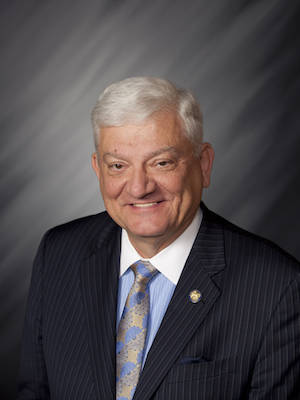
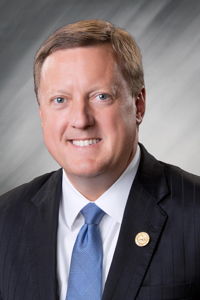
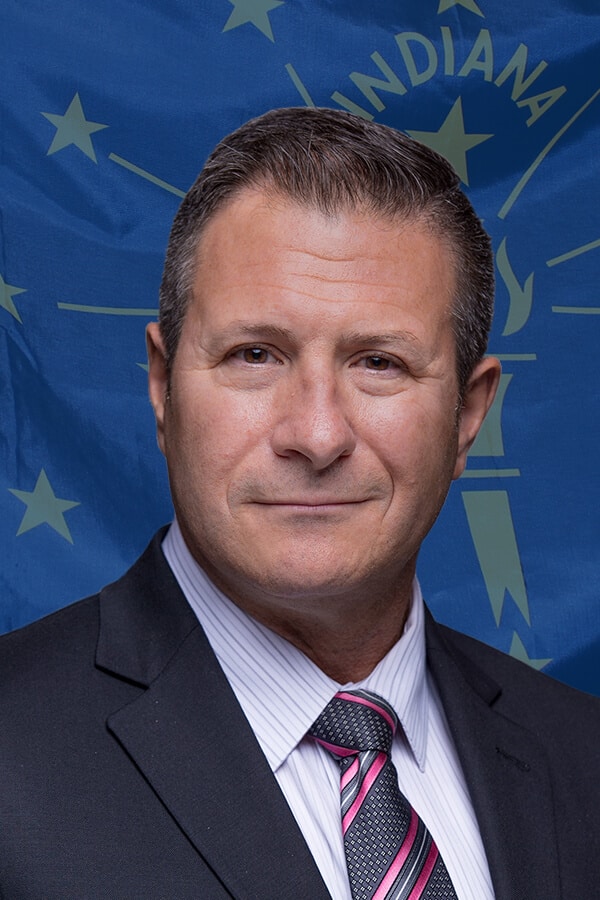
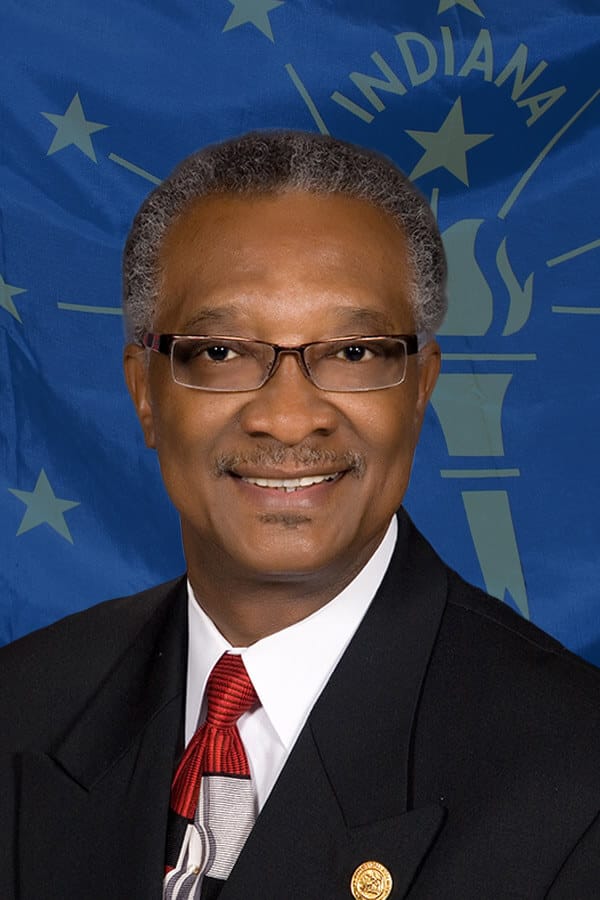
2 primary · 5 co-sponsors
Sponsors


Ask Maddy
·
AI policy assistant
Ask Maddy about HB 1381
Scope: IN
Hi! I can help you understand HB 1381. What would you like to know?
Try one of these
i
Maddy answers using official bill text and legislative records. Always verify before sharing.
Sources cited inline