TICKET Act
What changed between versions
All compliance deadlines changed from 90 days to 180 days after enactment.
'Secondary market ticket exchange' added as a covered entity throughout the bill, defined as any person operating a platform for advertising, listing, or selling resale tickets on behalf of itself, vendors, or a secondary market ticket issuer.
The speculative ticketing provision was changed from a disclosure requirement (disclose that you do not possess the ticket) to an outright prohibition: a ticket issuer, secondary market ticket issuer, or secondary market ticket exchange without actual or constructive possession of a ticket shall not sell, offer for sale, or advertise for sale such ticket.
A new rule of construction allows 'ticketing services' (services to obtain tickets on behalf of consumers) if the provider does not market the service as a ticket, maintains clear visual separation from actual tickets, discloses before selection that it is not a ticket and does not guarantee one, provides a full refund or replacement ticket if unable to obtain the ticket, and does not exceed venue/artist per-transaction limits.
New Section 4 (Deceptive websites) requires secondary market sellers to clearly state they are engaged in secondary sale, prohibits claiming affiliation or endorsement without a partnership agreement, and prohibits using domain names containing team, league, venue, event, performer names, trademarks, or substantially similar names without authorization.
New Section 5 (Refund requirements) mandates that if an event is canceled or postponed (except due to causes beyond reasonable control such as natural disasters), the seller must provide a full refund of ticket price, fees, and tax, or a replacement ticket in the same or comparable location. Sellers must also disclose their refund policy before completing a sale and explain how to obtain a refund.
The all-inclusive price disclosure timing was changed: previously required at 'the beginning of the transaction and prior to the selection' of a ticket, now required 'at the time the ticket is first displayed to the individual and anytime thereafter throughout the ticket purchasing process.' The itemized fee list deadline moved from before selection to before completion of the purchasing process.
New Section 6 requires the FTC to submit a report to Congress within 6 months of enactment on enforcement of the Better Online Ticket Sales Act of 2016, including enforcement actions taken, challenges with coordination with State Attorneys General, and recommendations for improvement.
The definition of 'secondary market ticket issuer' was broadened from 'any entity' to 'any person, including a ticket issuer,' meaning primary ticket issuers who resell tickets are now explicitly covered. New definitions were added for artist, domain name, URL, venue, and secondary market ticket exchange.
The definition of 'event ticket fee' was modified to remove 'tax' from the list of included charges (previously listed alongside service fees, delivery fees, etc.), though tax is still referenced in refund provisions.
How they voted
Actions timeline
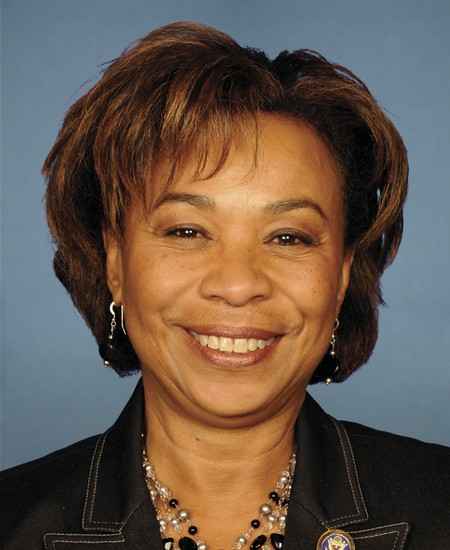
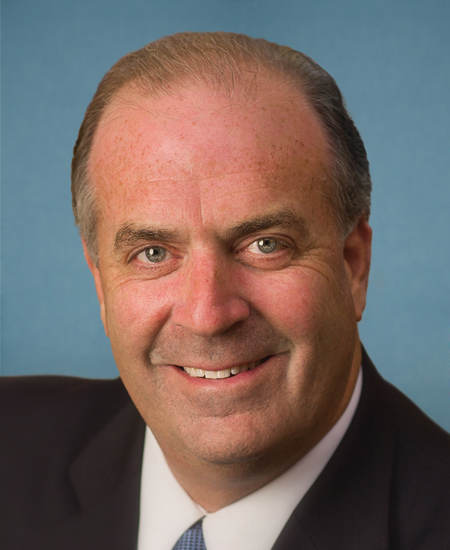
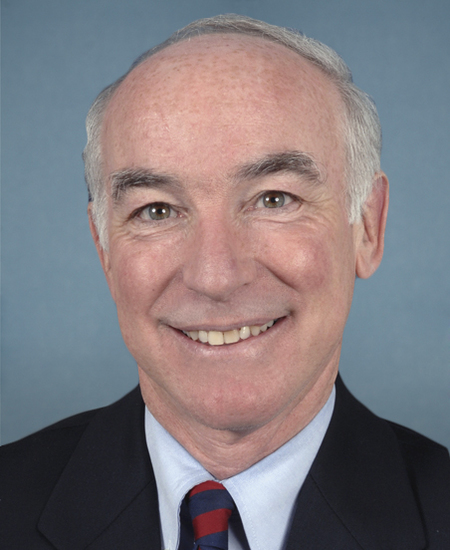
Sponsors