

FERTILITY FRAUD ACT
Summary
Creates the Illinois Fertility Fraud Act. Allows the following individuals to bring an action against any health care provider, embryologist, or any other person involved in any stage of the treatment who knowingly or intentionally used the health care provider's, embryologist's, or person's own human reproductive material, without the patient's informed written consent to treatment using the health care provider's or person's human reproductive material: a woman who gives birth to a child after receiving assisted reproductive treatment or any other artificial means used to cause pregnancy; the spouse of the woman; the surviving spouse of the woman; or a child born as a result of the treatment. Allows a donor of human reproductive material to bring an action against a health care provider who: treats a patient for infertility by using human reproductive material donated by the donor; and knows or reasonably should have known that the human reproductive material was used without the donor's consent or in a manner or to an extent other than that to which the donor consented. Provides that a plaintiff who prevails in an action under the Act is entitled to reasonable attorney's fees and compensatory and punitive damages or liquidated damages of $50,000. Amends the Criminal Code of 2012. Provides that a person commits a criminal sexual assault if that person is a health care provider who knowingly or intentionally provides assisted reproductive treatment to a patient by using the health care provider's own spermatozoon or ovum, without the patient's informed written consent to treatment using the health care provider's spermatozoon or ovum. Amends the Code of Civil Procedure. Provides that an action for fertility fraud under the Illinois Fertility Fraud Act must be commenced within the later of 20 years after: the procedure was performed; the 18th birthday of the child; the person first discovers evidence sufficient to bring an action against the defendant through DNA analysis; the person first becomes aware of the existence of a record that provides evidence sufficient to bring an action against the defendant; or the defendant confesses to the offense.
Bill status
failed
1 of 4 stages cleared
Introduction
Mar 2022
Committee Review
Floor Vote
Governor
Introduced Mar 29, 2022
Last action Jan 10, 2023
Floor votes
How they voted
No floor votes recorded yet.
Full legislative history
Actions timeline
Total actions
10
Key actions
0
Committee
1
Mar 29, 2022
Committee
Referred to Assignments
upper
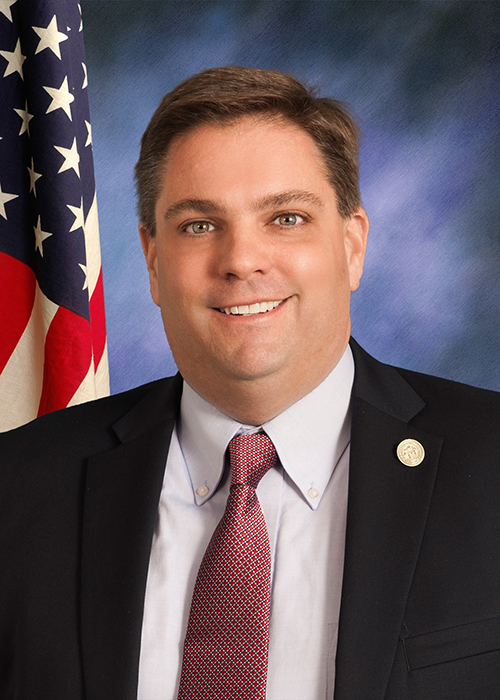
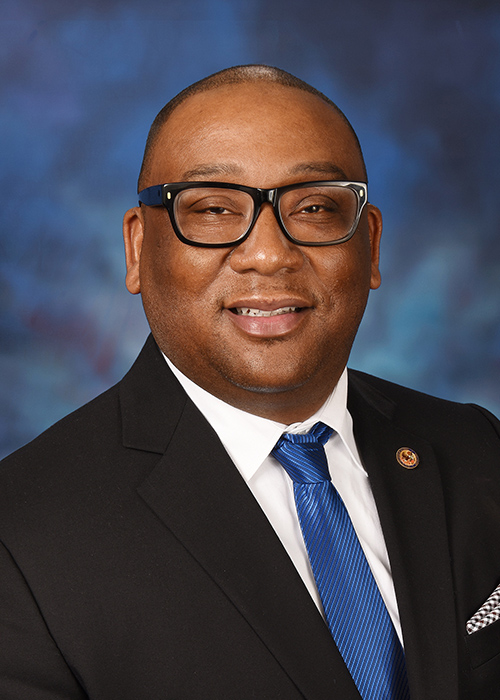
1 primary · 5 co-sponsors
Sponsors



Ask Maddy
·
AI policy assistant
Ask Maddy about SB 4199
Scope: IL
Hi! I can help you understand SB 4199. What would you like to know?
Try one of these
i
Maddy answers using official bill text and legislative records. Always verify before sharing.
Sources cited inline