

Establishes safe riding behaviors for electric bicycles. Prohibits the operation of high-speed electric devices in certain locations. Establishes labeling and signage requirements for electric bicycles. Prohibits the operation of a moped or electric motorcycle in certain locations. Amends the definition of "bicycle" for purposes of county vehicular taxes. Defines "electric bicycle" in place of "low-speed electric bicycle". Authorizes the seizure of non-road-legal or nonconforming electric bicycles and high-speed electric devices. Defines "electric micro-mobility device" and requires the same regulations as electric foot scooters. Prohibits a person under the age of sixteen from operating a class 2 or class 3 electric bicycle without direct supervision. Authorizes a person to ride an electric bicycle on a sidewalk under certain circumstances. Prohibits a person from operating a bicycle or electric foot scooter under the age of eighteen without a helmet. Repeals the requirement that moped drivers use bicycle lanes. Substitutes the term "motor scooter" with the term "motor-driven cycle". (CD1)
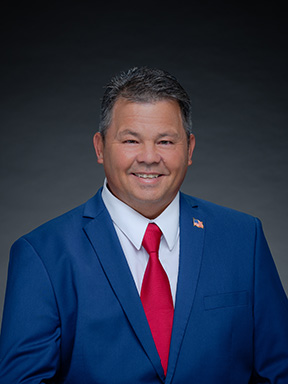
Rep. David Alcos
Sponsored bills
Maddy summaryHB 2415 appropriates state funds to the Department of Transportation for installing pedestrian safety improvements (like crosswalks or signage) at locations directly adjacent to school properties. It also directs the department to consider implementing similar safety measures at other high-risk sites beyond school areas. The bill would require the Department of Transportation to use these allocated funds for specific traffic safety projects, effective July 1, 3000. This policy change directly affects school communities and pedestrians near schools by directing state resources toward physical safety infrastructure.
Clarifies that community mental health outpatient programs that have agreed to provide mental health services to a defendant as part of an assisted community treatment order may prepare a certificate for assisted community treatment and provide the certificate to a defendant and may file an assisted community treatment petition with the Family Court. (CD1)
Maddy summaryThis bill establishes a formal sister-state relationship between the State of Hawaii and the Prefecture of Okayama in Japan, creating an official framework for ongoing cooperation between the two regions. The resolution, which requires no new funding or legal changes, authorizes the transmission of certified copies to relevant government officials and international partners to formalize the partnership. It recognizes existing historical ties dating back to 1868, including Japanese immigration to Hawaii and decades of grassroots exchanges, while outlining shared interests in tourism, agriculture, education, and cultural preservation. The Hawaii Sister-State and International Partnerships Commission recommended this relationship based on mutual benefits for residents, businesses, and communities in both jurisdictions.
Maddy summaryThis bill designates September 28th as Hawaii Good Neighbor Day to encourage residents to participate in community-building activities that strengthen local connections. The resolution recognizes the national Good Neighbor Day tradition and highlights how similar initiatives in cities like San Francisco, Boston, and Phoenix have fostered neighborhood engagement through events like block parties and volunteer projects. By officially acknowledging this day, the legislature aims to promote asset-based community development where neighbors support one another and utilize existing community strengths. The measure does not create new laws or funding but serves as a symbolic recognition to inspire civic participation and social cohesion across the state.
Maddy summaryThis House Concurrent Resolution urges the Hawaii Department of Transportation and the City and County of Honolulu to explore using artificial intelligence to reduce traffic congestion and improve road safety. The measure is based on concerns about rising traffic fatalities and congestion in Hawaii, noting that other states are already using AI for traffic management. It requests that these agencies submit a report within 20 days assessing the feasibility of integrating AI technologies into existing traffic systems. The resolution does not mandate immediate implementation but asks for a study to evaluate how AI could be applied to current infrastructure.
Maddy summaryThis House Resolution urges Hawaii's Department of Transportation and Honolulu's transportation departments to explore using artificial intelligence to reduce traffic congestion and improve road safety. It highlights concerns about rising traffic fatalities and congestion while noting that other states are already using AI for traffic management. The resolution requests that these agencies submit a report within 20 days assessing existing technologies and the feasibility of integrating AI systems into current infrastructure. This measure does not mandate implementation but asks agencies to evaluate and report on the potential for adopting AI-driven traffic solutions.
Maddy summaryThis House Resolution urges Hawaii's Department of the Attorney General and Department of Law Enforcement to improve their capacity to combat human trafficking and the commercial sexual exploitation of children. The bill requests the creation of a plan to expand specialized investigative personnel and strengthen statewide enforcement initiatives, including expanding the Operation Shine the Light program to all county police departments. It also calls for the establishment of specialized runaway youth recovery teams in each county to quickly locate missing youth who may be at risk of exploitation. Finally, the resolution asks state agencies to submit a report with staffing, training, and funding recommendations to the Legislature by early 2027.
Maddy summaryThis House Concurrent Resolution urges Hawaii's Department of the Attorney General and Department of Law Enforcement to improve their ability to combat human trafficking and the commercial sexual exploitation of children. The bill requests the creation of a plan to expand specialized investigative personnel and strengthen statewide enforcement initiatives, including expanding the Operation Shine the Light program to all county police departments. It also calls for the establishment of specialized runaway youth recovery teams in each county to quickly locate missing youth who may be at risk of trafficking. Finally, the resolution asks these agencies to submit a report with staffing needs, training requirements, and funding recommendations to the Legislature by early 2027.
Maddy summaryThis bill asks Hawaii's Public Utilities Commission to create a temporary working group to study the state's utility infrastructure, particularly in the City and County of Honolulu. The group will examine how well current utility systems can handle demand, how long existing coastal infrastructure is expected to last, and the costs of expanding services to support community growth. The working group includes representatives from government agencies, utility companies, and labor unions, and will produce an assessment of infrastructure capacity, lifespan risks, funding needs, and any permit-related strain on systems. This study aims to provide data for better community planning and ensure utility services can meet current and future demands.