

RELATING TO SENTENCING.
SB 778 prohibits judges from sentencing defendants classified as "emerging adults" (typically young adults aged 18-25) to life imprisonment without the possibility of parole. This bill directly affects young adults who are tried and convicted as adults for crimes committed while in this age range. The key provision removes life without parole as a sentencing option for these individuals, requiring judges to consider alternatives like prison terms with the possibility of parole. The bill focuses on changing sentencing practices for a specific age group within the adult criminal justice system.
Bill status
passed
3 of 5 stages cleared
Introduction
Jan 2025
Committee Review
Mar 2025
Senate Passage
Mar 2025
House Passage
Governor
Introduced Jan 17, 2025
Last action Dec 8, 2025
Maddy AI version diff · 1 comparison
What changed between versions
SB778
→
SB778_SD1
·
4 edits
MODERATE
This bill updates the age threshold for banning life without parole sentences from 18 to 21 years old, aligning Hawaii with neuroscience research on brain development. It formally defines 'emerging adult defendants' as those aged 18 to under 21 at the time of the offense and amends the relevant statutes to prohibit this harsh sentencing for this specific age group.
Scope change
The bill expands the scope of protection by raising the age limit for individuals eligible for life without parole sentences from 18 to 21 years old, thereby extending the ban to include 19 and 20-year-olds.
DEFINITION
Added a specific definition for 'emerging adult defendant' to clarify that the ban applies to individuals who were 18 years or older but under 21 years old at the time of the crime.
ELIGIBILITY
Modified the eligibility criteria for life without parole sentences in Chapter 706, raising the minimum age from 18 to 21 years old.
REQUIREMENT
Updated the statutory language regarding enhanced sentences for second-degree murder to reflect the new age threshold of 21 years old.
TECHNICAL
Changed the bill's version identifier from 'HB template' to 'SD Template' and updated associated metadata such as revision numbers and timestamps.
Floor votes
How they voted
This bill passed the Senate by voice vote (no roll call recorded).
Full legislative history
Actions timeline
Total actions
13
Key actions
4
Committee
4
Mar 6, 2025
Committee
Referred to JHA, referral sheet 19
lower
Mar 4, 2025
Introduced
Received from Senate (Sen. Com. No. 196) in amended form (SD 1).
lower
Mar 4, 2025
Upper · Passed
Passed Third Reading, as amended (SD 1). Ayes, 24; Aye(s) with reservations: Senator(s) DeCoite, Elefante, Richards. Noes, 0 (none). Excused, 1 (Senator(s) Chang). Transmitted to House.
upper
Feb 28, 2025
Upper · Passed
Report adopted; Passed Second Reading, as amended (SD 1).
upper
Jan 31, 2025
Upper · Passed
The committee(s) on JDC recommend(s) that the measure be PASSED, WITH AMENDMENTS. The votes in JDC were as follows: 4 Aye(s): Senator(s) Rhoads, Gabbard, Chang, San Buenaventura; Aye(s) with reservations: none ; 0 No(es): none; and 1 Excused: Senator(s) Awa.
upper
Jan 27, 2025
Upper · Passed
The committee(s) on JDC has scheduled a public hearing on 01-31-25 9:15AM; Conference Room 016 & Videoconference.
upper
Jan 23, 2025
Committee
Referred to JDC.
upper
Jan 17, 2025
Introduced
Introduced.
upper
2 primary · 0 co-sponsors
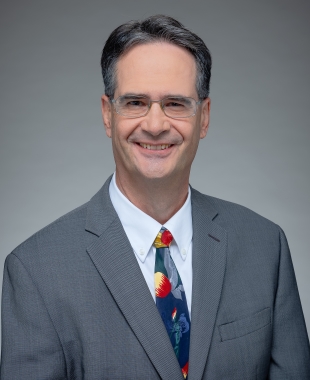
Sponsors

Ask Maddy
·
AI policy assistant
Ask Maddy about SB 778
Scope: HI
Hi! I can help you understand SB 778. What would you like to know?
Try one of these
i
Maddy answers using official bill text and legislative records. Always verify before sharing.
Sources cited inline