

Maddy summaryHR 5267, the American Franchise Act, clarifies when franchisors can be considered joint employers of franchisee employees under federal labor laws. It defines "substantial direct and immediate control" over essential employment terms like wages, benefits, hours, hiring, and discipline - requiring franchisors to actively set these terms to be deemed joint employers. The bill explicitly excludes routine brand standards, training, or minimal safety requirements from constituting such control. This directly affects franchisors and franchisees by limiting joint employer liability to cases where franchisors exert significant, ongoing influence over core employment decisions. The law applies prospectively to new cases after enactment, not past disputes.
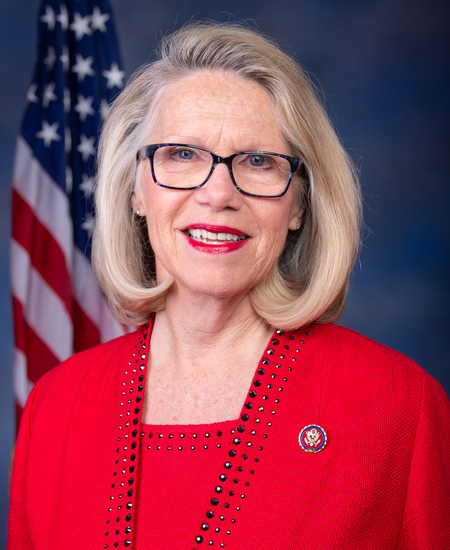
Rep. Carol D. Miller
Sponsored bills
Maddy summaryThis House resolution marks the 25th anniversary of the September 11, 2001 terrorist attacks by formally honoring the memory of the nearly 3,000 victims and recognizing the sacrifices made by first responders, military personnel, and the passengers of United Airlines Flight 93. The bill acknowledges the ongoing health challenges faced by survivors and responders, highlighting the role of the World Trade Center Health Program in providing long-term medical support. It also credits charitable organizations and community groups that have continued to assist victims' families and veterans over the past two decades. Finally, the resolution urges the American public to observe the anniversary with ceremonies and reaffirms Congress's commitment to remembering the events and lessons of that day.
Maddy summaryThe Rural Emergency Hospital Designation Improvement Act expands Medicaid coverage for services provided by rural emergency hospitals and allows these facilities to offer additional inpatient units for psychiatric, rehabilitation, and obstetric care. It also creates a pathway for existing facilities that operate similarly to rural emergency hospitals to convert their status by waiving certain requirements, while permitting them to provide skilled nursing "swing bed" services under specific agreements. To support financial sustainability, the bill increases Medicare payments for diagnostic laboratory tests performed at these hospitals by 5 percent starting in 2027 and ensures that facilities reverting to critical access hospital status can regain their necessary provider designation. Additionally, the legislation designates rural emergency hospitals as health professional shortage areas to facilitate National Health Service Corps placements and includes them in the Small Rural Hospital Improvement Program grant eligibility.
Maddy summaryThe Stronger Start for Working Families Act amends the Internal Revenue Code to make the child tax credit fully refundable for all eligible taxpayers. By lowering the earned income threshold from $3,000 to $1, the bill removes the requirement that families must have a minimum level of earnings to receive the full credit amount. This change directly affects working families with children who previously had their refundable credit capped based on their income. The provision is scheduled to take effect for tax years beginning after December 31, 2025.
Maddy summaryThe We Can't Wait Act of 2026 allows individuals who have not yet reached early retirement age to choose whether they want to receive Social Security disability benefits during the standard five-month waiting period that currently precedes benefit payments. If an individual makes this election, their monthly benefit amount is permanently reduced by a specific percentage, initially set at 94.25 percent of the standard rate, to ensure the change does not increase the long-term costs for the Federal Disability Insurance Trust Fund. The bill requires the Social Security Administration to update application forms within 180 days of enactment and mandates that actuaries recalculate this reduction factor every five years to maintain actuarial neutrality over a 75-year period.
Maddy summaryThis bill amends the U.S. Harmonized Tariff Schedule to create specific categories for silicone prosthetic breast forms and mastectomy bras intended for women who are breast cancer survivors. By establishing these new subheadings, the legislation sets a zero percent general duty rate for both items, effectively eliminating import tariffs on these medical supplies. The changes apply to goods entering the country or being withdrawn from warehouses for consumption starting January 1, 2027.
Maddy summaryThe Virtual-Based Opioid Treatment for Veterans Act directs the Department of Veterans Affairs to launch a two-year pilot program aimed at expanding access to virtual opioid treatment for enrolled veterans who face barriers to in-person care. This initiative requires the VA to conduct outreach, build referral networks, and coordinate with other federal agencies to connect veterans with telehealth programs that combine medication and counseling in a single visit. The bill also mandates a study on treatment barriers and requires annual reports to Congress on the program's progress until the opioid crisis is no longer considered a public health emergency.
Maddy summaryThis resolution expresses the sense of the House of Representatives that Charleston, South Carolina, should proceed with hosting the 2027 annual meeting of the Organization for Security and Cooperation in Europe Parliamentary Assembly. The bill cites Charleston's existing facilities as suitable for the event and notes that hosting the convention in South Carolina honors the legacy of late Senator Lindsey Olin Graham. It also highlights that the United States has not hosted this specific assembly since 2005. The measure does not change any laws or allocate funding but serves as a formal statement of support for the planned event.
Maddy summaryThis bill reauthorizes and expands the Accelerating Access to Critical Therapies for ALS Act through 2031, extending funding for research into treatments for amyotrophic lateral sclerosis. It requires drug manufacturers to share interim clinical trial data with the FDA to better assess the progress of investigational drugs and clarifies that phase 3 clinical trial definitions include combined phase 2/3 trials and planned trials not yet enrolling participants. The legislation also mandates the FDA to publish an updated five-year action plan for ALS and other rare neurodegenerative diseases, including resource needs and coordination strategies with broader disease communities. Additionally, the bill requires the Government Accountability Office to submit a report on the program's implementation four years after enactment.
Maddy summaryHR 2004, titled "Tyler’s Law," requires the Secretary of Health and Human Services to study how often hospital emergency departments test for fentanyl during overdose cases (beyond standard drug tests), including associated costs, patient benefits/risks, and impacts on privacy and patient-physician relationships. The study must be completed within one year of the bill's enactment. Based on the study results, the Secretary must issue guidance within six months on whether emergency departments should routinely test for fentanyl, how to inform clinicians about test contents, and how such testing may affect future overdose risks and health outcomes. This bill directly affects hospital emergency departments and patients experiencing overdoses by shaping future testing protocols.