SB 912 Florida Senate · 2026 Regular Session

Battery Collection and Recovery

Summary
Battery Collection and Recovery; Creating the "Safe Battery Collection and Recovery Act"; requiring a producer to fulfill certain requirements, beginning on a specified date, before selling, offering for sale, or distributing for sale in this state any covered battery or battery-containing product; requiring a BSO operating in this state to submit a battery stewardship plan to the Department of Environmental Protection for review and approval, beginning on a specified date; providing fiscal duties for a BSO implementing an approved battery stewardship plan; requiring a BSO to submit a report to the department annually beginning on a specified date, etc.
Bill status died 1 of 4 stages cleared
Introduction
Jan 2026
Committee Review
Floor Vote
Governor
Introduced Jan 13, 2026 Last action Mar 13, 2026
Maddy AI version diff · 1 comparison

What changed between versions

S 912 Filed S 912 c1 · 10 edits
MAJOR
The bill was revised to clarify the roles of producers and retailers, expand the definition of covered batteries to include off-highway vehicles, and add specific exemptions for small batteries and imported recycled materials. The changes also introduce new requirements for labeling, adjust the timeline for independent audits, and modify how independent collectors interact with Battery Stewardship Organizations.
Scope change
The bill's scope was expanded to include batteries for off-highway vehicles and imported recycled battery materials, while clarifying that retailers are not required to serve as collection sites.
DEFINITION

Added 'off-highway vehicles' to the list of excluded battery types and created a new exemption for lead-acid batteries weighing 11 pounds or more.

Added a new exemption for batteries or materials imported into the state after collection for the purpose of end-of-life management.

Restructured the definition of 'Producer' to explicitly distinguish between producers of batteries and producers of battery-containing products.

REQUIREMENT

Changed the labeling requirement from a 'clear mark' to specific text indicating the battery cannot be disposed of as household waste and is not eligible for curbside recycling.

Added an exemption for small batteries that fit entirely into the standard small parts cylinder, requiring the mark to be on the packaging instead.

Added a requirement for independent collectors to document shipment manifests and receive approvals from receiving and transporting parties when mixing batteries with other waste streams.

Updated the plan renewal requirement to mandate submission one year before expiration rather than every 4 years.

ELIGIBILITY

Clarified that retailers are not required to make their locations available as collection sites for the stewardship program.

TIMELINE

Changed the audit requirement from a one-time audit after 4 years to a one-time audit after 4 years of implementation, with specific wording adjustments regarding the audit scope.

FISCAL

Added a threshold requiring local government reimbursement only for facilities that individually collect more than 200 pounds of batteries annually.

Floor votes

How they voted

No floor votes recorded yet.
Full legislative history

Actions timeline

Total actions
9
Key actions
3
Committee
4
Feb 5, 2026
Upper · Passed
Now in Appropriations Committee on Agriculture, Environment, and General Government
upper
Feb 5, 2026
Upper · Passed
Pending reference review under Rule 4.7(2) - (Committee Substitute)
upper
Jan 29, 2026
Upper · Passed
On Committee agenda-- Environment and Natural Resources, 02/03/26, 3:30 pm, 110 Senate Building
upper
Jan 13, 2026
Introduced
Introduced
upper
Jan 5, 2026
Committee
Referred to Environment and Natural Resources; Appropriations Committee on Agriculture, Environment, and General Government; Fiscal Policy
upper
1 primary · 0 co-sponsors

Sponsors

Role
Legislator
Party
State
District
P
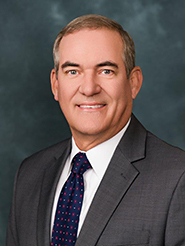
Photo of Stan McClain
Stan McClain
RRepublican
FL
9