

In committee Sep 10, 2026
0 co-sponsors
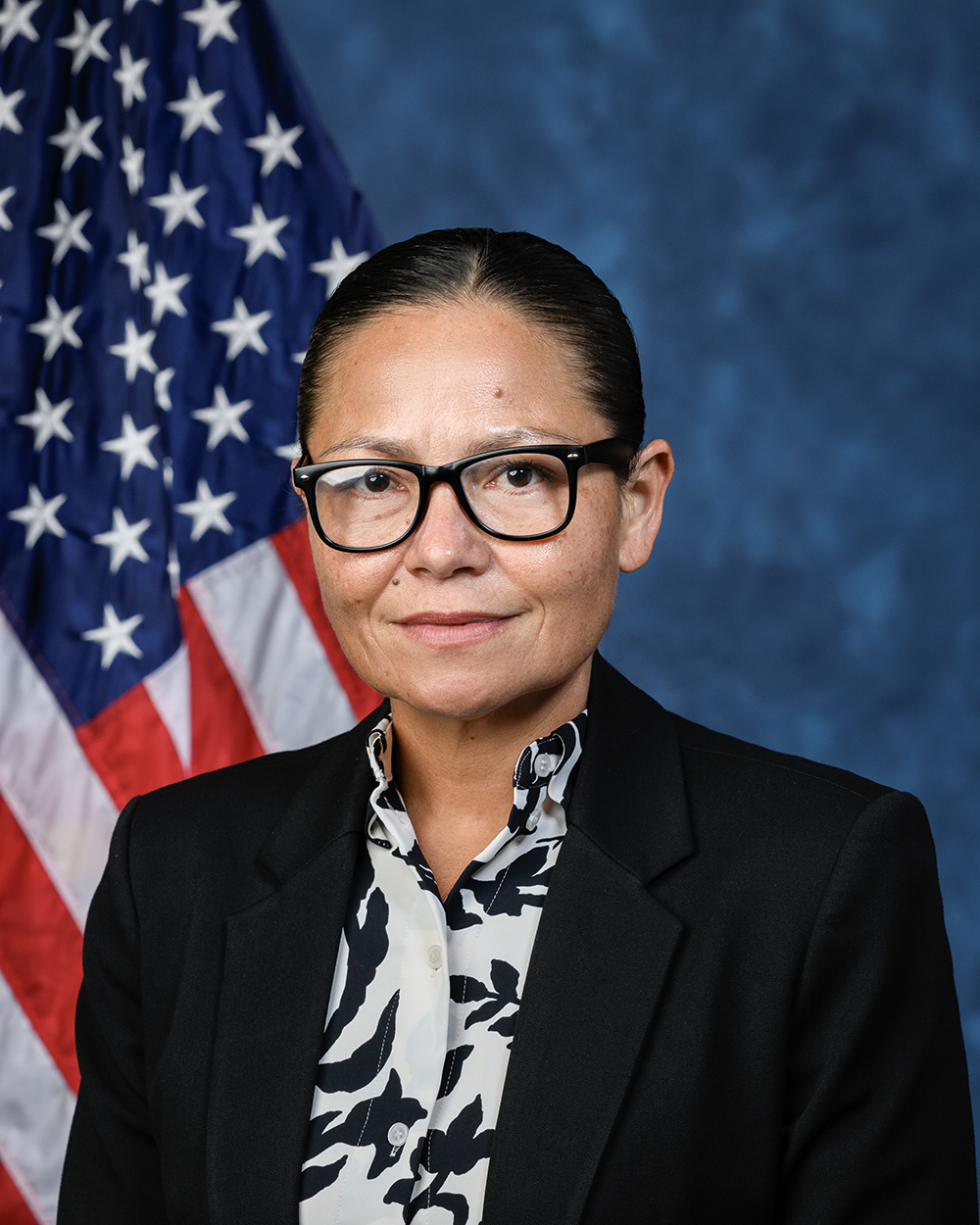
Rep. Kimberlyn King-Hinds
Total votes
85
all sessions
Attendance
10%
584 missed
Lower than 99% of chamber peers
With party
65%
of cast votes
Lower than 100% of chamber peers
Bipartisan score
17%
some cross-party votes
Higher than 99% of chamber peers
Sponsored
164
bills & resolutions
Lower than 82% of chamber peers
Committees
10
assignments
164 bills and resolutions
Sponsored bills
Total
164
Primary
21
Co-sponsor
143
This page
164
matching current filters
Badge-to-Business Act
Maddy summaryThe Badge-to-Business Act amends the Small Business Act to waive guarantee fees for express loans made to qualified career law enforcement officers starting January 1, 2027. To qualify, an officer must have completed at least ten years of service and not be facing a pending criminal investigation or administrative proceeding for misconduct related to their official duties. This fee waiver applies to both currently employed officers and those who have separated from service, provided they meet the conduct requirements at the time of application. The provision includes an exception allowing the Administrator to collect fees if the cost of guaranteeing these loans results in a net loss for the Administration in a given fiscal year.
Budget & TaxesSupports Budget & TaxesThe bill waives government guarantee fees for specific borrowers, which is a form of tax/fee relief and fiscal support for that group.
Criminal JusticeSupports Criminal JusticeThe bill provides financial incentives for law enforcement officers to start businesses, strengthening the profession and supporting career stability in public safety.
In committee Sep 10, 2026
1 co-sponsor
PACMESA
Maddy summaryThe Pacific Minerals Economic Security Act amends the Outer Continental Shelf Lands Act to regulate mineral leasing activities in waters adjacent to Guam, American Samoa, and the Northern Mariana Islands. The bill prohibits the government from reducing or waiving royalty payments for these leases and requires lessees to provide initial and supplemental financial bonds to cover potential environmental cleanup and decommissioning costs. Starting in fiscal year 2027, fifty percent of all leasing revenues will be distributed to the affected territories based on their proximity to the leased areas, with funds restricted for use in coastal restoration, infrastructure development, environmental mitigation, or debt reduction. Additionally, the Secretary of the Interior must conduct a study on environmental impact mitigation methods and provide immediate notice to territorial governors when new mining plans are submitted.
Budget & TaxesSupports Budget & TaxesBill prohibits reducing royalty payments and mandates financial bonds, strengthening government revenue and fiscal accountability for mineral leases.
EnvironmentSupports EnvironmentBill mandates financial bonds specifically to cover environmental cleanup and decommissioning costs for mineral leases, strengthening environmental liability protections.
In committee Sep 8, 2026
0 co-sponsors
American Franchise Act
Maddy summaryHR 5267, the American Franchise Act, clarifies when franchisors can be considered joint employers of franchisee employees under federal labor laws. It defines "substantial direct and immediate control" over essential employment terms like wages, benefits, hours, hiring, and discipline - requiring franchisors to actively set these terms to be deemed joint employers. The bill explicitly excludes routine brand standards, training, or minimal safety requirements from constituting such control. This directly affects franchisors and franchisees by limiting joint employer liability to cases where franchisors exert significant, ongoing influence over core employment decisions. The law applies prospectively to new cases after enactment, not past disputes.
In committee Sep 8, 2026
1 co-sponsor
Cybersecurity for Small Businesses Act of 2026
Maddy summaryThe Cybersecurity for Small Businesses Act of 2026 directs the Small Business Administration, in partnership with federal cybersecurity agencies, to create and distribute resources that help small businesses improve their digital security practices. The bill specifically requires the administration to provide guidance on federal cybersecurity compliance standards to small companies seeking government contracts or subcontracting opportunities. This information must be made available through small business development centers, district offices, and the agency's website. Additionally, the Office of Advocacy is required to submit an annual report to Congress detailing how many small businesses have contacted them regarding cybersecurity issues.
In committee Sep 2, 2026
1 co-sponsor
Kayleigh’s Law Act of 2026
Maddy summaryThis bill, known as Kayleigh's Law Act of 2026, requires federal courts to issue permanent restraining orders against defendants convicted of certain serious crimes, prohibiting them from contacting their victims for the rest of their lives. The law applies specifically to individuals convicted of violent felonies or felony offenses involving sexual acts, including crimes like child exploitation and human trafficking. Courts must include these orders in sentencing, and violations are treated as contempt of court, while the only way to lift the order is if the conviction is overturned or pardoned. The bill also ensures that victims cannot be charged any fees for obtaining these protective orders and clarifies that the restrictions apply regardless of state laws.
Passed Aug 31, 2026
1 co-sponsor
In committee Aug 27, 2026
1 co-sponsor
National Law Enforcement Officers Remembrance, Support, and Community Outreach Act
National Law Enforcement Officers Remembrance, Support and Community Outreach Act. [ sic ] This bill temporarily directs the Department of the Interior to award a grant to the National Law Enforcement Officers Memorial Fund for the expenses associated with operating and enhancing the community outreach, public education, and officer safety and wellness programs of the National Law Enforcement Museum.
In committee Aug 20, 2026
1 co-sponsor
Radiation Exposure Compensation Reauthorization Act of 2026
Maddy summaryThis bill reauthorizes and expands the Radiation Exposure Compensation Act, extending the program's funding through 2043 and allowing new claims to be filed until 2042. It increases compensation amounts for downwinders and Manhattan Project waste claimants from $100,000 or $50,000 to $150,000, respectively, and introduces a provision for reimbursing documented out-of-pocket medical expenses not covered by insurance. The legislation broadens eligibility by adding new geographic areas in states such as Colorado, Montana, Washington, Illinois, and Ohio, as well as the territory of Guam, while also permitting the use of third-party affidavits to verify employment history or physical presence in affected zones. Additionally, it establishes a discretionary process for the President to designate new groups of radiation-exposed individuals for compensation and mandates several health studies regarding the long-term effects of nuclear testing on specific populations.
In committee Aug 17, 2026
1 co-sponsor
To designate the facility of the United States Postal Service located at 15642 Sand Canyon Avenue in Irvine, California, as the "Mary Kageyama Nomura Post Office Building".
This bill designates the facility of the United States Postal Service located at 15642 Sand Canyon Avenue in Irvine, California, as the "Mary Kageyama Nomura Post Office Building".
In committee Aug 17, 2026
1 co-sponsor
Ask Maddy
·
AI policy assistant
Ask Maddy about Kimberlyn King-Hinds
Scope: delaware
Hi! I can help you understand Kimberlyn King-Hinds's legislative record. What would you like to know?
Try one of these
i
Maddy answers using official bill text and legislative records. Always verify before sharing.
Sources cited inline