

AN ACT TO AMEND TITLE 26 OF THE DELAWARE CODE RELATING TO PUBLIC UTILITIES AND UTILITY RATES.
Summary
Public utilities are regulated monopolies. Practically speaking, a public utility has no competition in its service territory and, therefore, does not face the economic risks that a for-profit, non-utility company must face. By law, a public utility is authorized the opportunity to earn a reasonable rate of return on the costs it incurs in operating its business. Under the current Public Utilities Code, in determining the rates that public utilities may charge customers, the Delaware Public Service Commission must apply the “business judgment rule” standard in deciding which costs may be included in a utility’s rate base. Forty-eight (48) states in the United States apply the “prudence” standard when setting utility rates, not the "business judgement rule" standard that is applied in Delaware. The more costs that are included in rate base, the higher the rates that are charged to utility customers. Under the “business judgment rule” standard, the Public Service Commission may not disallow the inclusion of a cost in rate base, even though the cost was incurred imprudently. For example, a utility may decide to expand the size of its facilities, but overbuilds those facilities at a cost of $3 million, even though a smaller $1 million expansion would be adequate to serve its customers and anticipated future growth. Under the business judgment rule, the Public Service Commission is not able to deny recovery of any part of the cost of the expanded facility and it will be included in rate base. Consequently, customer utility bills have been increasing and could continue to increase significantly. Amending the Public Utility Code so that the “prudence” standard applies, would give the Public Service Commission the ability to deny, in whole or in part, certain expenses and costs, which can lead to less frequent and less impactful rate increases.
Bill status
signed
all 5 stages cleared
Introduction
Feb 2025
Committee Review
Apr 2025
Senate Passage
Mar 2025
House Passage
Jun 2025
Signed into Law
Jul 2025
Introduced Feb 21, 2025
Signed Jul 16, 2025
Floor votes · House Jun 26, 2025
How they voted
This bill passed the Senate by voice vote (no roll call recorded).
Full legislative history
Actions timeline
Total actions
7
Key actions
5
Committee
2
Jul 16, 2025
Signed into law
Signed by Governor
executive
Jun 26, 2025
Lower · Passed
Passed By House. Votes: 39 YES 1 ABSENT 1 VACANT
lower
Apr 9, 2025
Lower · Passed
Reported Out of Committee (Natural Resources & Energy) in House with 9 On Its Merits, 1 Unfavorable
lower
Mar 25, 2025
Introduced
Assigned to Natural Resources & Energy Committee in House
lower
Mar 20, 2025
Upper · Passed
Passed By Senate. Votes: 19 YES 2 ABSENT
upper
Mar 12, 2025
Upper · Passed
Reported Out of Committee (Environment, Energy & Transportation) in Senate with 5 Favorable
upper
Feb 21, 2025
Introduced
Introduced and Assigned to Environment, Energy & Transportation Committee in Senate
upper
21 primary · 0 co-sponsors
Sponsors
Role
Legislator
Party
State
District
P
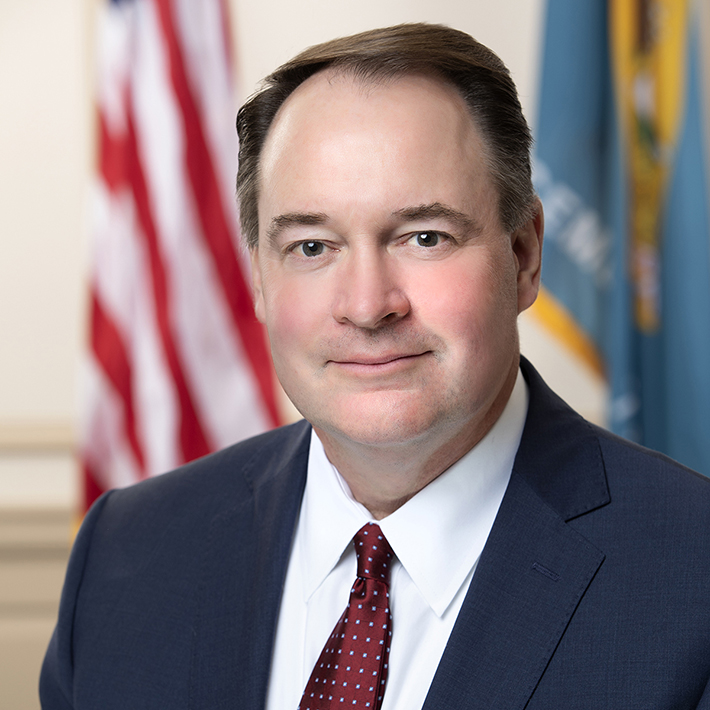
Bill Bush
DDemocratic
P

Bill Carson
DDemocratic
P
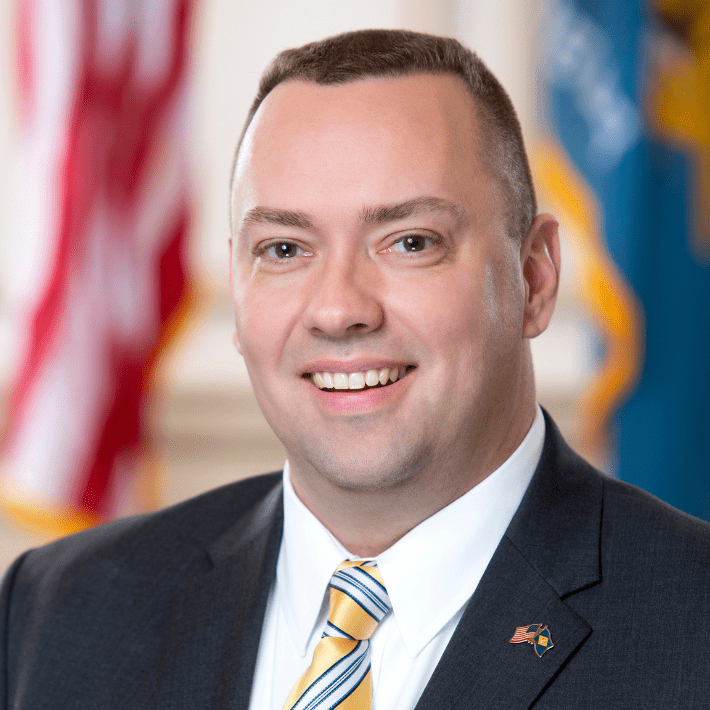
Brian Pettyjohn
RRepublican
P
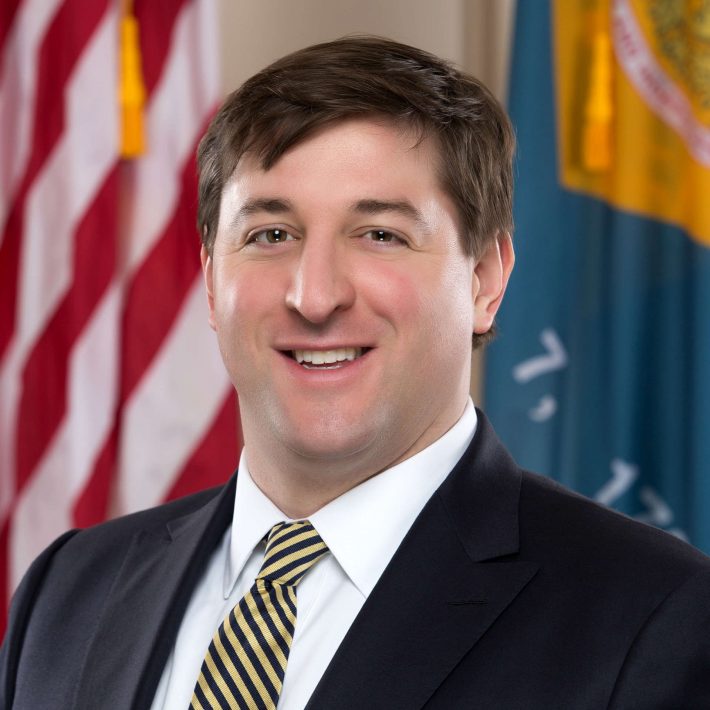
Bryan Townsend
DDemocratic
P

Bryant Richardson
RRepublican
P

Claire Snyder-Hall
DDemocratic
P

Dave Sokola
DDemocratic
P
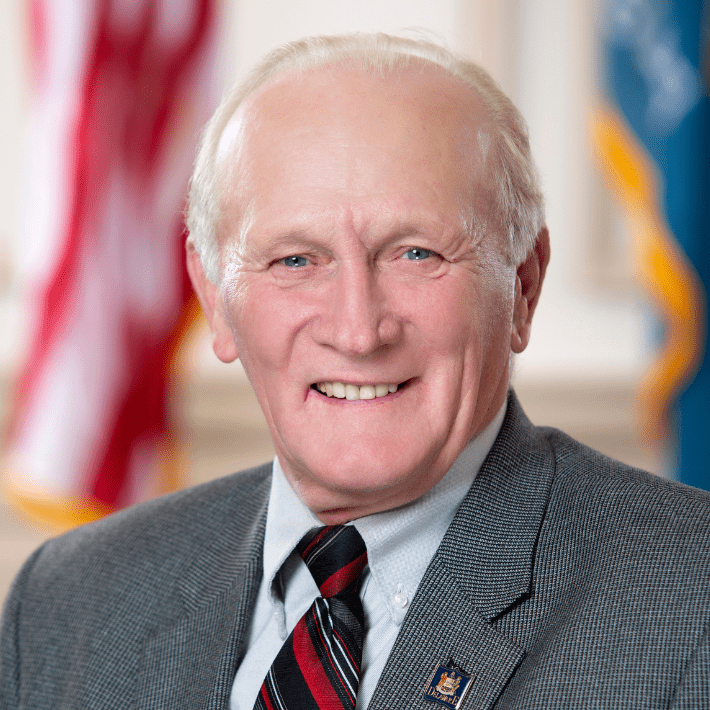
Dave Wilson
RRepublican
P

Eric Morrison
DDemocratic
P

Frank Cooke
DDemocratic
P

Josue Ortega
DDemocratic
P
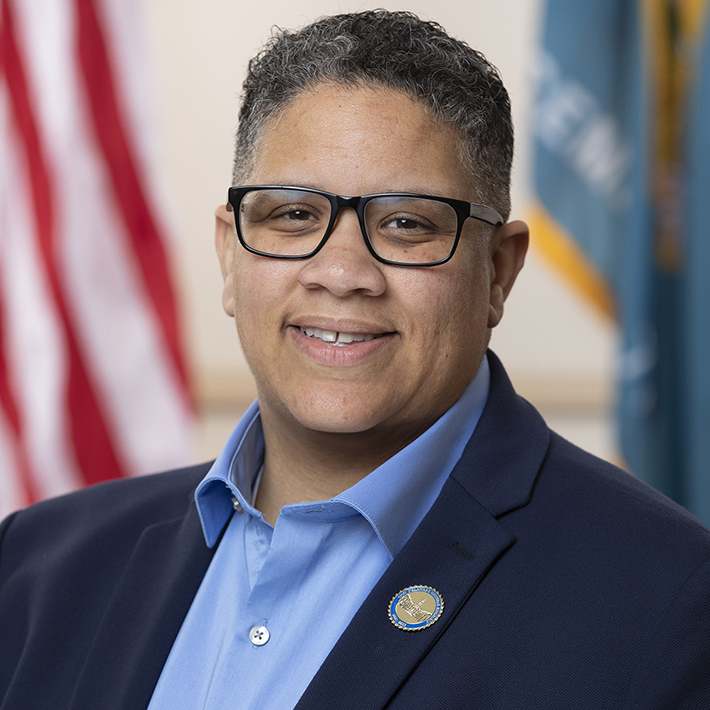
Kerri Harris
DDemocratic
P
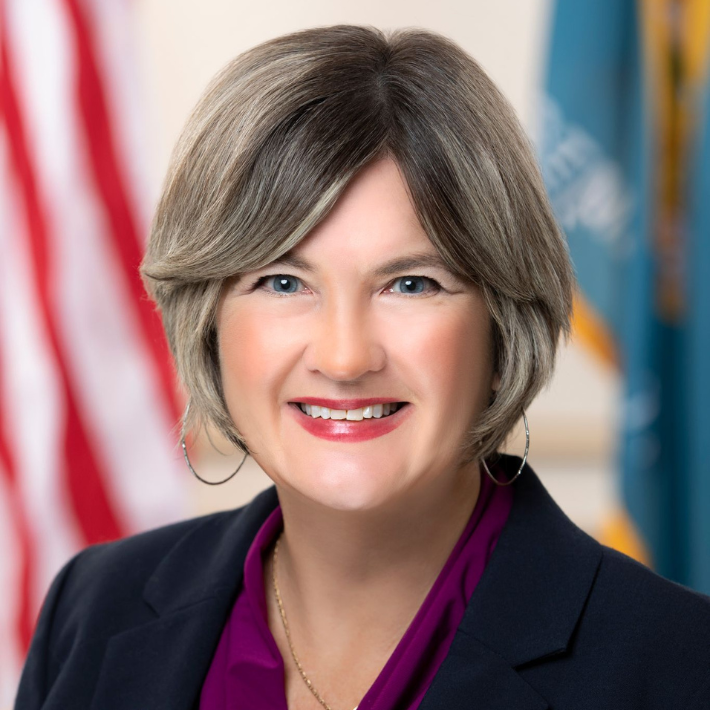
Laura Sturgeon
DDemocratic
P
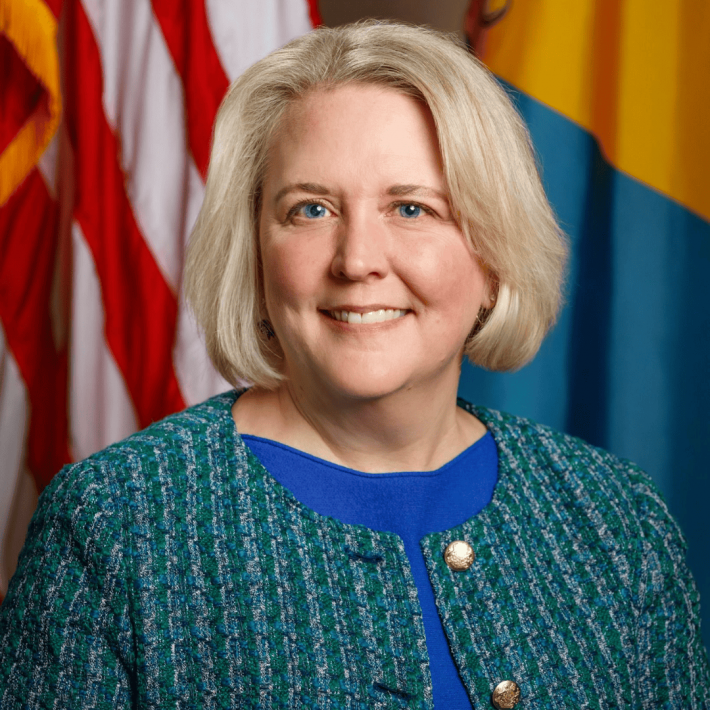
Mara Gorman
DDemocratic
P

Marie Pinkney
DDemocratic
P

Nicole Poore
DDemocratic
P

Ray Seigfried
DDemocratic
P

Russ Huxtable
DDemocratic
P

Spiros Mantzavinos
DDemocratic
P

Stell Selby
DDemocratic
P

Stephanie Hansen
DDemocratic
Ask Maddy
·
AI policy assistant
Ask Maddy about SB 59
Scope: DE
Hi! I can help you understand SB 59. What would you like to know?
Try one of these
i
Maddy answers using official bill text and legislative records. Always verify before sharing.
Sources cited inline