

AN ACT TO AMEND TITLE 16 AND TITLE 18 OF THE DELAWARE CODE RELATING TO PARAMEDIC SERVICES.
Summary
This Act is the product of the work of stakeholders who, with the encouragement of Senate Concurrent Resolution No. 50 (152nd General Assembly), met to examine how to integrate mobile-integrated healthcare and community paramedicine into existing regulatory structures in this State. Mobile-integrated healthcare and community paramedicine are innovative patient-centered models for the delivery of health care services that utilize mobile resources to deliver care and services to patients in an out-of-hospital environment in coordination with healthcare facilities or other healthcare providers. As part of mobile-integrated healthcare and community paramedicine programs, emergency medical services provider agencies across the country of all sizes and types are partnering with hospitals, primary care physicians, nurses, and mental health and social services providers on innovative programs that both navigate patients to the right level of care as well as achieve goals of improved care and lower costs. Clinical research studies comparing patients in traditional hospitals with patients who received hospital-level care at home through mobile-integrated healthcare and community paramedicine programs have found that those who received in-home care experienced fewer readmissions, lower mortality rates, reduced falls, and higher patient satisfaction rates. Based on temporary federal law enacted to relieve strain on healthcare systems caused by the COVID-19 pandemic, hospitals in this State developed relationships with emergency medical services provider agencies to implement mobile-integrated healthcare and community paramedicine programs. However, this temporary federal authorization will end on December 31, 2024. Many states have acted ahead of the expiration of this federal authorization to incorporate mobile-integrated healthcare and community paramedicine programs into existing regulatory structures. This Act integrates mobile-integrated healthcare and community paramedicine programs into existing regulatory structures in this State by authorizing the establishment of mobile-integrated healthcare and community paramedicine programs in this State through the Office of Emergency Medical Services (“Office”) in the Department of Health and Social Service’s Division of Public Health (“Division”). Specifically, this Act does the following: (1) Authorizes an organization licensed as or actively seeking licensure as an emergency medical services provider agency to apply to the Office to establish a mobile-integrated healthcare or community paramedicine program. (2) Requires the Office to review applications to establish mobile-integrated healthcare or community paramedicine programs and make recommendations to the Director of the Division, who is required to approve applications that meet the requirements established by this Act and regulations adopted by the Office. (3) The Office is required to establish standards, approved by the Board of Medical Licensure and Discipline, for the establishment and operation of mobile-integrated healthcare or community paramedicine programs This Act takes effect immediately for purposes of the Office of Emergency Medical Services preparing to implement this Act, but is not implemented until the date of publication in the Register of Regulations of a notice by the Director of the Office of Emergency Medical Services that the Office is prepared to implement this Act. The changes to the definition section, § 9802 of Title 16 of the Delaware Code, in Sections 2 and 3 of this Act are identical. These changes had to be made twice as § 9802 of Title 16 currently has 2 versions, one effective until July 17, 2028, and one effect as of July 17, 2028. This Act also makes technical corrections to conform existing law to the standards of the Delaware Legislative Drafting Manual and, in Section 5 of this Act, to correct an internal reference in § 6701B of Title 18 of the Delaware Code affected by changes in Sections 2 and 3 of this Act.
Bill status
signed
all 5 stages cleared
Introduction
Feb 2024
Committee Review
May 2024
Senate Passage
Mar 2024
House Passage
May 2024
Signed into Law
Sep 2024
Introduced Feb 29, 2024
Signed Sep 24, 2024
Floor votes · Senate Mar 26, 2024 · House May 23, 2024
How they voted
20–0
Passed
Total votes 20
Mar 26, 2024
D
Democratic14
100% Yea
R
Republican6
100% Yea
Vote distribution
All Yea
All Nay
Mixed
No data
Full legislative history
Actions timeline
Total actions
7
Key actions
5
Committee
2
Sep 24, 2024
Signed into law
Signed by Governor
executive
May 23, 2024
Lower · Passed
Passed By House. Votes: 39 YES 2 ABSENT
lower
May 8, 2024
Lower · Passed
Reported Out of Committee (Health & Human Development) in House with 3 Favorable, 7 On Its Merits
lower
Mar 27, 2024
Introduced
Assigned to Health & Human Development Committee in House
lower
Mar 26, 2024
Upper · Passed
Passed By Senate. Votes: 21 YES
upper
Mar 13, 2024
Upper · Passed
Reported Out of Committee (Health & Social Services) in Senate with 1 Favorable, 5 On Its Merits
upper
Feb 29, 2024
Introduced
Introduced and Assigned to Health & Social Services Committee in Senate
upper
14 primary · 0 co-sponsors
Sponsors
Role
Legislator
Party
State
District
P

Bill Bush
DDemocratic
P

Cyndie Romer
DDemocratic
P

Darius Brown
DDemocratic
P

Dave Sokola
DDemocratic
P

Ed Osienski
DDemocratic
P

Frank Cooke
DDemocratic
P

Jack Walsh
DDemocratic
P

Kendra Johnson
DDemocratic
P
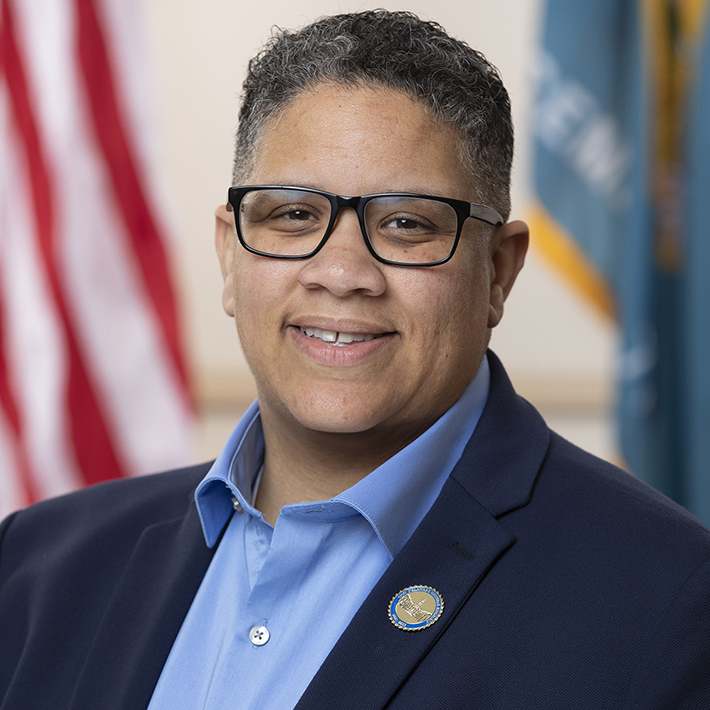
Kerri Harris
DDemocratic
P

Nicole Poore
DDemocratic
P

Pete Schwartzkopf
DDemocratic
P

Sean Matthews
DDemocratic
P

Trey Paradee
DDemocratic
P

Valerie Giltner
RRepublican
Ask Maddy
·
AI policy assistant
Ask Maddy about SB 223
Scope: DE
Hi! I can help you understand SB 223. What would you like to know?
Try one of these
i
Maddy answers using official bill text and legislative records. Always verify before sharing.
Sources cited inline