

AN ACT TO AMEND TITLE 14 OF THE DELAWARE CODE RELATING TO THE INTERSTATE TEACHER MOBILITY COMPACT.
Summary
This Act enacts the Interstate Teacher Mobility Compact (ITMC). The Council of State Governments partnered with the Department of Defense and the National Association of State Directors of Teacher Education and Certification (NASDTEC) to support the mobility of licensed teachers through the development of this new interstate compact. The ITMC will create reciprocity among participant states and reduce barriers to license portability and employment. The Interstate Teacher Mobility Compact (ITMC) is an interstate occupational licensure compact. Interstate compacts are constitutionally authorized, legislatively enacted, legally binding agreements among states. The ITMC will allow teachers to use an eligible license held in a compact member state to be granted an equivalent license in another compact member state, lowering barriers to teacher mobility and getting teachers back into the classroom more seamlessly. The ITMC utilizes a different model than other interstate occupational licensure compacts. Compact member states submit licenses that are eligible for the compact and meet a set of criteria outlined in the legislation. To be eligible, a license must require a bachelor’s degree and completion of a state-approved program for teacher licensure like a teacher preparation program at a college or university. Furthermore, for a license to be eligible under the ITMC, the license must be unencumbered, which means it is not restricted, probationary, provisional, substitute, or temporary. Teachers holding a compact-eligible license can apply for licensure in another member state and receive the closest equivalent license without submitting additional materials, taking state-specific exams or completing additional coursework. Special carveouts were created for some populations in the ITMC to support equitable access. Due to the mobility patterns of military spouses, the barriers to receiving a license that would be considered unencumbered under the compact are much higher. Teachers meeting the definition of an eligible military spouse will be able to use a temporary or provisional license for the purposes of the ITMC. Career and Technical Education Teaching Licenses often do not require a bachelor’s degree as a requirement for licensure, so the compact allows these licenses to be considered eligible without that requirement. The ITMC will not close any existing pathways to teacher licensure or teacher mobility. The ITMC aims to provide additional tools to state licensing authorities to more efficiently license out of state teachers and get them into the classroom. State licensing authorities will also appoint their state’s representatives to the Interstate Teacher Mobility Compact Commission, which serves as the administrative body of the ITMC. In addition to the NASDTEC, the following organizations contributed to the development process for the ITMC: • National Association of Elementary School Principals. • American Association of Colleges for Teacher Education. • National Education Association. • Council of Chief State School Officers. • Education Commission of the States. • Southern Regional Education Board. • American Association of School Administrators. • National Conference of State Legislatures. • National Association of State Boards of Education. • National Governors Association. • National Council on Teacher Quality. • National School Boards Association. The ITMC must be enacted in 10 states to become effective. The ITMC has been enacted in 8 states and legislation to enact it is pending in 13 states.
Bill status
signed
all 5 stages cleared
Introduction
Jun 2023
Committee Review
Mar 2024
Senate Passage
Jan 2024
House Passage
Jun 2024
Signed into Law
Aug 2024
Introduced Jun 16, 2023
Signed Aug 29, 2024
Floor votes · Senate Jan 9, 2024 · House Jun 25, 2024
How they voted
20–0
Passed
Total votes 20
Jan 9, 2024
D
Democratic14
100% Yea
R
Republican6
100% Yea
Vote distribution
All Yea
All Nay
Mixed
No data
Full legislative history
Actions timeline
Total actions
8
Key actions
6
Committee
3
Aug 29, 2024
Signed into law
Signed by Governor
executive
Jun 25, 2024
Lower · Passed
Passed By House. Votes: 40 YES 1 ABSENT
lower
Mar 6, 2024
Lower · Passed
Reported Out of Committee (Education) in House with 1 Favorable, 13 On Its Merits
lower
Jan 24, 2024
Upper · Passed
Not Worked in Committee
upper
Jan 10, 2024
Introduced
Assigned to Education Committee in House
lower
Jan 9, 2024
Upper · Passed
Passed By Senate. Votes: 21 YES
upper
Jun 27, 2023
Upper · Passed
Reported Out of Committee (Education) in Senate with 4 Favorable, 2 On Its Merits
upper
Jun 16, 2023
Introduced
Introduced and Assigned to Education Committee in Senate
upper
11 primary · 0 co-sponsors
Sponsors
Role
Legislator
Party
State
District
P

Brian Pettyjohn
RRepublican
P

Bryan Townsend
DDemocratic
P
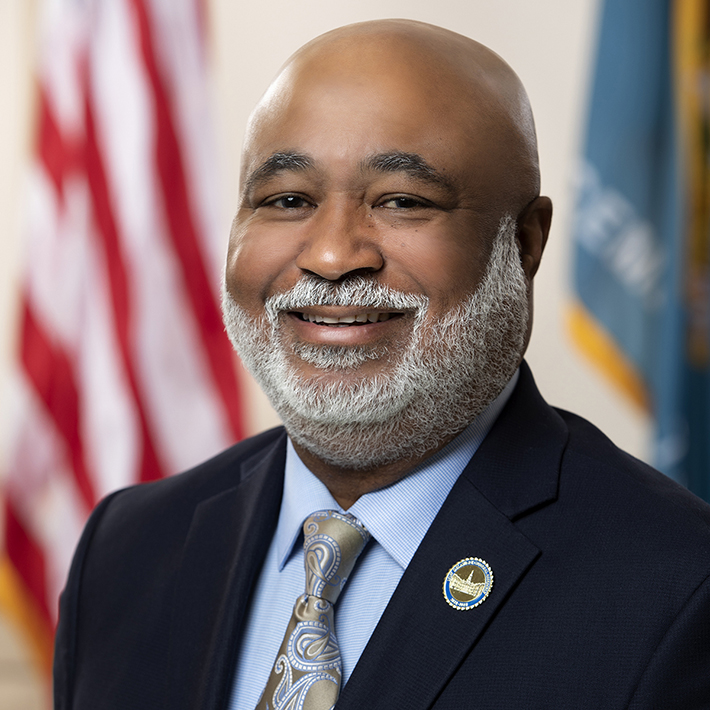
Frank Cooke
DDemocratic
P

Jack Walsh
DDemocratic
P

Kendra Johnson
DDemocratic
P
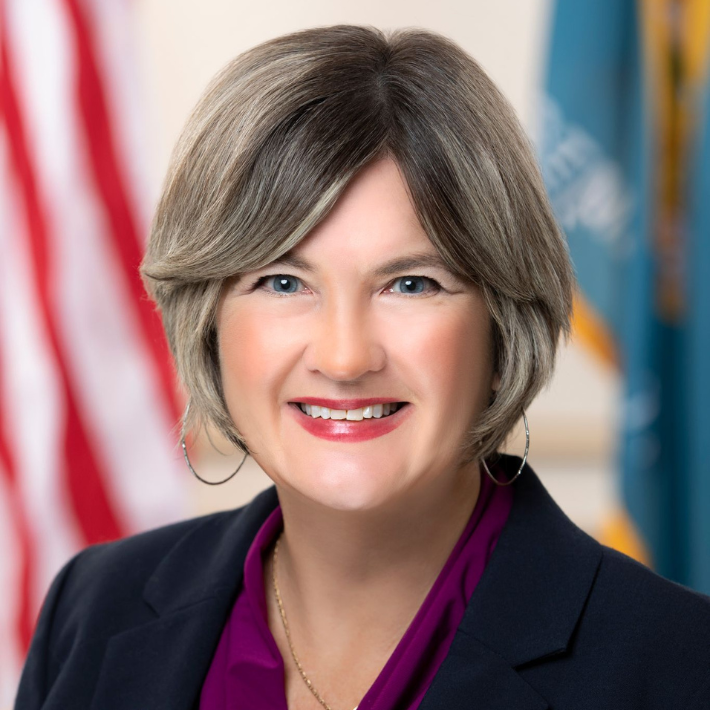
Laura Sturgeon
DDemocratic
P

Marie Pinkney
DDemocratic
P

Pete Schwartzkopf
DDemocratic
P

Sean Matthews
DDemocratic
P

Tizzy Lockman
DDemocratic
P

Trey Paradee
DDemocratic
Ask Maddy
·
AI policy assistant
Ask Maddy about SB 188
Scope: DE
Hi! I can help you understand SB 188. What would you like to know?
Try one of these
i
Maddy answers using official bill text and legislative records. Always verify before sharing.
Sources cited inline