

AN ACT TO AMEND TITLE 18 OF THE DELAWARE CODE RELATING TO LINE-OF-DUTY DEATH BENEFITS.
Summary
First responders, including law enforcement officers, firefighters, emergency medical services (EMS) clinicians, and public safety telecommunicators, are crucial to ensuring public safety and health. First responders are at elevated risk for suicide because of the environments in which they work, their culture, and stress, both occupational and personal. This stress can be associated with a specific incident or an accumulation of day-to-day stress. Occupational stress in first responders is associated with increased risk of mental health issues, including hopelessness, anxiety, depression, post-traumatic stress, as well as suicidal behaviors such as suicidal ideation (thinking about or planning suicide) and attempts. Even during routine shifts, first responders can experience stress due to the uncertainty in each situation. During emergencies, disasters, pandemics, and other crises, stress among first responders can be magnified. Relationship problems have also been linked to a large proportion of suicides among the general population (42%). Because first responders can have challenging work schedules and extreme family-work demands, stress caused by relationship problems may also be magnified in this worker group. Suicide is ranked second for causes of death for law enforcement officers. As of December, 2022, there were 133 law enforcement suicides, and in 2021, there were 160. In November, 2022 alone, there were 9 police officer suicides in this country, including one from Delaware. Law enforcement officers face a 54 percent higher risk of suicide than the general population. An officer involved in a high stress event has a 70% chance of suicide following the next incident if intervention is not sought, but with intervention, the number drops to 3%. Police officers are also at an elevated risk for depression, substance abuse, and post-traumatic stress disorder. Law enforcement officers and firefighters are more likely to die by suicide than in the line of duty. A study of more than 1,000 firefighters found that nearly 50% had suicidal thoughts at some point during their career, and about 16% reported one or more suicide attempts. A survey of EMTs and paramedics in the United States round that 37% had contemplated suicide, and 6.6% had attempted it. EMS providers are 1.39 times more likely to die by suicide than the public. Studies have found that between 17% and 24% of public safety telecommunicators have symptoms of PTSD and 24% have symptoms of depression. A study in Massachusetts found that the suicide rate for corrections officers was at least 7 times higher than the national suicide rate. Another study showed that 10% of corrections officers considered taking their own life, and about 1 in 3 are dealing with PTDS and depression. For the National Guard, there were 117 suicides in 2021 compared to 121 in 2020. This bill makes clear that suicide is a death in the line of duty for Delaware’s first responders, police officers, firefighters, correctional officers and probation officers, and the National Guard.
Bill status
in committee
1 of 4 stages cleared
Introduction
Apr 2023
Committee Review
Floor Vote
Governor
Introduced Apr 28, 2023
Last action May 11, 2023
Floor votes
How they voted
No floor votes recorded yet.
Full legislative history
Actions timeline
Total actions
4
Key actions
1
Committee
1
Amendments
1
May 11, 2023
Introduced
Amendment HA 1 to HB 133 - Introduced and Placed With Bill
lower
May 3, 2023
Introduced
Assigned to Appropriations Committee in House
lower
May 2, 2023
Lower · Passed
Reported Out of Committee (Public Safety & Homeland Security) in House with 1 Favorable, 7 On Its Merits
lower
Apr 28, 2023
Introduced
Introduced and Assigned to Public Safety & Homeland Security Committee in House
lower
13 primary · 0 co-sponsors
Sponsors
Role
Legislator
Party
State
District
P
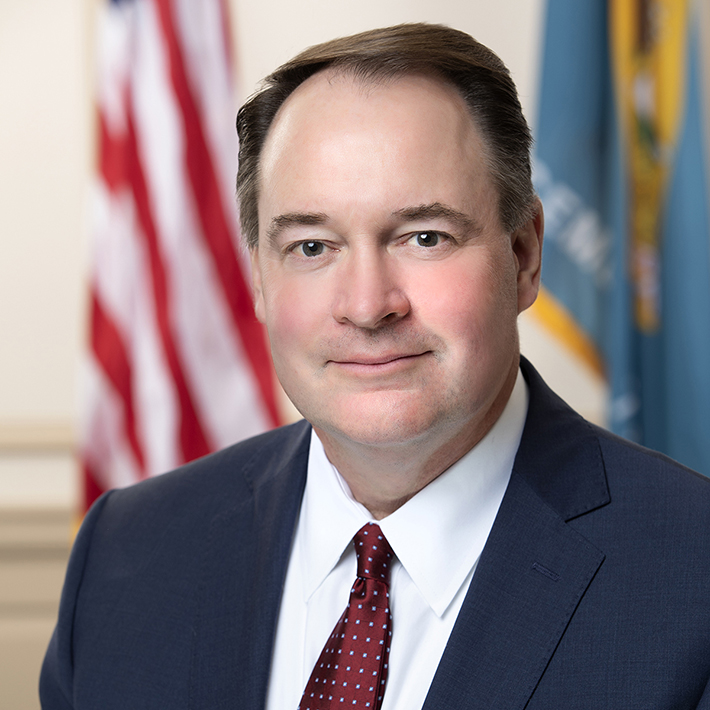
Bill Bush
DDemocratic
P
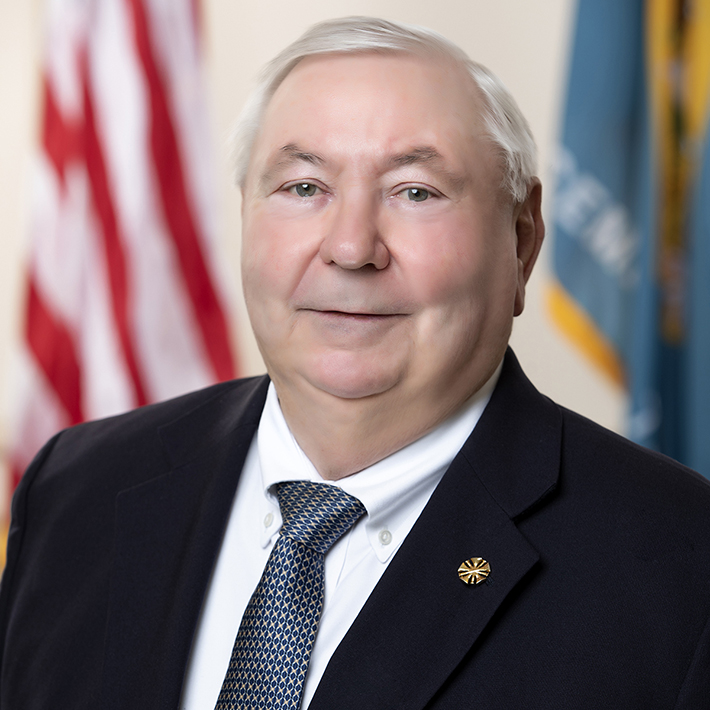
Bill Carson
DDemocratic
P
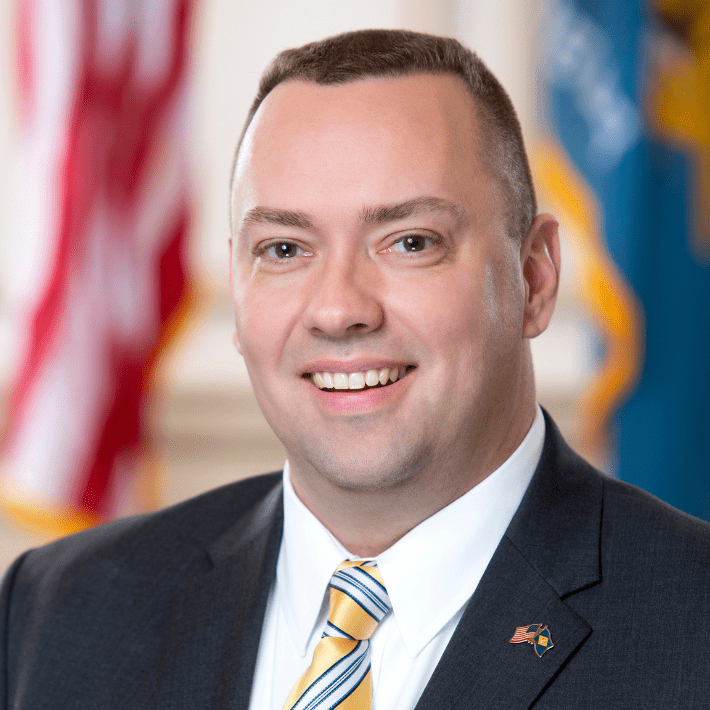
Brian Pettyjohn
RRepublican
P

Danny Short
RRepublican
P
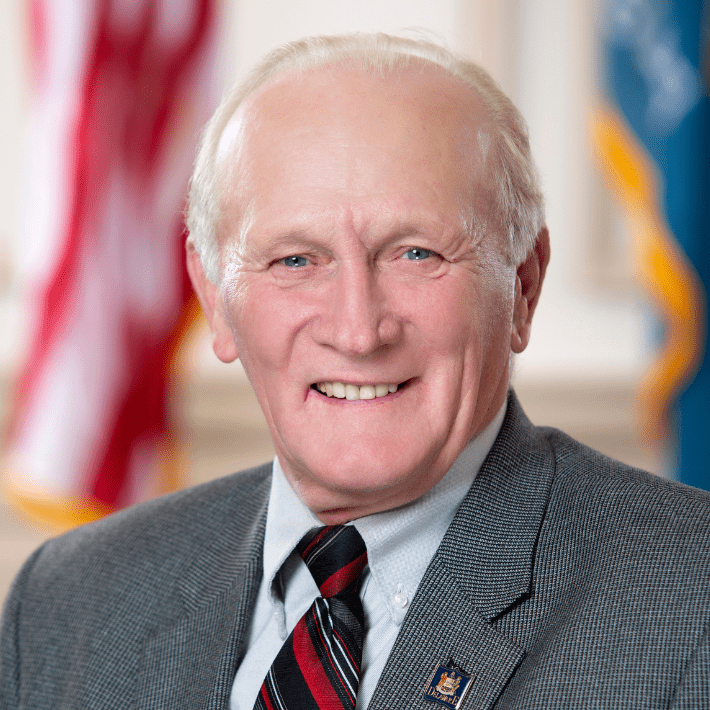
Dave Wilson
RRepublican
P
Ed Osienski
DDemocratic
P

Kendra Johnson
DDemocratic
P

Mike Ramone
RRepublican
P
Mike Smith
RRepublican
P

Sean Lynn
DDemocratic
P

Sherry Dorsey Walker
DDemocratic
P

Spiros Mantzavinos
DDemocratic
P

Val Longhurst
DDemocratic
Ask Maddy
·
AI policy assistant
Ask Maddy about HB 133
Scope: DE
Hi! I can help you understand HB 133. What would you like to know?
Try one of these
i
Maddy answers using official bill text and legislative records. Always verify before sharing.
Sources cited inline