

AN ACT TO AMEND TITLES 4, 11, 16, AND 30 OF THE DELAWARE CODE CREATING THE DELAWARE MARIJUANA CONTROL ACT.
Summary
The Delaware Marijuana Control Act regulates and taxes marijuana in the same manner as alcohol. It allows adults over the age of 21 to legally possess and consume under 1 ounce of marijuana for personal use. It does not permit people to grow their own marijuana. Section 1: Amends Chapter 47 of Title 16 to provide that the offenses and penalties under Uniform Controlled Substances Act do not apply to marijuana-related conduct allowed under the Delaware Marijuana Control Act or the Delaware Medical Marijuana Act, Chapter 49A of Title 16. Section 2: Amends § 4764 of Title 16 to eliminate any penalty for possessing 1 ounce or less of marijuana for individuals over the age of 21 but maintains the existing civil penalty for possession of 1 ounce or less for adults age 18 to 21. Section 3: Amends § 4902A of Title 16 so that the definition of a registered safety compliance facility includes not just marijuana produced for medical use but also marijuana produced under the Delaware Marijuana Control Act. Section 4: Amends § Chapter 4 of Title 4 to expand DATE’s duties and powers to the Delaware Marijuana Control Act. Section 5: This Act creates the Delaware Marijuana Control Act. Subchapter I contains definitions and general provisions. Where definitions or analogous provisions exist in the Delaware Code, the definitions are referenced and the language from existing statutes is used. This section of the Act permits individuals over age 21 to possess, use, purchase, or transport 1 ounce (28 grams) or less of marijuana, no more than 5 grams of which may be concentrated, by individuals 21 years of age or older if the individuals are in compliance with this chapter. It permits the operation of marijuana businesses if they operate under licenses granted under Chapter 49A of Title 16, but imposes the same limits on hours and holiday sales as apply to sales of alcohol. It prohibits the use of marijuana in public, by drivers or passengers in vehicles, and prohibits the smoking of marijuana anywhere that smoking tobacco or ecigarettes is not permitted. Marijuana may not be sold in an establishment licensed to sell alcohol. Employers and some owners of residential housing can prohibit the use of marijuana. There are specific provisions imposing the same penalties as with alcohol sales, for individuals under the age of 21 using false identification to purchase marijuana, and for businesses that fail to verify the age of marijuana consumers. This Act creates the Delaware Marijuana Control Act Oversight Committee. This Oversight Committee will coordinate the implementation of this Act with the Medical Marijuana Program, the Division of Public Health, the Division of Substance Abuse and Mental Health, and the public. The Oversight Committee will review the effectiveness of the Delaware Marijuana Control Act in regard to the safe operation of facilities licensed under this Act, the impact of this Act on public safety, and the impact of this Act on public health. The Commissioner must submit an annual report to the Governor and the members of the General Assembly setting forth all matters of interest and all statistics concerning marijuana regulation and control in the State including: the number of licenses of each variety issued with the State; including the name and address of each person licensed to cultivate, manufacture, or sell marijuana or marijuana products in the State; the amount of marijuana and marijuana products sold within the State; the number of licenses of each kind granted and the number cancelled during the year, and the outcomes and effective of the issuance of social equity licenses. Subchapter II creates the Marijuana Commissioner and Appeals Commission. The Commissioner has the power to establish health and safety regulations for marijuana cultivation that are consistent with applicable rules and regulations established by the Department of Natural Resources and Environmental Control and the Department of Agriculture. The Commissioner must consult with the Division of Alcohol and Tobacco Enforcement before adopting or establishing policies that concern enforcement. Finally, they must coordinate with the Division of Small Business, Development, and Tourism so that potential businesses licensed under this Act have access to programs, particularly those that support small businesses owned by minorities, women, and veterans. Subchapter III sets up the regulations and licenses under the Delaware Marijuana Control Act. The Marijuana Commissioner has the authority to adopt regulations to implement this Act and includes specific requirements that marijuana establishments must meet to obtain licenses. Regulations must require that products containing marijuana use of a symbol and a standard measurement to be used on all marijuana products so they are easily identified as containing marijuana and consumers can identify the amount of marijuana in different products; be in opaque, child-resistant packaging; and contain a warning label explaining evidence-based harms from consuming marijuana, including the impact on developing brains. The regulations must also contain security requirements, testing requirements, advertising restrictions, and require that food products comply with State food safety laws. There are separate licensing requirements for retail marijuana stores, marijuana testing facilities, marijuana cultivation facilities, and marijuana product manufacturing facilities. Licensing requirements also differ between open licenses, social equity licenses, and microbusiness licenses. The application fee is $5,000 for open licenses, $3,000 for microbusiness licenses, social equity licensees and microbusiness licensees. There is a $10,000 biennial fee for most open licenses, with reduced licensing fees for microbusinesses and social equity licenses. Cultivation licenses are determined square footage of the grow rates. As part of the competitive scoring process the Commissioner will use to determine which applicant may obtain licenses to operate each type of marijuana establishment, applicants for open licenses will submit an environmental and sustainability plan, as well as attestations affirming that (1) the applicant has a project labor agreement with a bona fide labor organization, and (2) the applicant has or will utilize a project labor agreement. Subchapter III establishes the criteria for a social equity applicant, requires the Commissioner to develop a financial assistance and technical assistance programming to aid social equity applicants. It also establishes the criteria for a microbusiness license. Subchapter VII provides the Commission the authority to refuse approval of changes in the ownership, officers, or directors, financial interest or lease in connection with any license. The subchapter also details the requirements when there is a change in ownership of a license or licensee, a change in officers and directors, and changes in the financial interest of a license or licensee. Subchapter VIII creates the Marijuana Regulation Fund. This fund will consist of fees collected, penalties imposed, and taxes collected under this Act. It creates the marijuana control enforcement tax on retail marijuana in the amount of 15% that will be appropriated as determined by the General Assembly. Section 6: Creates a State tax deduction for all ordinary and necessary expenses paid or incurred by a marijuana establishment to reflect the inability of a business licensed under this Act to deduct these expenses from federal taxes and thus state taxes. This creates a more level playing field with other businesses. Section 7: Provides that the initial regulations required under this Act be adopted not later than 12 months after the effective date of this Act. Section 8: This section allows for the expungement of prior marijuana related offenses as long as the individual has no convictions for violent felonies. Section 9: Removes possession of marijuana from the list of activities that prohibits a person from at the same time, possessing a handgun.
Bill status
in committee
1 of 4 stages cleared
Introduction
Mar 2021
Committee Review
Floor Vote
Governor
Introduced Mar 18, 2021
Last action Jun 8, 2021
Floor votes
How they voted
No floor votes recorded yet.
Full legislative history
Actions timeline
Total actions
11
Key actions
2
Committee
2
Amendments
7
Jun 8, 2021
Introduced
Amendment HA 8 to HB 150 - Introduced and Placed With Bill
lower
Jun 8, 2021
Introduced
Amendment HA 7 to HB 150 - Introduced and Placed With Bill
lower
Jun 8, 2021
Introduced
Amendment HA 5 to HB 150 - Introduced and Placed With Bill
lower
Jun 8, 2021
Introduced
Amendment HA 4 to HB 150 - Introduced and Placed With Bill
lower
Jun 4, 2021
Lower · Passed
Reported Out of Committee (Appropriations) in House with 3 Favorable, 1 On Its Merits
lower
Jun 3, 2021
Introduced
Amendment HA 3 to HB 150 - Introduced and Placed With Bill
lower
Jun 3, 2021
Introduced
Amendment HA 2 to HB 150 - Introduced and Placed With Bill
lower
Apr 22, 2021
Introduced
Amendment HA 1 to HB 150 - Introduced and Placed With Bill
lower
Mar 25, 2021
Introduced
Assigned to Appropriations Committee in House
lower
Mar 24, 2021
Lower · Passed
Reported Out of Committee (Health & Human Development) in House with 5 Favorable, 3 On Its Merits
lower
Mar 18, 2021
Introduced
Introduced and Assigned to Health & Human Development Committee in House
lower
12 primary · 12 co-sponsors
Sponsors
Role
Legislator
Party
State
District
P
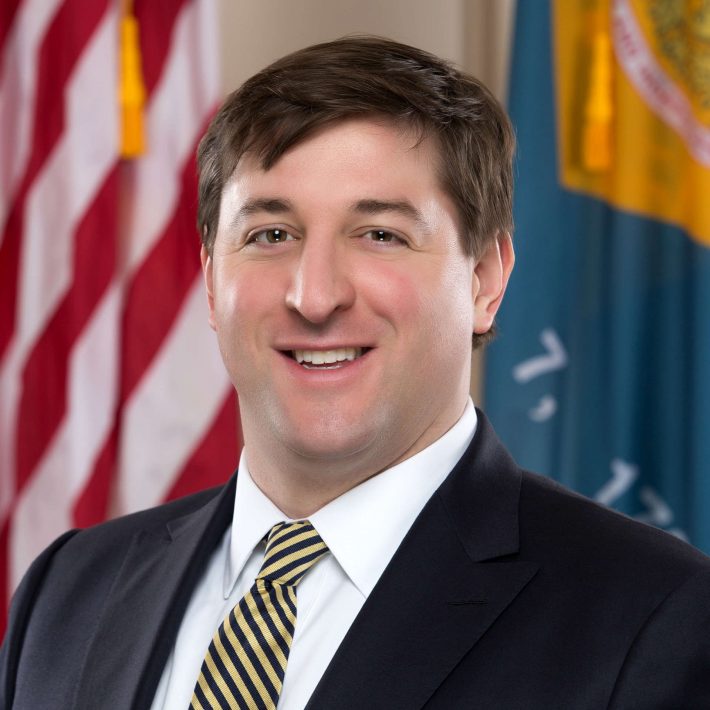
Bryan Townsend
DDemocratic
P
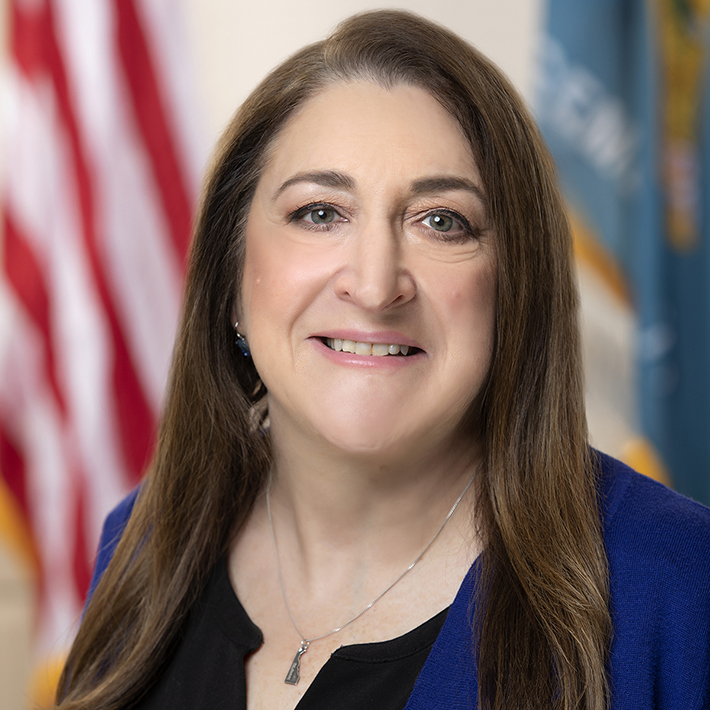
Debra Heffernan
DDemocratic
P
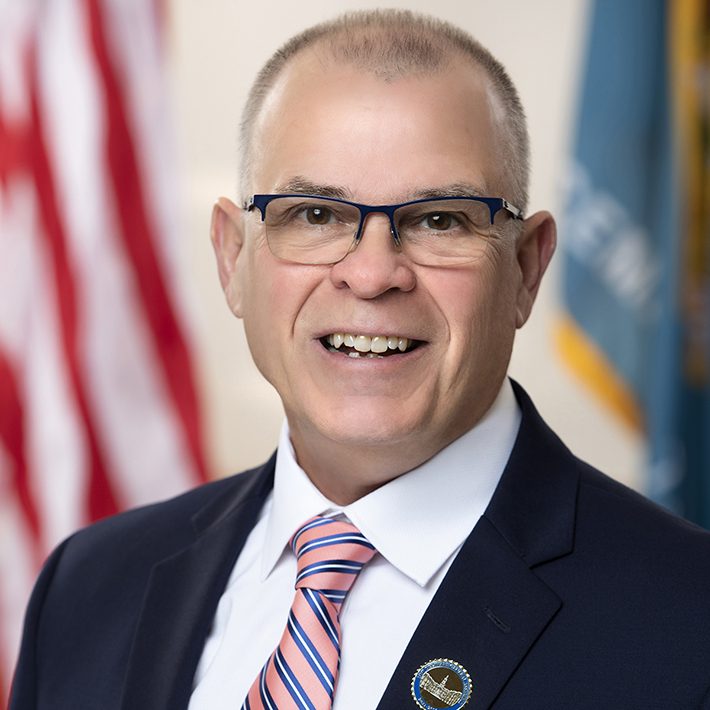
Ed Osienski
DDemocratic
P
GL
Gerald L. Brady
DDemocratic
P
JA
John A. Kowalko
DDemocratic
P

Marie Pinkney
DDemocratic
P

Melissa Minor-Brown
DDemocratic
P
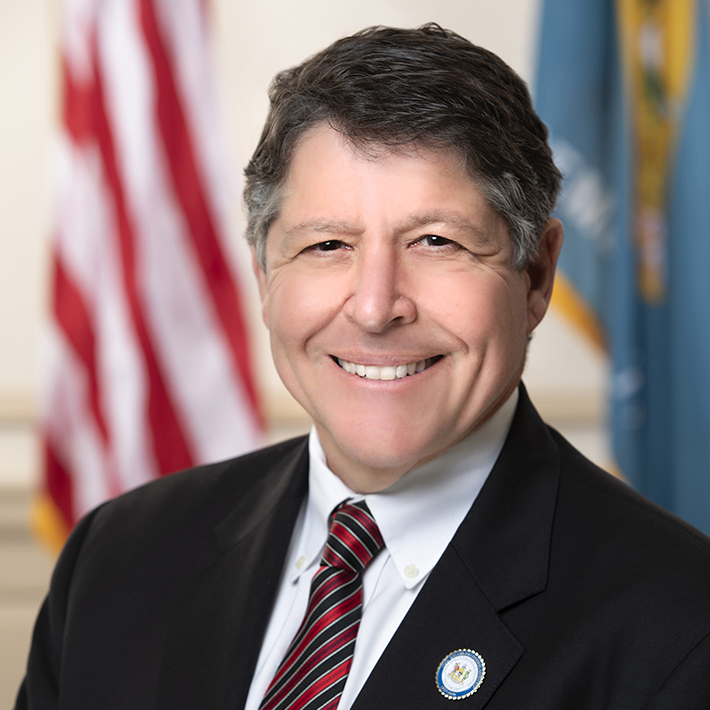
Paul Baumbach
DDemocratic
P

Sean Lynn
DDemocratic
P

Tizzy Lockman
DDemocratic
P
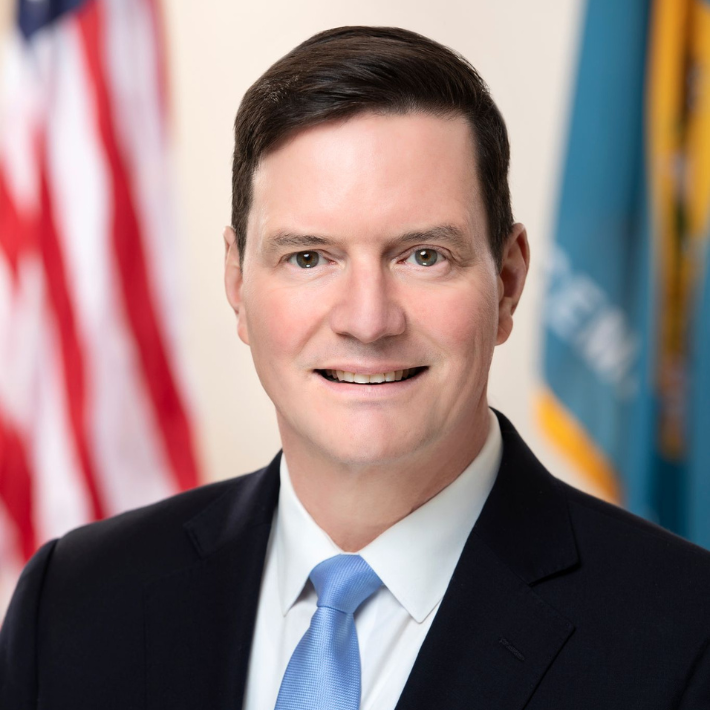
Trey Paradee
DDemocratic
P
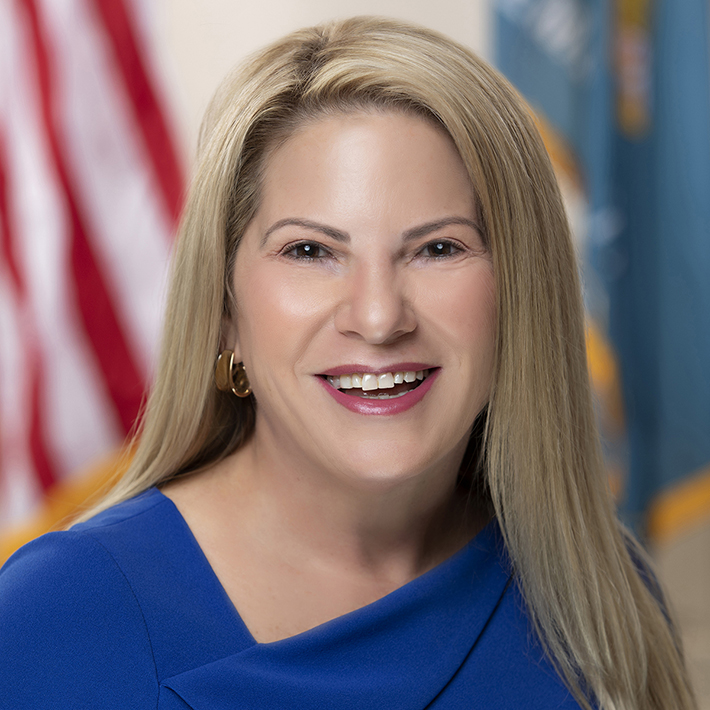
Val Longhurst
DDemocratic
Co

Dave Sokola
DDemocratic
Co
DB
David Bentz
DDemocratic
Co

Eric Morrison
DDemocratic
Co
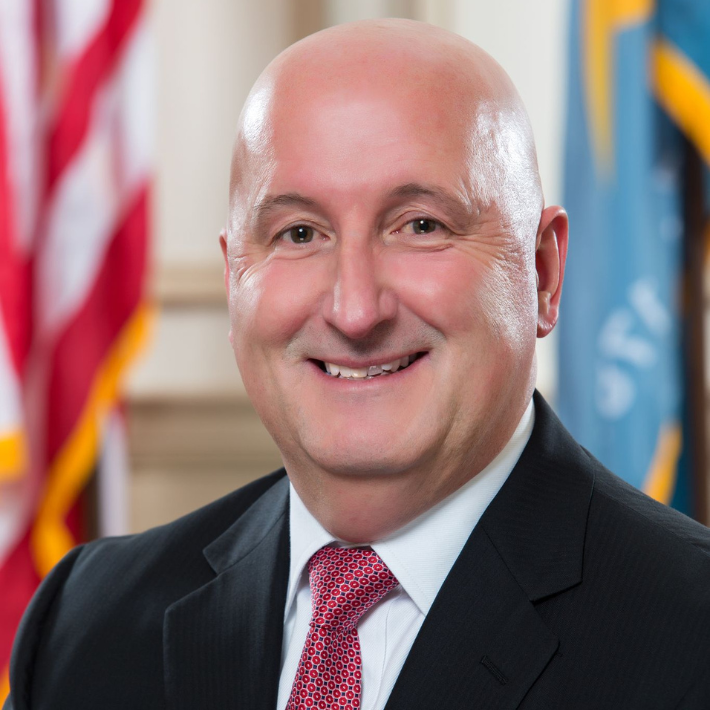
Jack Walsh
DDemocratic
Co
JL
John L. Mitchell
DDemocratic
Co

Kim Williams
DDemocratic
Co
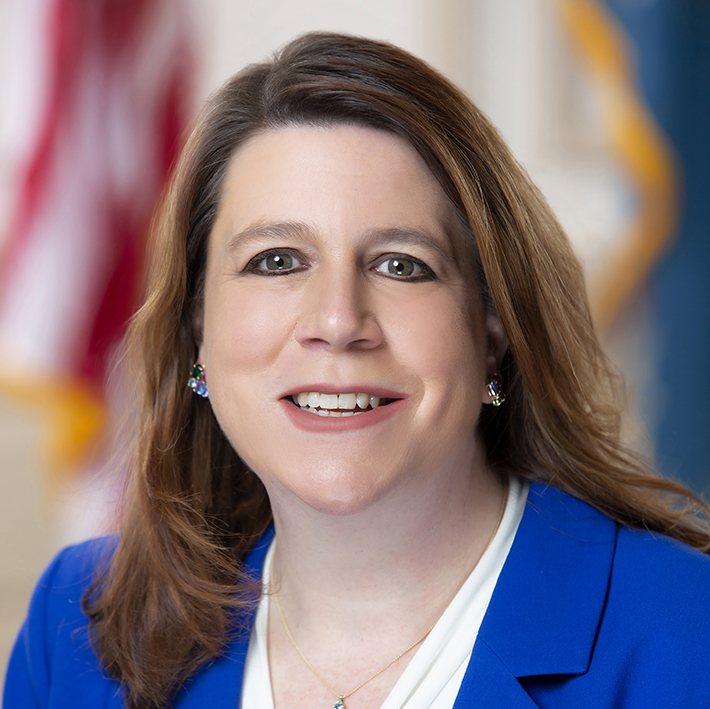
Krista Griffith
DDemocratic
Co

Larry Lambert
DDemocratic
Co
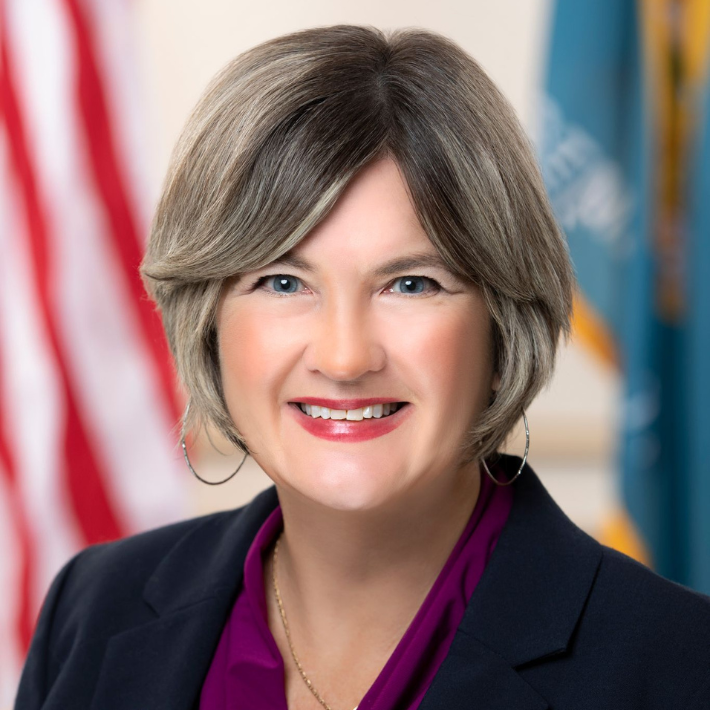
Laura Sturgeon
DDemocratic
Co

Madinah Wilson-Anton
DDemocratic

Ask Maddy
·
AI policy assistant
Ask Maddy about HB 150
Scope: DE
Hi! I can help you understand HB 150. What would you like to know?
Try one of these
i
Maddy answers using official bill text and legislative records. Always verify before sharing.
Sources cited inline