

AN ACT TO AMEND TITLE 10 OF THE DELAWARE CODE RELATING TO JUVENILE PROSECUTION.
Summary
United States Supreme Court case law and scientific research has changed how we think about juvenile delinquency. We know now that an adolescent’s brain is not fully developed until the mid-twenties which makes juveniles especially prone to poor decision-making. In the landmark case of Miller v. Alabama, in which the United States Supreme Court prohibited mandatory life sentences without parole for juveniles on the rationale that children are inherently different than adults, the Court relied not only scientific research but on common sense and what any parent knows: kids will be kids. Children in Delaware have minimum ages set for many things: getting a driver’s license, enlisting in the military, applying for a loan or opening a credit card, using a tanning bed, drinking alcohol, and buying tickets to an R-rated movie. This legislation sets a minimum age at which a child may be prosecuted, except for the most extreme offenses. This Bill prohibits the prosecution of children under the age of 12. It also bars the transfer of juvenile prosecution to the Superior Court unless the child is aged 16 or older. The exception to the prohibition on prosecuting children under 12 and transfer to Superior Court for children under 16, is only for the most serious of charges: murder in the first degree, murder in the second degree, rape in the first and rape in the second degree or accused of using, displaying, or discharging a firearm during the commission of a Title 11 or a Title 31 violent felony set forth in § 4201(c) of Title 11. However, the bill allows for the prosecution of children under 12 for title 11 violent felonies and misdemeanor crimes of violence until January 1, 2022, when prosecution of such children will expire and thereafter children under the age of 12 who are suspected of committing a Title 11 violent felony or misdemeanor violent felony will be referred to the Juvenile Offender Civil Citation Program.
Bill status
signed
all 5 stages cleared
Introduction
Mar 2021
Committee Review
Jun 2021
House Passage
Jun 2021
Senate Passage
Jun 2021
Signed into Law
Nov 2021
Introduced Mar 16, 2021
Signed Nov 8, 2021
Floor votes · Senate Jun 29, 2021 · House Jun 17, 2021
How they voted
20–0
Passed
Total votes 20
Jun 29, 2021
D
Democratic13
100% Yea
R
Republican7
100% Yea
Vote distribution
All Yea
All Nay
Mixed
No data
Full legislative history
Actions timeline
Total actions
7
Key actions
5
Committee
2
Nov 8, 2021
Signed into law
Signed by Governor
executive
Jun 29, 2021
Upper · Passed
Passed By Senate. Votes: 21 YES
upper
Jun 23, 2021
Upper · Passed
Reported Out of Committee (Judiciary) in Senate with 3 Favorable, 2 On Its Merits
upper
Jun 17, 2021
Introduced
Assigned to Judiciary Committee in Senate
upper
Jun 17, 2021
Lower · Passed
Passed By House. Votes: 40 YES 1 ABSENT
lower
Mar 23, 2021
Lower · Passed
Reported Out of Committee (Judiciary) in House with 4 Favorable, 5 On Its Merits
lower
Mar 16, 2021
Introduced
Introduced and Assigned to Judiciary Committee in House
lower
5 primary · 12 co-sponsors
Sponsors
Role
Legislator
Party
State
District
P
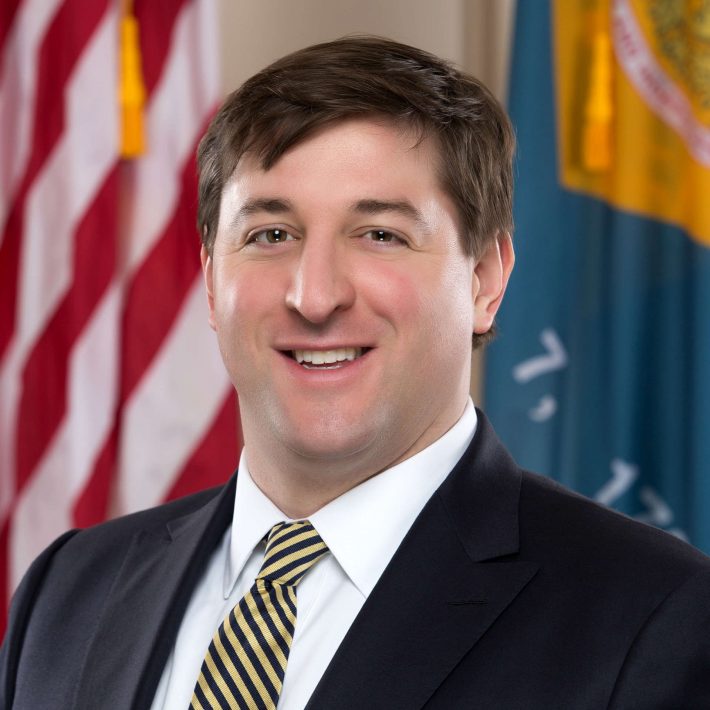
Bryan Townsend
DDemocratic
P

Darius Brown
DDemocratic
P
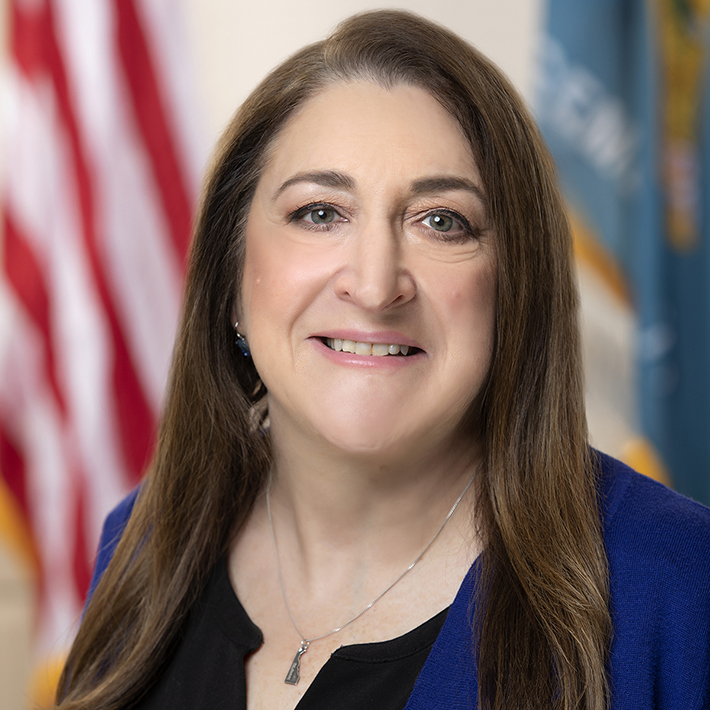
Debra Heffernan
DDemocratic
P
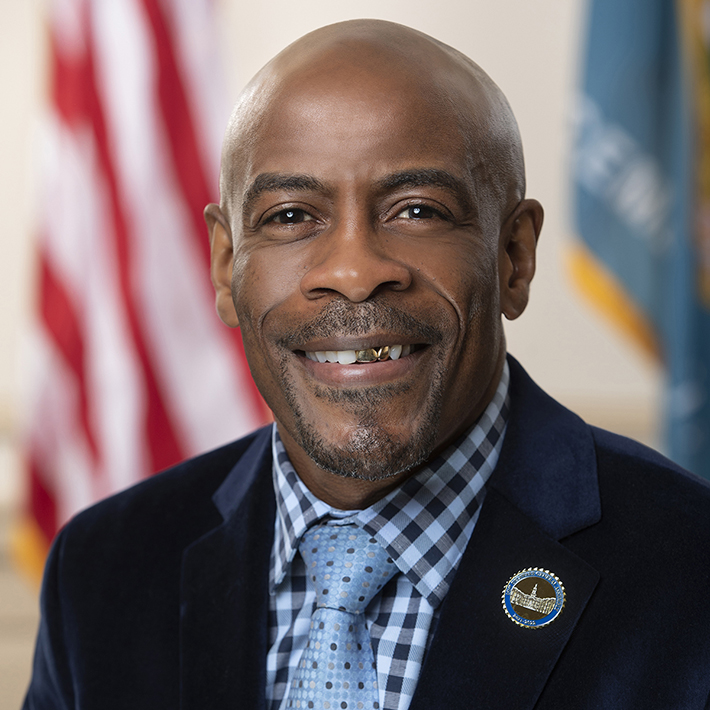
Nnamdi Chukwuocha
DDemocratic
P
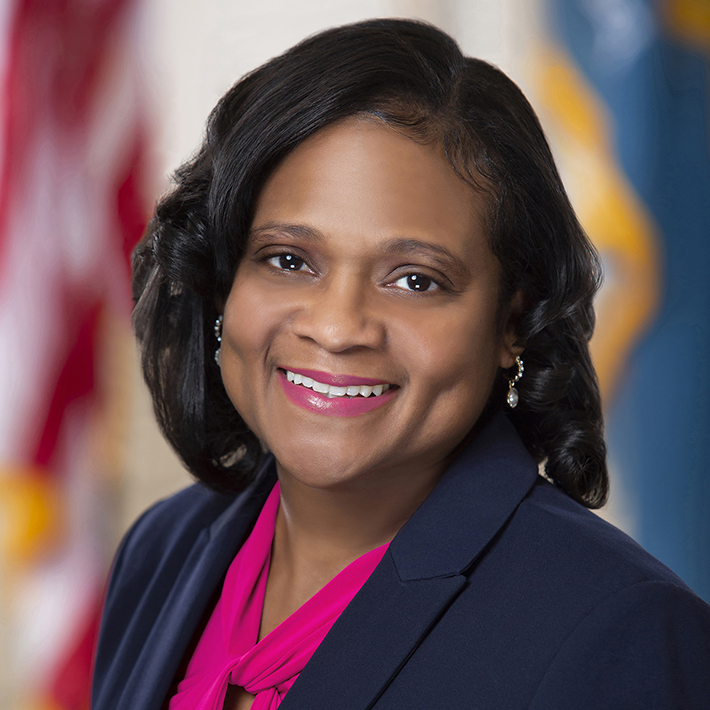
Sherry Dorsey Walker
DDemocratic
Co

Dave Sokola
DDemocratic
Co
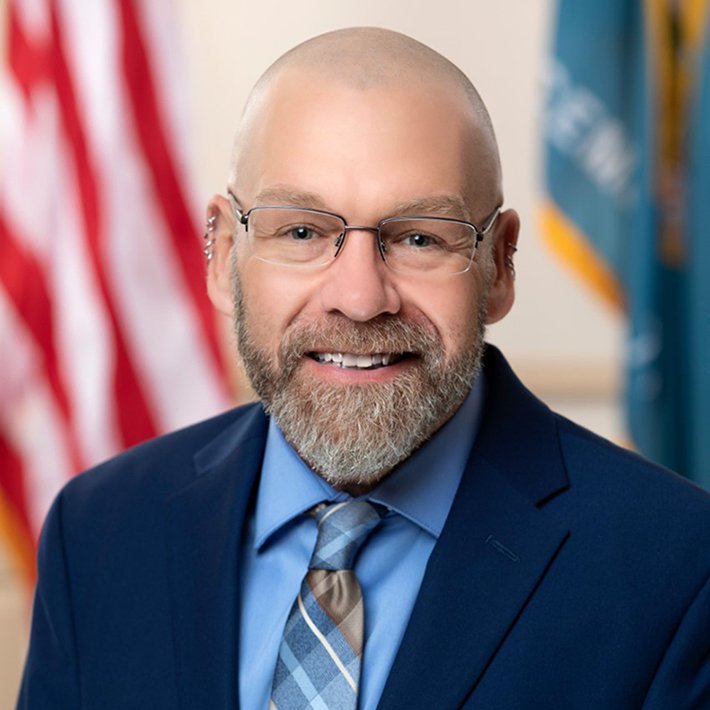
Eric Morrison
DDemocratic
Co
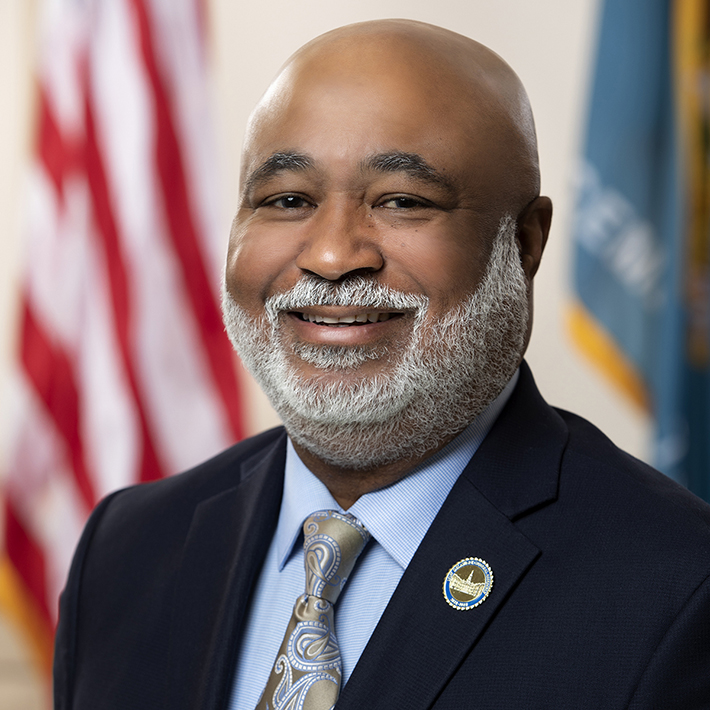
Frank Cooke
DDemocratic
Co
JA
John A. Kowalko
DDemocratic
Co
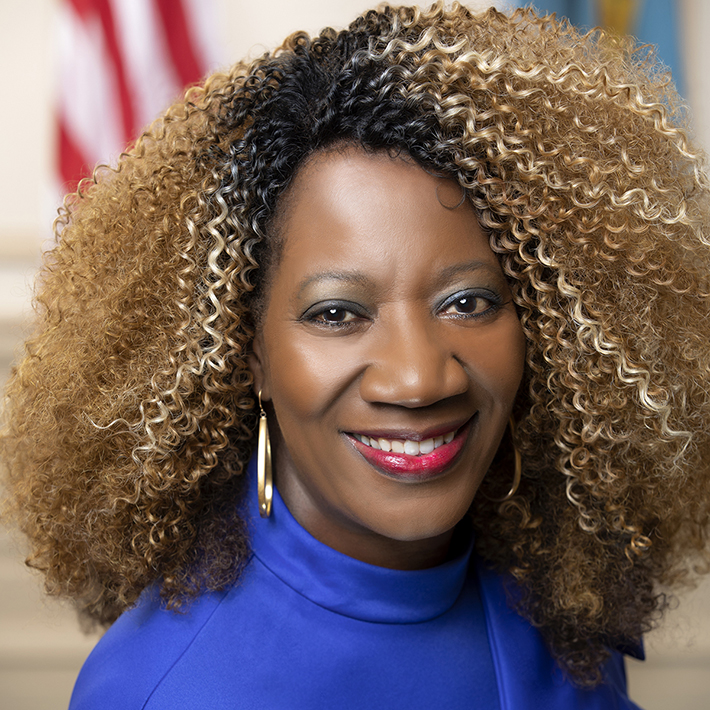
Kendra Johnson
DDemocratic
Co
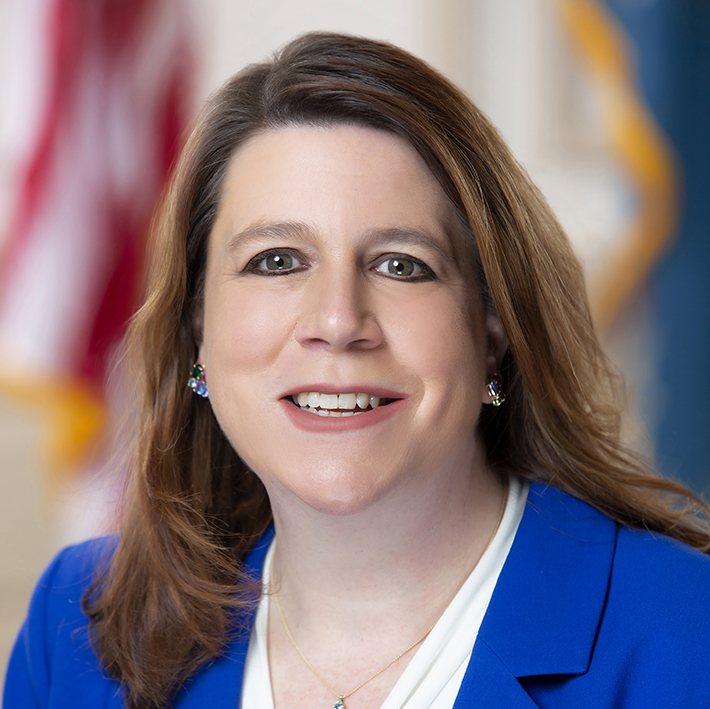
Krista Griffith
DDemocratic
Co
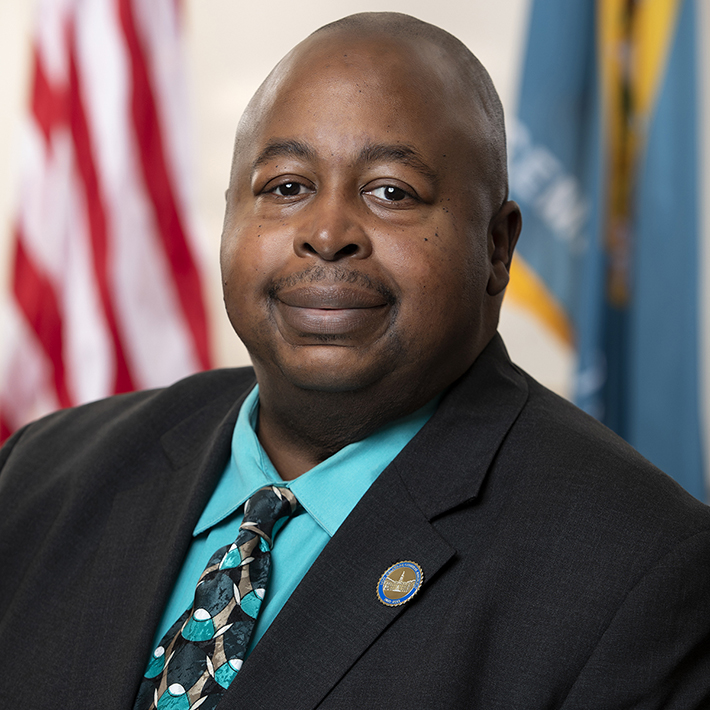
Larry Lambert
DDemocratic
Co

Madinah Wilson-Anton
DDemocratic
Co
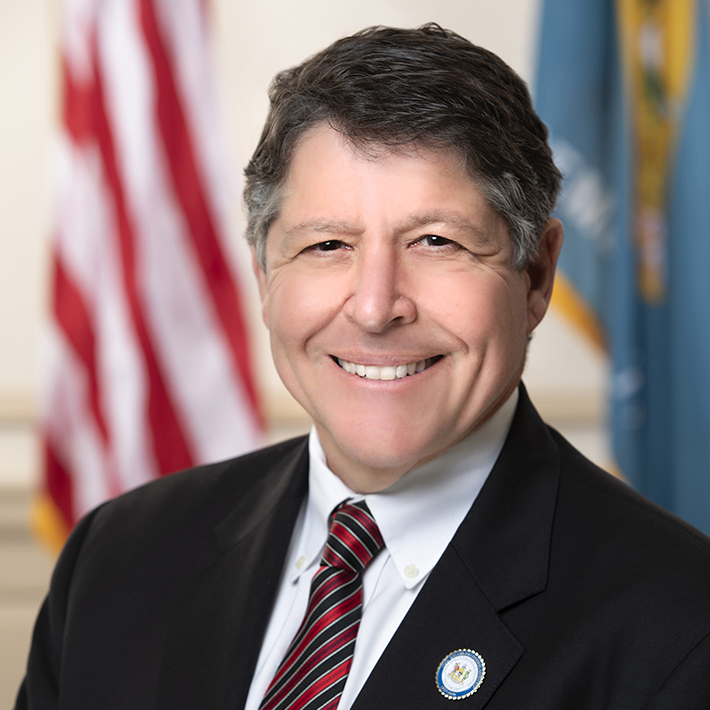
Paul Baumbach
DDemocratic
Co

Sean Lynn
DDemocratic
Ask Maddy
·
AI policy assistant
Ask Maddy about HB 115
Scope: DE
Hi! I can help you understand HB 115. What would you like to know?
Try one of these
i
Maddy answers using official bill text and legislative records. Always verify before sharing.
Sources cited inline